
Why Grocery Shopping Feels More Exhausting Than It Used To

A quick visit to the supermarket used to feel straightforward. Today, many people return home mentally exhausted after buying only a few household items. Surprisingly, the problem is not always rising prices or crowded aisles.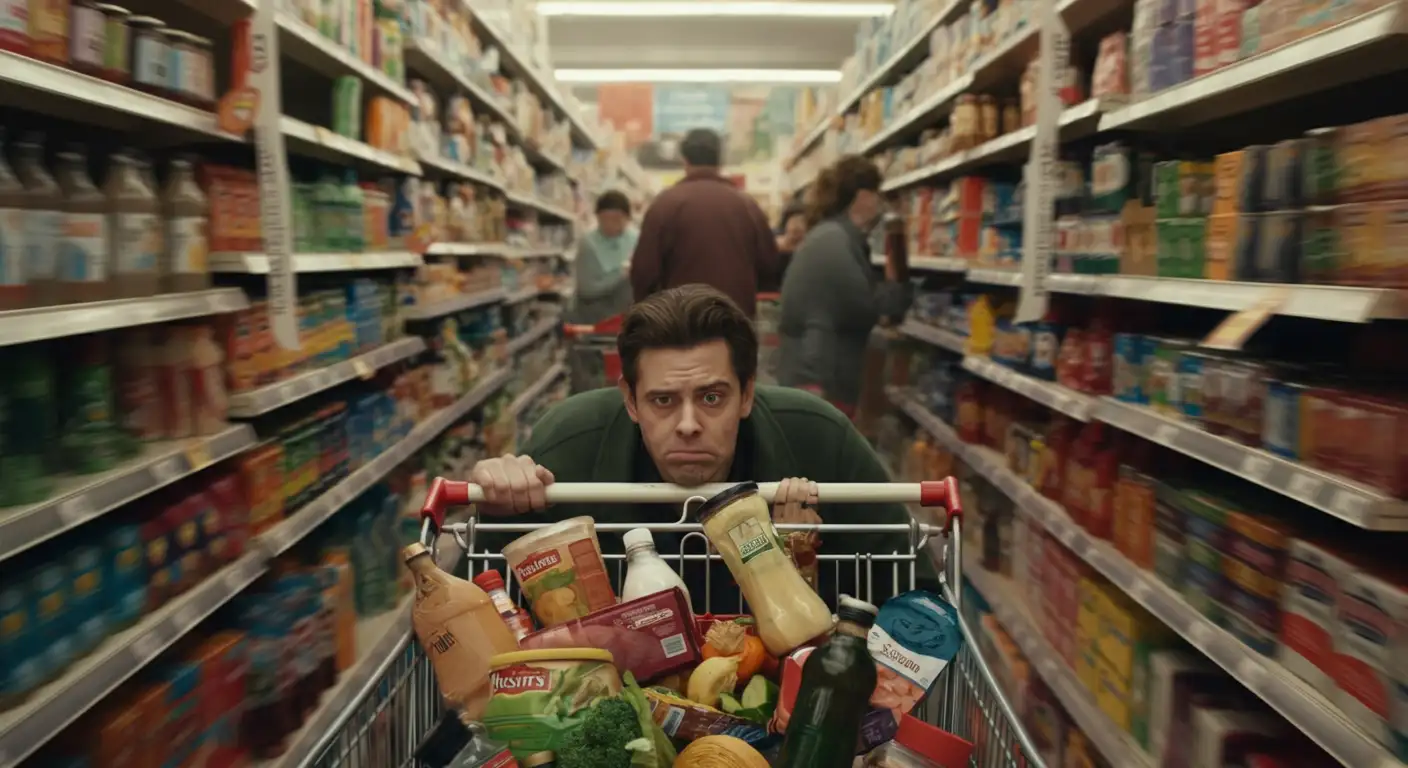
Modern grocery shopping has quietly become a mentally demanding experience because consumers now face constant decision making at every step.
Psychologists often refer to this as decision fatigue. The brain becomes tired when forced to make repeated choices within a short period.
Even small decisions consume mental energy. By the time shoppers reach the checkout counter, many feel surprisingly drained without understanding why.
People often worry whether they are spending wisely or missing a better offer elsewhere.
This mental pressure becomes stronger during periods of inflation when household budgets feel tighter.
While these strategies may encourage spending, they can also create sensory overload, particularly for people already tired after work.
Many shoppers now prefer smaller local stores simply because the experience feels calmer and less overwhelming.
Digital shopping allows consumers to search directly for what they need instead of navigating hundreds of visual distractions.
However, online shopping brings its own problems, including impulse purchases triggered by recommendations and advertisements.
Shopping during quieter hours can also reduce stress levels. Some people even choose smaller baskets instead of large trolleys to avoid overbuying.
Daily life is filled with invisible mental tasks people rarely notice. Grocery shopping may appear ordinary, yet the modern retail environment places far more pressure on the brain than many realise.
Modern grocery shopping has quietly become a mentally demanding experience because consumers now face constant decision making at every step.
Too Many Choices Create Mental Fatigue
Walk into any supermarket and compare the shelves to those from twenty years ago. A simple product like yoghurt may now appear in dozens of flavours, sugar levels, protein variations, and packaging styles.Psychologists often refer to this as decision fatigue. The brain becomes tired when forced to make repeated choices within a short period.
Even small decisions consume mental energy. By the time shoppers reach the checkout counter, many feel surprisingly drained without understanding why.
Pricing Tricks Add More Pressure
Modern pricing strategies also increase stress levels. Multi buy offers, loyalty discounts, app based deals, and limited time promotions require shoppers to constantly calculate value while moving through crowded spaces.People often worry whether they are spending wisely or missing a better offer elsewhere.
This mental pressure becomes stronger during periods of inflation when household budgets feel tighter.
Bright Lights and Constant Noise Matter Too
Most supermarkets are intentionally designed to keep shoppers alert and engaged. Bright lighting, promotional displays, music, announcements, and crowded visual layouts constantly compete for attention.While these strategies may encourage spending, they can also create sensory overload, particularly for people already tired after work.
Many shoppers now prefer smaller local stores simply because the experience feels calmer and less overwhelming.
Why Online Shopping Is Growing So Quickly
The rise of grocery delivery services partly reflects this mental exhaustion. Many people are not only saving time by shopping online. They are also reducing cognitive overload.Digital shopping allows consumers to search directly for what they need instead of navigating hundreds of visual distractions.
However, online shopping brings its own problems, including impulse purchases triggered by recommendations and advertisements.
Making Grocery Trips Easier
Simple habits can reduce shopping fatigue significantly. Creating a short list before leaving home helps minimise unnecessary decisions.Shopping during quieter hours can also reduce stress levels. Some people even choose smaller baskets instead of large trolleys to avoid overbuying.
Daily life is filled with invisible mental tasks people rarely notice. Grocery shopping may appear ordinary, yet the modern retail environment places far more pressure on the brain than many realise.
Next Story