
Why Mountain Air Makes Food and Tea Taste Different

When you climb to higher elevations, atmospheric pressure drops significantly. This drop directly alters how water boils, which is fundamental when preparing hot drinks and cooked meals. At sea level, water boils at 100 degrees Celsius, but in high mountain areas, it reaches a boil at much lower temperatures. Because the water cannot get as hot, brewing tea in mountain air leaves delicate leaves steeping in cooler liquid. This lower temperature extracts fewer bitter tannins from tea leaves, resulting in a noticeably smoother, sweeter cuppa with less astringency. However, cooking solid food like potatoes or beans takes longer because the lower boiling point delivers less heat energy to raw ingredients.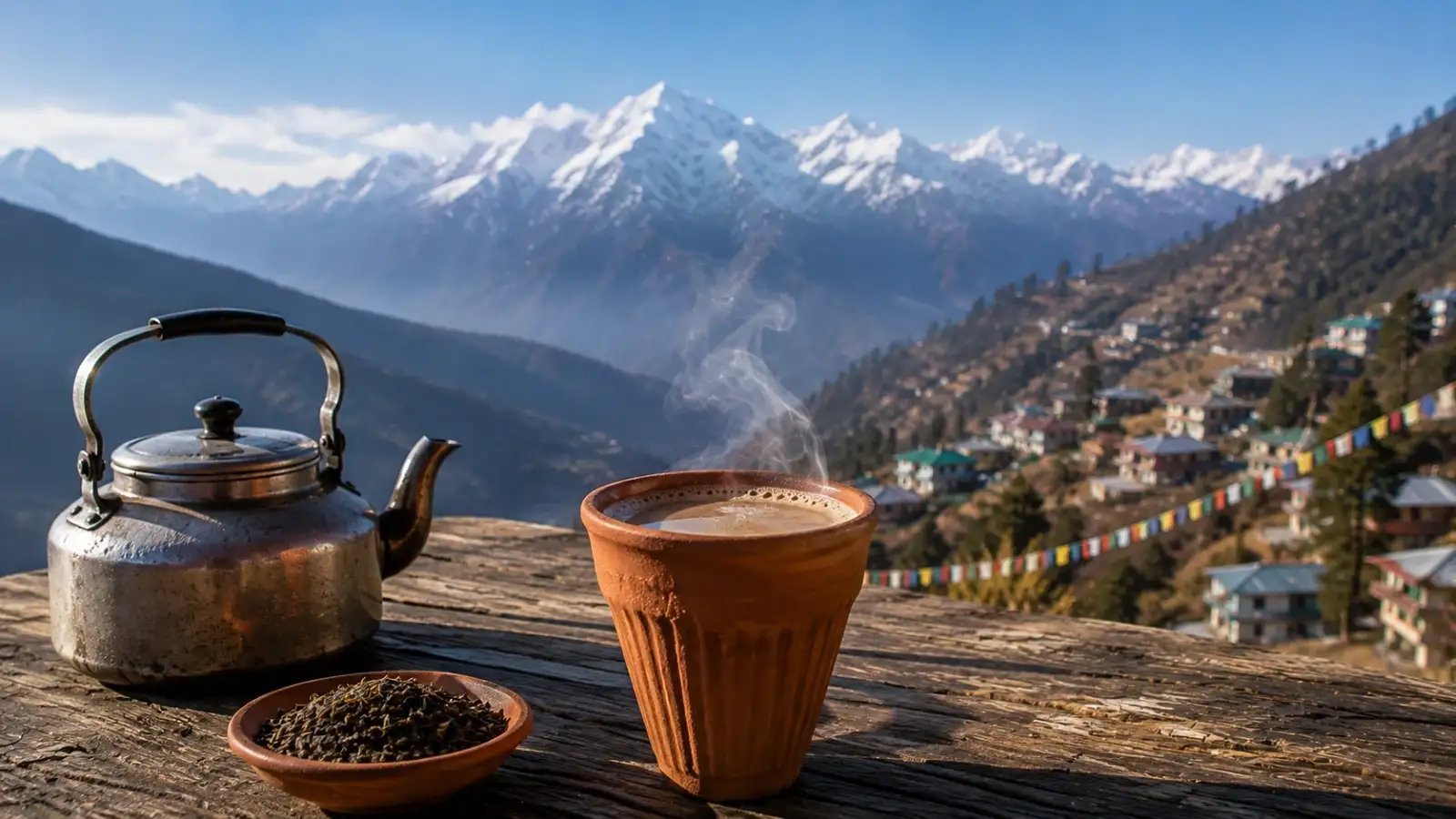
Dry Air Desensitises Your Olfactory System and Senses
Flavour perception depends heavily on your ability to smell aromas alongside tasting basic sensations on your tongue. Thin mountain air tends to be much drier, which dries out the delicate mucous membranes in your nasal passages. As humidity levels plummet high above sea level, your olfactory receptors become less sensitive to subtle smells. Because scent accounts for a huge portion of how you perceive flavor, meals eaten outdoors in high mountain regions can seem milder or less complex than they would in humid lowland environments.
Reduced Sensitivity to Sweetness and Saltiness
Research into high altitude environments shows that low atmospheric pressure changes how human tastebuds react to basic flavours. Human sensitivity to salty and sweet profiles drops by up to thirty percent at high elevations. This drop means that soups, baked items and sweet treats often taste less intense unless chefs increase the amount of seasoning. Interestingly, sour and bitter tastes, along with savoury umami notes, remain relatively unaffected by high mountain conditions. This shift makes rich, savoury stews taste far more prominent and satisfying when dining at elevated heights.
How High Altitude Changes Tea Leaf Chemistry
The environment in which tea plants grow in high elevation regions plays a major role in how the final drink tastes. Tea grown on high mountain slopes experiences cooler weather, intense sunlight during the day and sharp temperature drops at night. These harsh conditions slow plant growth, allowing the leaves to accumulate a much higher concentration of natural sugars, essential oils and aromatic amino acids. When you brew leaves cultivated in high mountain climates, you enjoy a naturally complex drink packed with sweet, floral aromas that cannot be matched by low altitude crops.
Appetite Changes and Physical Factors in High Altitude Environments
Your body undergoes physiological changes when adjusting to thin air, which alters how much you enjoy food. High mountain conditions often suppress appetite hormones while increasing your metabolic rate as your lungs work harder to capture oxygen. Appetite loss combined with cooler weather makes warm, aromatic liquids like spiced tea or steaming broths feel immensely comforting. The physical setting, cold winds and breathtaking scenery elevate simple meals into memorable experiences, showing how geography, human physiology and climate work together to transform everyday flavours.
Dry Air Desensitises Your Olfactory System and Senses
Flavour perception depends heavily on your ability to smell aromas alongside tasting basic sensations on your tongue. Thin mountain air tends to be much drier, which dries out the delicate mucous membranes in your nasal passages. As humidity levels plummet high above sea level, your olfactory receptors become less sensitive to subtle smells. Because scent accounts for a huge portion of how you perceive flavor, meals eaten outdoors in high mountain regions can seem milder or less complex than they would in humid lowland environments.
You may also like
- Peanuts With or Without Skin: Which Is Healthier and What Is the Best Way to Eat Them?
- 'This is my tiny house, though it looks straight out of a postcard, I live here': Woman reveals the issues she is facing living in a 'picture-perfect' house
- Why do Kodagu brides wear their saree backwards? The fascinating story behind their iconic drape
- Your child seems distracted while studying? These overlooked vision problems could be making reading and learning harder
- Why Zurich deserves more than a layover
Reduced Sensitivity to Sweetness and Saltiness
Research into high altitude environments shows that low atmospheric pressure changes how human tastebuds react to basic flavours. Human sensitivity to salty and sweet profiles drops by up to thirty percent at high elevations. This drop means that soups, baked items and sweet treats often taste less intense unless chefs increase the amount of seasoning. Interestingly, sour and bitter tastes, along with savoury umami notes, remain relatively unaffected by high mountain conditions. This shift makes rich, savoury stews taste far more prominent and satisfying when dining at elevated heights.
How High Altitude Changes Tea Leaf Chemistry
The environment in which tea plants grow in high elevation regions plays a major role in how the final drink tastes. Tea grown on high mountain slopes experiences cooler weather, intense sunlight during the day and sharp temperature drops at night. These harsh conditions slow plant growth, allowing the leaves to accumulate a much higher concentration of natural sugars, essential oils and aromatic amino acids. When you brew leaves cultivated in high mountain climates, you enjoy a naturally complex drink packed with sweet, floral aromas that cannot be matched by low altitude crops.
Appetite Changes and Physical Factors in High Altitude Environments
Your body undergoes physiological changes when adjusting to thin air, which alters how much you enjoy food. High mountain conditions often suppress appetite hormones while increasing your metabolic rate as your lungs work harder to capture oxygen. Appetite loss combined with cooler weather makes warm, aromatic liquids like spiced tea or steaming broths feel immensely comforting. The physical setting, cold winds and breathtaking scenery elevate simple meals into memorable experiences, showing how geography, human physiology and climate work together to transform everyday flavours.






Loving Newspoint? Download the app now
