
Why Natural Fabrics Are Becoming Popular Again in Everyday Fashion

Natural fabrics are having another moment in fashion, but this is not simply a trend driven by nostalgia. Cotton, linen, silk, wool, khadi and other natural fibres have qualities that remain relevant in everyday clothing, particularly in a country with India's varied climate. Indian handloom traditions have long relied on natural fibres, including cotton, silk, wool, flax, jute and others. Government research on Indian handloom also highlights the connection between natural fibres, regional production and lower environmental impact compared with many synthetic alternatives. As shoppers become more interested in comfort, material and longevity, these old-fashioned fabrics are finding new relevance.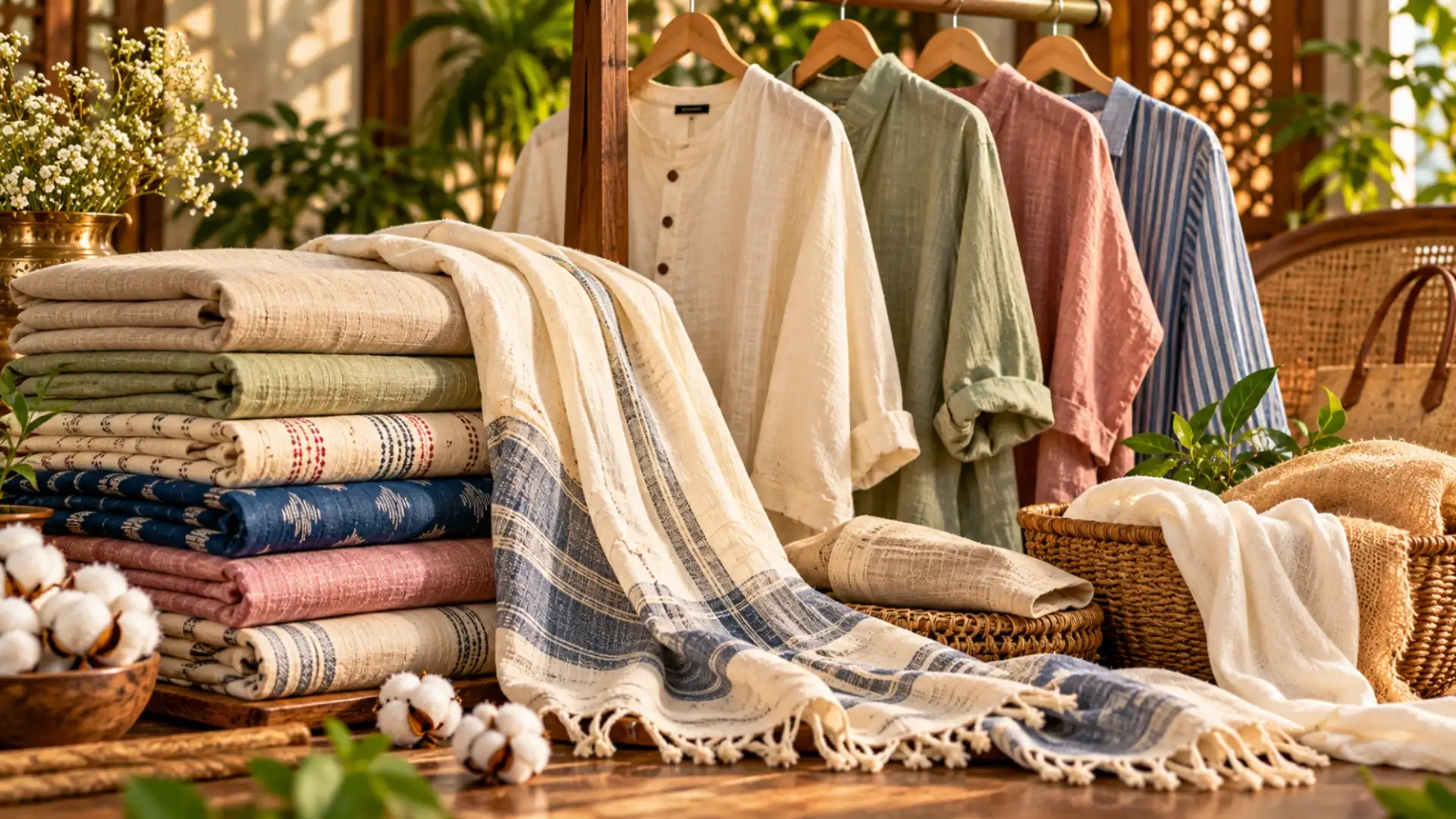
Cotton remains popular because of its familiar softness and suitability for warm conditions. Linen is valued for its lightness and characteristic texture, while wool provides warmth in colder climates.
The choice often comes down to how a fabric behaves rather than how fashionable its label sounds.
This is one reason breathable cotton and lightweight handloom fabrics remain relevant in Indian wardrobes.
Khadi, for example, is traditionally made using hand-spun yarn and handwoven fabric. Its texture and breathability have helped it retain a practical role beyond its historical symbolism.
Natural fibres are renewable or biodegradable in ways many synthetic fibres are not, but the environmental impact of any garment depends on how the fibre is grown, processed, dyed, transported and eventually discarded.
The Ministry of Textiles notes that handloom production can involve locally sourced natural materials and comparatively low power consumption.
So, buying natural fabric is not by itself a complete sustainability strategy.
A handwoven cotton may have slight variations in its surface. Linen develops a particular softness with wear. Khadi has an identifiable texture created by its yarn and weaving process.
These characteristics make clothing feel less uniform.
At the same time, designers are reworking traditional textiles into contemporary silhouettes, helping fabrics that were once considered formal or old-fashioned fit modern wardrobes. Banarasi, for instance, is now being adapted into separates and unconventional constructions.
The interesting point is that natural fabrics do not really need to be rediscovered. They have been here all along. What is changing is the way modern fashion is learning to use them again.
Comfort Is a Major Reason
Natural fabrics can feel different against the skin.Cotton remains popular because of its familiar softness and suitability for warm conditions. Linen is valued for its lightness and characteristic texture, while wool provides warmth in colder climates.
The choice often comes down to how a fabric behaves rather than how fashionable its label sounds.
Indian Climate Makes Fabric Choice Important
A beautiful garment can still be uncomfortable if the fabric is unsuitable for the weather.This is one reason breathable cotton and lightweight handloom fabrics remain relevant in Indian wardrobes.
Khadi, for example, is traditionally made using hand-spun yarn and handwoven fabric. Its texture and breathability have helped it retain a practical role beyond its historical symbolism.
Natural Does Not Automatically Mean Sustainable
This is an important distinction.Natural fibres are renewable or biodegradable in ways many synthetic fibres are not, but the environmental impact of any garment depends on how the fibre is grown, processed, dyed, transported and eventually discarded.
The Ministry of Textiles notes that handloom production can involve locally sourced natural materials and comparatively low power consumption.
So, buying natural fabric is not by itself a complete sustainability strategy.
Why Texture Is Becoming Part of the Appeal
Modern shoppers are also becoming more interested in fabrics that look and feel distinctive.A handwoven cotton may have slight variations in its surface. Linen develops a particular softness with wear. Khadi has an identifiable texture created by its yarn and weaving process.
These characteristics make clothing feel less uniform.
The Return Is More Than a Fashion Cycle
Natural fabrics are increasingly being used in everyday shirts, dresses, trousers, kurtas and relaxed tailoring.At the same time, designers are reworking traditional textiles into contemporary silhouettes, helping fabrics that were once considered formal or old-fashioned fit modern wardrobes. Banarasi, for instance, is now being adapted into separates and unconventional constructions.
The interesting point is that natural fabrics do not really need to be rediscovered. They have been here all along. What is changing is the way modern fashion is learning to use them again.
Next Story