
Why Neem and Jaggery Are Eaten on Gudi Padwa: Health, Tradition & Seasonal Detox

As the Hindu New Year begins, many Indian households mark Gudi Padwa with a simple yet meaningful practice: eating a mixture of neem leaves and jaggery. While it may appear symbolic at first, this bitter-sweet combination is deeply connected to seasonal health, nutrition, and age-old tradition.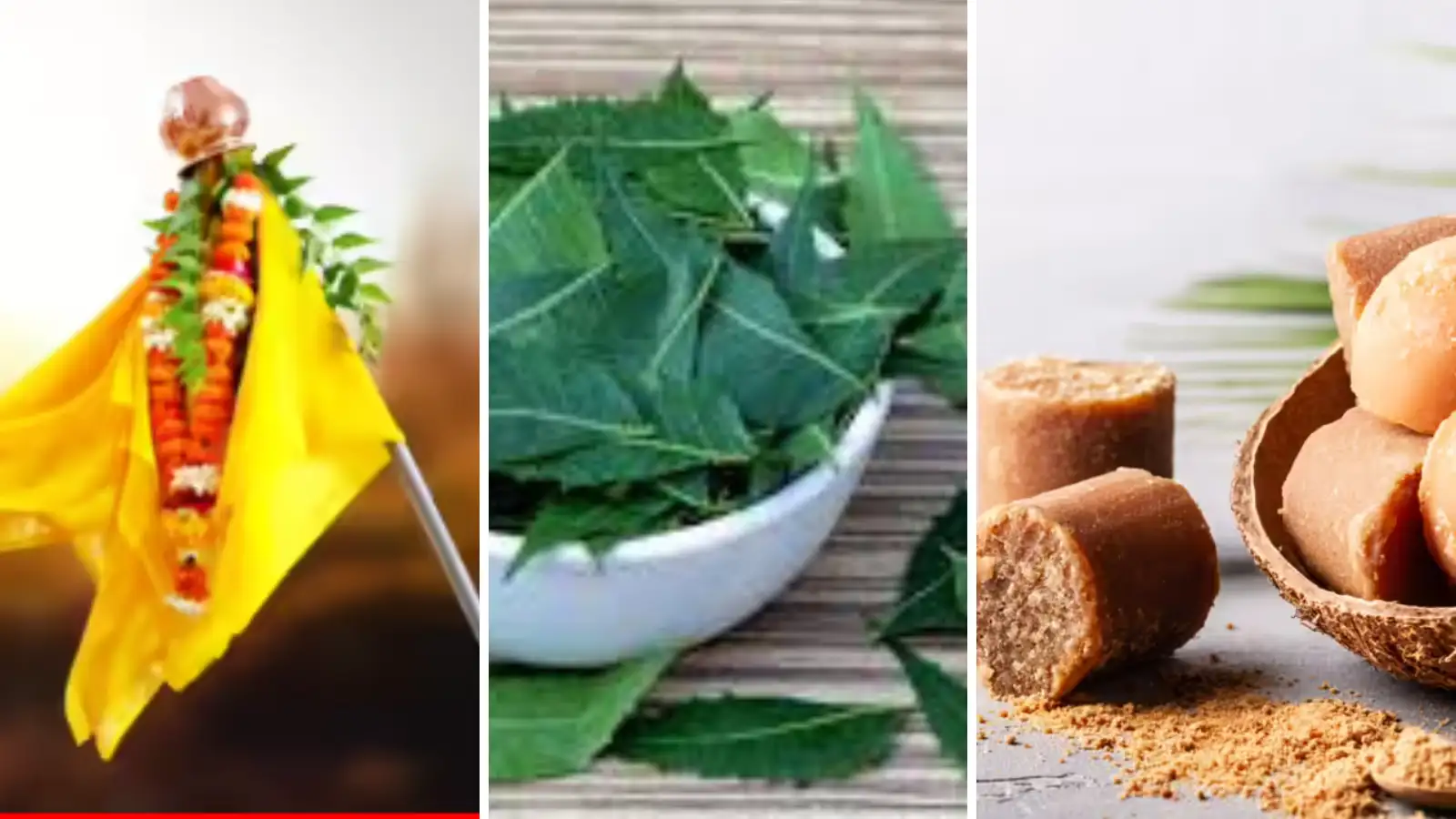
More Than Tradition: A Seasonal Health Strategy
The timing of this ritual is no coincidence. Gudi Padwa and Ugadi coincide with the transition from winter to spring, a period when the body’s digestive system and immunity start adjusting to warmer weather.
“Seasonal eating practices reflect an understanding of how the body’s nutritional needs change with time,” explains Ms Veena V, Chief Clinical Dietician at Aster Whitefield Hospital. Consuming neem and jaggery during this time helps gently support the body through this seasonal shift.
Neem: The Bitter Detox Ally
Neem’s sharp bitterness is not just for taste - it’s a powerhouse of health benefits. Rich in bioactive compounds, neem offers antimicrobial and anti-inflammatory properties that help the body adapt to seasonal changes.
“Neem is beneficial in the digestive process and is helpful in the recovery of the liver after a spell of heavy and festive meals,” says Veena V. It essentially acts as a natural reset for the body, preparing it for the new season ahead.
Jaggery: Sweet Nourishment for the Body
Balancing neem’s bitterness, jaggery brings both taste and nutrition. It is a natural source of iron, helping maintain healthy hemoglobin levels, while also stimulating digestive enzymes for smoother digestion.
“Jaggery helps restore energy levels and supports overall digestive health,” adds Veena V. When paired with neem, it helps create a harmony between cleansing and nourishment.
Why the Bitter-Sweet Combo Works
The combination of neem and jaggery is more than symbolic - it is functional. “Neem helps cleanse, while jaggery provides nourishment, making this pairing perfect for seasonal transition,” says Ms Ayesha Javed Mulani, Consultant Dietician at Rainbow Children’s Hospital.
Beyond the physical benefits, the bitter-sweet mix encourages mindful eating and an appreciation for balance in life, subtly teaching us to accept both the sweet and challenging moments.
A Ritual Rooted in Health and Meaning
This tradition also carries a philosophical layer. The juxtaposition of bitter and sweet flavors reflects the duality of life, reminding us that joy and challenges coexist. Traditional practices like these evolved not just as cultural expressions but as thoughtful ways to maintain physical health and emotional awareness.
What starts as a small ritual on the first day of the Hindu New Year is, in reality, a seasonal wellness practice. Neem and jaggery together offer a quiet yet powerful balance, supporting the body while embodying deeper cultural significance.
More Than Tradition: A Seasonal Health Strategy
The timing of this ritual is no coincidence. Gudi Padwa and Ugadi coincide with the transition from winter to spring, a period when the body’s digestive system and immunity start adjusting to warmer weather.
“Seasonal eating practices reflect an understanding of how the body’s nutritional needs change with time,” explains Ms Veena V, Chief Clinical Dietician at Aster Whitefield Hospital. Consuming neem and jaggery during this time helps gently support the body through this seasonal shift.
Neem: The Bitter Detox Ally
Neem’s sharp bitterness is not just for taste - it’s a powerhouse of health benefits. Rich in bioactive compounds, neem offers antimicrobial and anti-inflammatory properties that help the body adapt to seasonal changes.
“Neem is beneficial in the digestive process and is helpful in the recovery of the liver after a spell of heavy and festive meals,” says Veena V. It essentially acts as a natural reset for the body, preparing it for the new season ahead.
Jaggery: Sweet Nourishment for the Body
Balancing neem’s bitterness, jaggery brings both taste and nutrition. It is a natural source of iron, helping maintain healthy hemoglobin levels, while also stimulating digestive enzymes for smoother digestion.
“Jaggery helps restore energy levels and supports overall digestive health,” adds Veena V. When paired with neem, it helps create a harmony between cleansing and nourishment.
Why the Bitter-Sweet Combo Works
The combination of neem and jaggery is more than symbolic - it is functional. “Neem helps cleanse, while jaggery provides nourishment, making this pairing perfect for seasonal transition,” says Ms Ayesha Javed Mulani, Consultant Dietician at Rainbow Children’s Hospital.
Beyond the physical benefits, the bitter-sweet mix encourages mindful eating and an appreciation for balance in life, subtly teaching us to accept both the sweet and challenging moments.
A Ritual Rooted in Health and Meaning
This tradition also carries a philosophical layer. The juxtaposition of bitter and sweet flavors reflects the duality of life, reminding us that joy and challenges coexist. Traditional practices like these evolved not just as cultural expressions but as thoughtful ways to maintain physical health and emotional awareness.
What starts as a small ritual on the first day of the Hindu New Year is, in reality, a seasonal wellness practice. Neem and jaggery together offer a quiet yet powerful balance, supporting the body while embodying deeper cultural significance.
Next Story