
Why Old Clothes Sometimes Feel More Comfortable Than New Ones

Brand new garments often feel surprisingly stiff, scratchy and restrictive when you first slip them on. Manufacturing processes use chemical sizing agents, artificial starches and stiffening treatments to keep new clothing looking crisp and pristine on store displays. Over time, repeated washing cycles wash away these harsh chemicals and gradually break down rigid textile structures. Cotton, linen and denim fibres naturally soften as they rub against each other during regular laundry washes. This continuous mechanical action creates a gentle, supple surface texture that feels far smoother against sensitive human skin than stiff new fabric.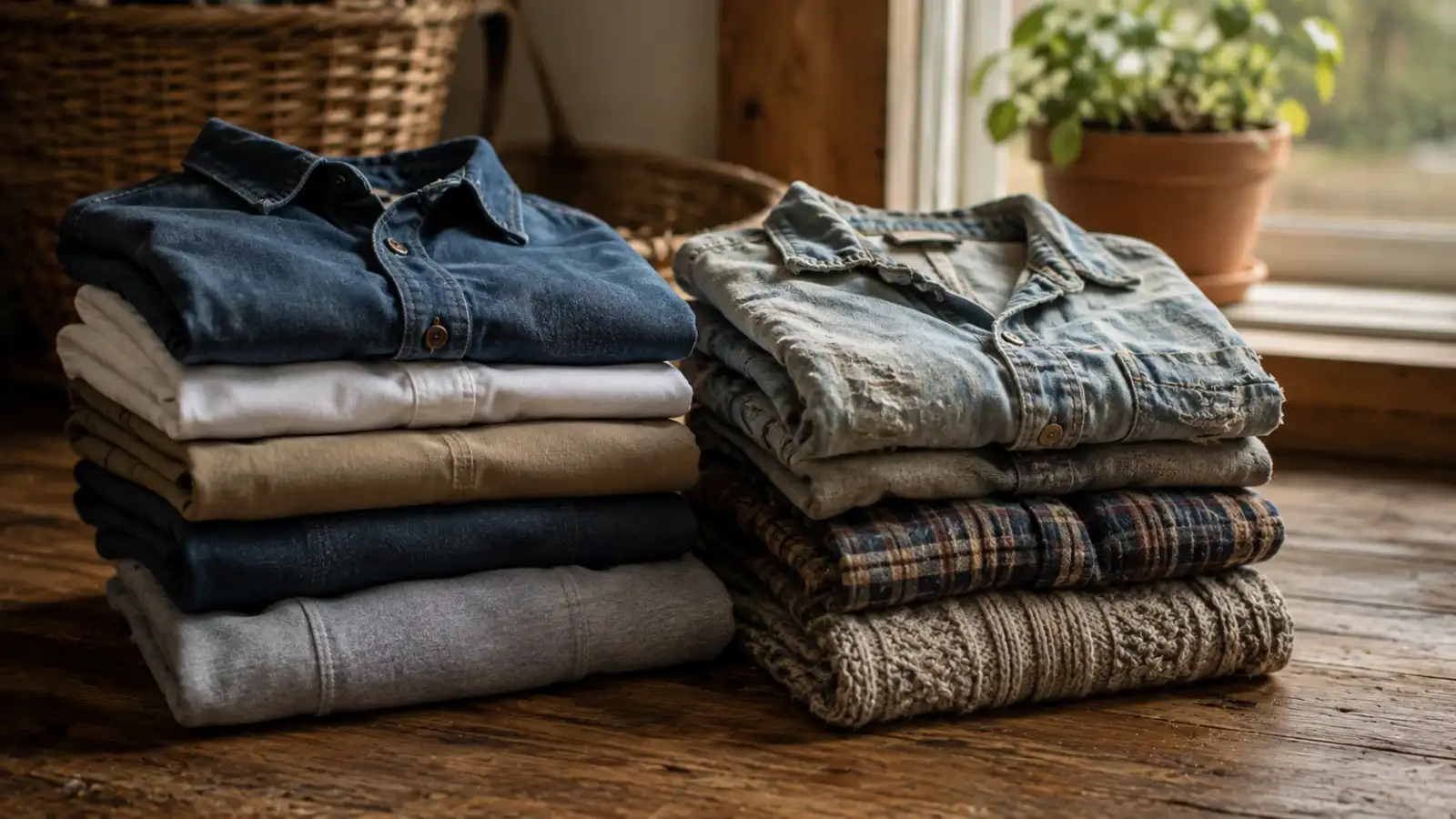
Custom Fit and Moulding to Your Body Shape
One of the main reasons comfortable old clothes feel superior to new off-the-rack garments comes down to custom physical fit. Modern factory clothing is produced using standardized sizes designed to fit a generic average body shape. However, as you wear an item repeatedly, natural movement stretches specific seams and contours the fabric directly to your unique proportions. The material remembers where your elbows bend, how your shoulders sit and where your waist settles naturally. This custom moulding eliminates restrictive tension points and stiff waistbands, providing an effortless bespoke fit that brand new clothing simply cannot replicate instantly.
Psychological Comfort and Familiarity
The sensory appeal of older garments extends far beyond physical texture and flexible seams. Psychology plays a massive role in why worn-in clothing provides immediate emotional comfort and stress relief. Wearing familiar vintage clothes or well-loved jumpers creates a subtle feeling of safety and calm. We subconsciously associate these favourite items with cozy weekends, relaxed moments at home, or pleasant memories from our past. Slipping into a soft worn sweater after a stressful day acts as a physical signal for your brain to relax, offering a sense of emotional security that crisp new outfits take time to build up.
Superior Material Quality in Vintage Clothing
Garments manufactured decades ago often used higher quality natural fibres compared to modern fast fashion alternatives. Synthetic blends like polyester, acrylic and nylon dominate today's clothing racks, but these artificial materials do not age as gracefully as pure organic cotton, heavy wool or real linen. Older items built with dense weaves and natural threads tend to breathe better and age beautifully over time. Rather than fraying or losing shape, genuine high-grade fabrics become progressively softer while maintaining their structural integrity, making older garments a durable and comfortable choice.
Breathability and Chemical Clearance
New garments frequently retain residual chemical dyes, anti-wrinkle sprays and synthetic finishes from the manufacturing floor. These leftover substances can irritate skin, restrict air circulation and cause mild discomfort during daily wear. After years of laundering, worn clothing is entirely free from these lingering industrial treatments. The clear pores of the open fabric allow air to flow freely around your body, improving temperature regulation and breathability. Embracing comfortable old clothes not only feels better on your skin but also supports sustainable living by extending the lifespan of quality textiles.
Custom Fit and Moulding to Your Body Shape
One of the main reasons comfortable old clothes feel superior to new off-the-rack garments comes down to custom physical fit. Modern factory clothing is produced using standardized sizes designed to fit a generic average body shape. However, as you wear an item repeatedly, natural movement stretches specific seams and contours the fabric directly to your unique proportions. The material remembers where your elbows bend, how your shoulders sit and where your waist settles naturally. This custom moulding eliminates restrictive tension points and stiff waistbands, providing an effortless bespoke fit that brand new clothing simply cannot replicate instantly.
You may also like
- Peanuts With or Without Skin: Which Is Healthier and What Is the Best Way to Eat Them?
- 'This is my tiny house, though it looks straight out of a postcard, I live here': Woman reveals the issues she is facing living in a 'picture-perfect' house
- Why do Kodagu brides wear their saree backwards? The fascinating story behind their iconic drape
- Your child seems distracted while studying? These overlooked vision problems could be making reading and learning harder
- Why Zurich deserves more than a layover
Psychological Comfort and Familiarity
The sensory appeal of older garments extends far beyond physical texture and flexible seams. Psychology plays a massive role in why worn-in clothing provides immediate emotional comfort and stress relief. Wearing familiar vintage clothes or well-loved jumpers creates a subtle feeling of safety and calm. We subconsciously associate these favourite items with cozy weekends, relaxed moments at home, or pleasant memories from our past. Slipping into a soft worn sweater after a stressful day acts as a physical signal for your brain to relax, offering a sense of emotional security that crisp new outfits take time to build up.
Superior Material Quality in Vintage Clothing
Garments manufactured decades ago often used higher quality natural fibres compared to modern fast fashion alternatives. Synthetic blends like polyester, acrylic and nylon dominate today's clothing racks, but these artificial materials do not age as gracefully as pure organic cotton, heavy wool or real linen. Older items built with dense weaves and natural threads tend to breathe better and age beautifully over time. Rather than fraying or losing shape, genuine high-grade fabrics become progressively softer while maintaining their structural integrity, making older garments a durable and comfortable choice.
Breathability and Chemical Clearance
New garments frequently retain residual chemical dyes, anti-wrinkle sprays and synthetic finishes from the manufacturing floor. These leftover substances can irritate skin, restrict air circulation and cause mild discomfort during daily wear. After years of laundering, worn clothing is entirely free from these lingering industrial treatments. The clear pores of the open fabric allow air to flow freely around your body, improving temperature regulation and breathability. Embracing comfortable old clothes not only feels better on your skin but also supports sustainable living by extending the lifespan of quality textiles.






Loving Newspoint? Download the app now
