
Winter Fruit Benefits: What Makes Oranges and Sweet Limes a Seasonal Favourite?

Oranges and sweet limes are among the most familiar fruits found in Indian markets during winter. Their refreshing taste, juicy pulp and natural sweetness make them popular choices for people looking for seasonal fruit options. Apart from their flavour, these citrus fruits provide important nutrients, including vitamin C, which supports several functions in the body. They can be enjoyed whole, added to fruit salads or used to prepare fresh juice. Their availability during the cooler months and versatility in everyday meals make them a regular part of many households. Here is why oranges and sweet limes remain winter favourites.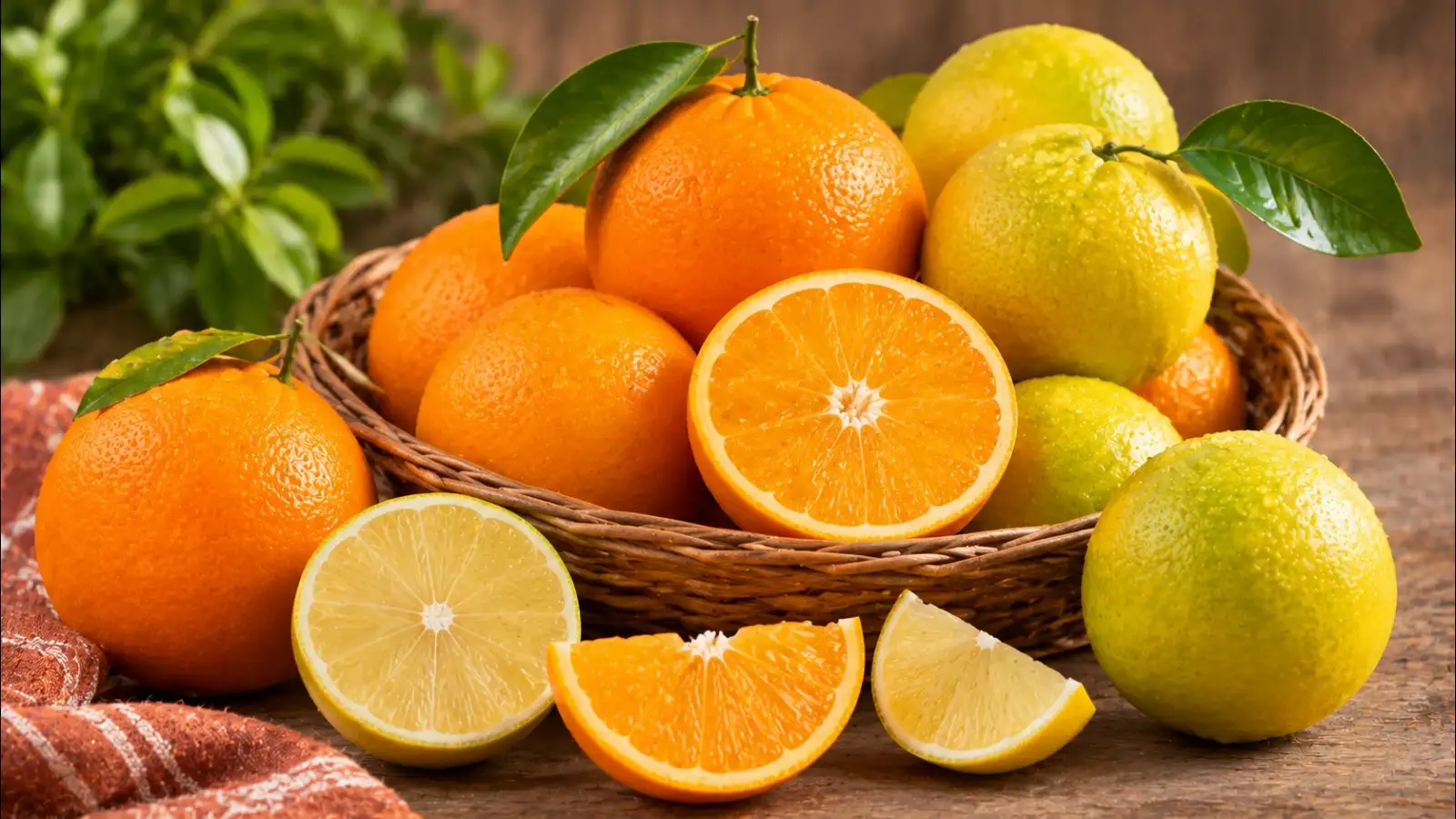
Nagpur oranges, kinnow and sweet lime are familiar examples. Their availability makes it easier for households to include fresh citrus fruits in everyday meals without relying on imported produce.
Including citrus fruits as part of a varied diet can help contribute to daily vitamin C intake. However, eating oranges or sweet limes does not guarantee protection against seasonal infections.
Their high water content makes them refreshing snacks, particularly between meals. Eating the whole fruit also provides dietary fibre, which is generally reduced when the fruit is consumed only as strained juice.
It can also contribute to a feeling of fullness, making whole citrus fruits a convenient snack between meals. Eating the fruit with its natural pulp provides more fibre than drinking clear juice.
The amount and type of these compounds can vary depending on the fruit variety and its ripeness. Including different coloured fruits and vegetables in your diet is a practical way to obtain a range of beneficial plant compounds.
They also work well in breakfast bowls, homemade fruit salads and fresh chutneys. A few orange segments can add natural sweetness and a refreshing taste to salads made with carrots, cabbage or leafy vegetables.
Whole fruits provide natural sugars along with water, fibre and nutrients. Their refreshing taste can also make them a satisfying addition to lunch boxes or afternoon snack routines.
You can prepare a colourful winter fruit bowl or add orange segments to a vegetable salad. A little lemon juice, black pepper or fresh mint can further enhance the flavour without requiring heavy dressings.
1. They Are Widely Available During the Winter Season
One reason oranges and sweet limes become popular in winter is their seasonal availability. Different citrus varieties are harvested at different times, and several Indian varieties are commonly found in markets during the cooler months.Nagpur oranges, kinnow and sweet lime are familiar examples. Their availability makes it easier for households to include fresh citrus fruits in everyday meals without relying on imported produce.
2. They Provide Vitamin C
Oranges and sweet limes are known for their vitamin C content. This nutrient plays an important role in supporting normal immune function, helping the body produce collagen and improving the absorption of iron from plant-based foods.Including citrus fruits as part of a varied diet can help contribute to daily vitamin C intake. However, eating oranges or sweet limes does not guarantee protection against seasonal infections.
3. They Help Add Hydration to Your Diet
People sometimes drink less water during colder weather because they may not feel as thirsty as they do in summer. Juicy fruits such as oranges and sweet limes can contribute to daily fluid intake.Their high water content makes them refreshing snacks, particularly between meals. Eating the whole fruit also provides dietary fibre, which is generally reduced when the fruit is consumed only as strained juice.
4. They Contain Dietary Fibre
Oranges and sweet limes contain dietary fibre, particularly when eaten whole rather than consumed as filtered juice. Fibre supports normal digestion and helps maintain regular bowel movements.It can also contribute to a feeling of fullness, making whole citrus fruits a convenient snack between meals. Eating the fruit with its natural pulp provides more fibre than drinking clear juice.
You may also like
- One year, many milestones: OutStation celebrates its debut era with a new mixtape
- Donate these 5 things on Kartiki Ekadashi, this will bring happiness and prosperity to your home
- Fatty Liver Is Not Just a Digestive Problem: Doctors Warn of Serious Risks to Heart Health
- Psychology says people who reach railway stations hours before their train arrives may be managing more than punctuality: How anticipatory anxiety, fear of missing out and the need for control make some travellers arrive unusually early
- Psychology says people who feel guilty asking friends to return money they borrowed may be struggling with the fear of making a relationship uncomfortable; research across three countries examined why lenders avoid asking for repayment
5. They Offer Natural Antioxidants
Citrus fruits contain several plant compounds, including flavonoids and carotenoids, along with vitamin C. These substances have antioxidant properties and help protect cells from damage caused by oxidative stress.The amount and type of these compounds can vary depending on the fruit variety and its ripeness. Including different coloured fruits and vegetables in your diet is a practical way to obtain a range of beneficial plant compounds.
6. They Are Easy to Include in Everyday Meals
Oranges and sweet limes are convenient because they require very little preparation. You can peel them and eat the segments directly or combine them with other seasonal fruits.They also work well in breakfast bowls, homemade fruit salads and fresh chutneys. A few orange segments can add natural sweetness and a refreshing taste to salads made with carrots, cabbage or leafy vegetables.
7. They Provide a Refreshing Alternative to Sugary Snacks
When you want something sweet between meals, an orange or sweet lime can be a simple alternative to packaged desserts and sugary snacks.Whole fruits provide natural sugars along with water, fibre and nutrients. Their refreshing taste can also make them a satisfying addition to lunch boxes or afternoon snack routines.
8. They Pair Well With Other Seasonal Foods
Oranges and sweet limes can be combined with several winter ingredients. They pair well with apples, pomegranates, carrots, beetroot and leafy vegetables.You can prepare a colourful winter fruit bowl or add orange segments to a vegetable salad. A little lemon juice, black pepper or fresh mint can further enhance the flavour without requiring heavy dressings.
How to Choose and Store Oranges and Sweet Limes
Selecting fresh citrus fruits can help you enjoy their flavour and quality. Keep these simple points in mind:- Choose fruits that feel firm and heavy for their size.
- Avoid fruits with soft patches, mould or damaged skin.
- Store them in a cool, dry place if you plan to eat them soon.
- Refrigerate them when you want to keep them fresh for longer.
- Wash the outer skin before cutting or peeling.
- Prefer whole fruits over strained juice to retain more dietary fibre.






Loving Newspoint? Download the app now
