
Why Paris Is Called The City Of Lights: History, Facts, And Modern Glow

Paris is called the City of Lights for two reasons: its early adoption of street lighting and its historic role as a centre of knowledge during the Enlightenment.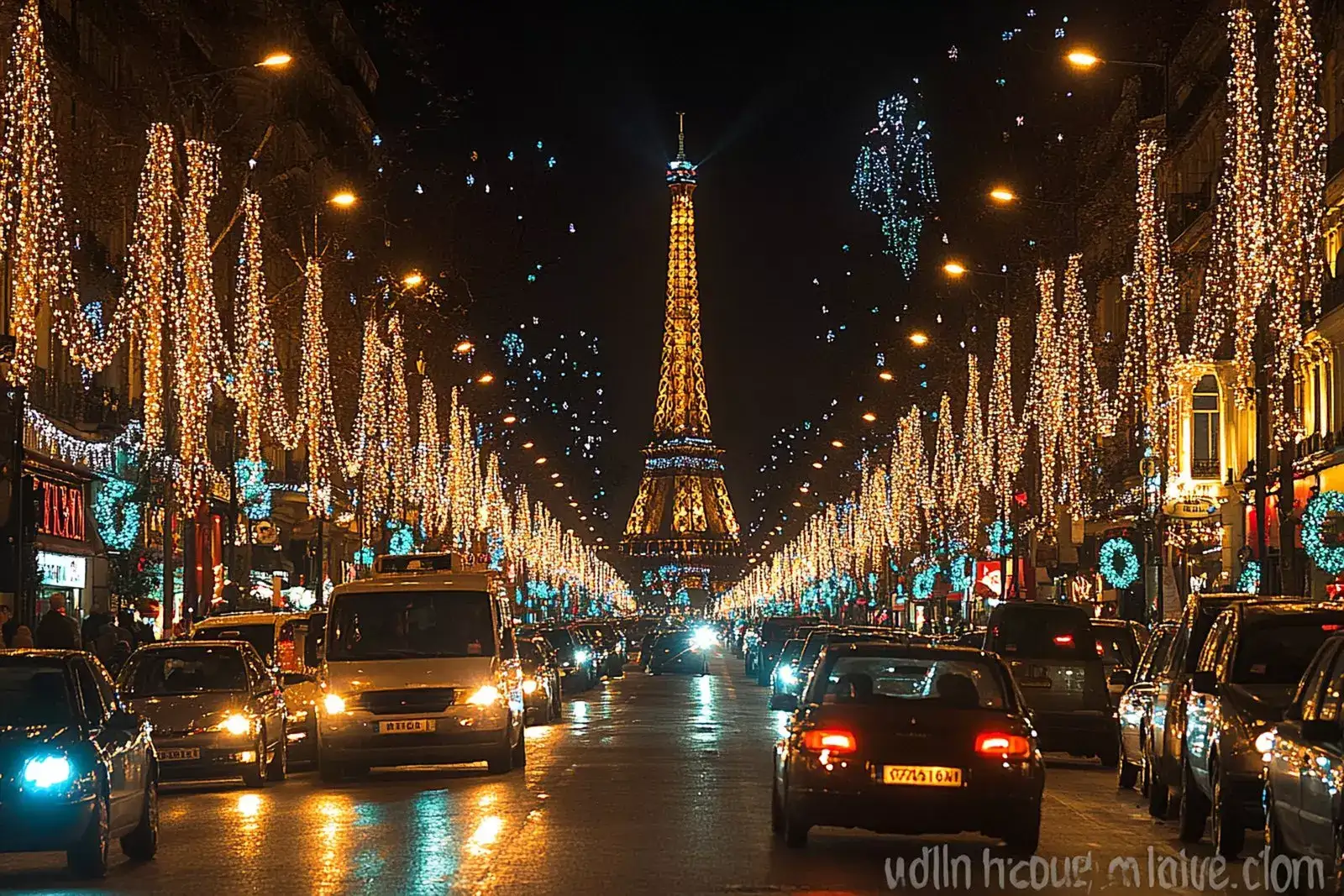
Origin of the Name
The title “City of Lights” dates back to the 18th century. Paris led the Age of Enlightenment, a time when ideas about science, art, and freedom of thought flourished. Thinkers like Voltaire, Rousseau, and Diderot lived here, making Paris a global hub of learning and innovation.
The First European City with Street Lights
In the 1660s, King Louis XIV ordered lanterns to be placed on Paris’s streets to improve safety. By the 1820s, over 50,000 gas lamps lit up the city. Paris became one of the first cities in the world to use organised street lighting, turning its nights bright and secure.
Paris at Night Today
Modern Paris still shines. Around 290 monuments and buildings light up every evening, including the Eiffel Tower, Arc de Triomphe, Louvre Museum, and Notre-Dame Cathedral.
Cultural Significance
Paris is also a global capital of art, fashion, and cinema. It is home to iconic museums like the Louvre, Musée d’Orsay, and Centre Pompidou. Its creative and cultural energy continues to keep the “City of Lights” name alive.
Quick Facts About the City of Lights
Origin of the Name
The title “City of Lights” dates back to the 18th century. Paris led the Age of Enlightenment, a time when ideas about science, art, and freedom of thought flourished. Thinkers like Voltaire, Rousseau, and Diderot lived here, making Paris a global hub of learning and innovation.
The First European City with Street Lights
In the 1660s, King Louis XIV ordered lanterns to be placed on Paris’s streets to improve safety. By the 1820s, over 50,000 gas lamps lit up the city. Paris became one of the first cities in the world to use organised street lighting, turning its nights bright and secure.
Paris at Night Today
Modern Paris still shines. Around 290 monuments and buildings light up every evening, including the Eiffel Tower, Arc de Triomphe, Louvre Museum, and Notre-Dame Cathedral.
- The Eiffel Tower glows with 20,000 bulbs, sparkling every hour after sunset.
- The city uses energy-efficient LED systems to keep its famous glow while reducing power use.
- Paris’s nightscape attracts millions of tourists every year.
Cultural Significance
Paris is also a global capital of art, fashion, and cinema. It is home to iconic museums like the Louvre, Musée d’Orsay, and Centre Pompidou. Its creative and cultural energy continues to keep the “City of Lights” name alive.
Quick Facts About the City of Lights
- First European city to use street lighting.
- Over 290 illuminated monuments.
- 20,000 bulbs light up the Eiffel Tower each night.
- Heart of the Enlightenment Era, leading in art and science.
- Millions of visitors come each year to witness Paris by night.
Next Story