
Why People Traditionally Avoid Certain Activities During Rainstorms

For generations, grandparents have warned against taking a shower, soaking in a bath, or washing dishes when a heavy rainstorm rolls overhead. While this rule sounds like an old wives' tale, it is actually rooted in real physical danger. Traditional indoor plumbing systems relied heavily on metal pipes running directly from the ground into residential homes. If lightning strikes a building or nearby soil during a rainstorm, the intense electrical voltage travels through metal water pipes and conductive tap water, electrifying showerheads and faucets. Even with modern plastic plumbing, avoiding running water during severe rainstorms remains a practical habit that prevents accidental shocks.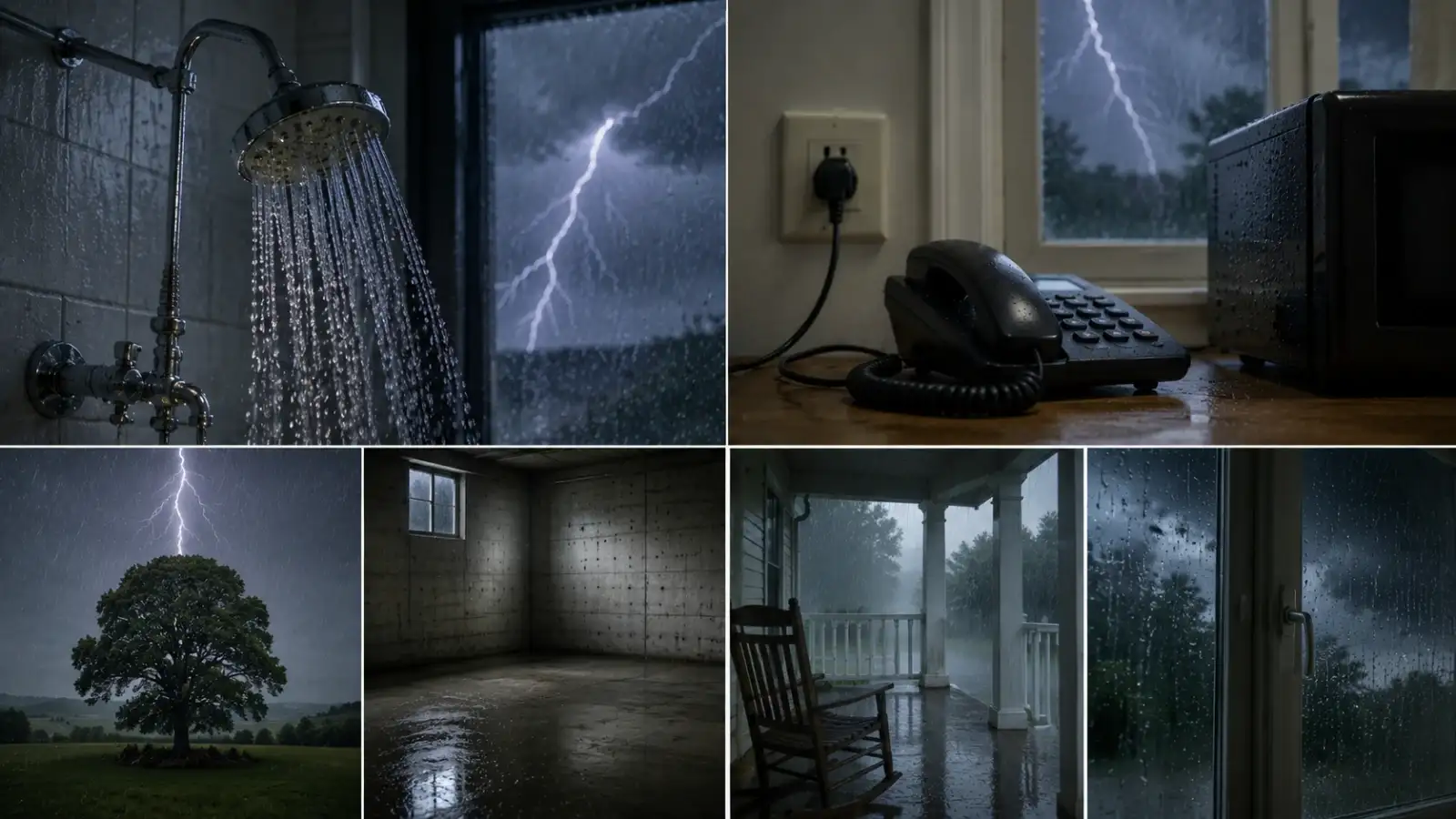
Steering Clear of Corded Telephones and Plugged Appliances
Another widespread rainstorm custom involves staying away from household electronics and landline phones. In earlier decades, corded telephones provided a direct copper wire path to outdoor utility poles. A sudden lightning strike on a power line could surge straight through telephone wires, delivering a dangerous shock to anyone holding the receiver. Similarly, using plugged appliances like washing machines or desktop computers exposes residents to high electrical surges. Unplugging sensitive equipment during heavy rainstorms became an essential tradition to protect both human health and delicate home wiring.
Refraining from Sheltering Beneath Tall Isolated Trees
When caught outdoors during a sudden rainstorm, human instinct pushes us to seek cover under thick tree canopies to stay dry. However, folk wisdom and weather experts strongly discourage this habit. Lightning naturally seeks out tall, isolated objects to discharge its energy into the ground. Sheltering directly under a tree makes a person vulnerable to side flashes and ground currents. When lightning strikes a trunk, the severe heat vaporizes internal sap, causing branches to explode violently. Getting wet is far safer than standing beneath a natural lightning conductor during a storm.
Avoiding Concrete Walls and Flooring
Cultural habits often advise against lying on garage floors or leaning against basement walls during stormy weather. This practice stems from structural building techniques. Concrete structures are reinforced internally with long metal rebar grids and wire mesh. Because metal conducts electricity effortlessly, a nearby lightning strike can travel through the hidden steel framework of a concrete building. Staying away from basement floors and exterior concrete walls keeps you isolated from hidden electrical pathways, protecting your body from indirect ground surges.
Closing Metal Framed Windows and Staying Off Porches
Watching a dramatic rainstorm from an open porch or sitting right next to a glass window is a common impulse, yet traditional rules forbid it. Open porches offer no physical isolation from strong winds, falling debris, or localized lightning flashes. Furthermore, metal window frames can conduct electrical current into a room if lightning hits the outer building wall. High winds can also blow loose tree limbs through glass panes, sending dangerous shards inward. Retracting to an interior room until the storm passes guarantees maximum personal safety until clear skies return
Steering Clear of Corded Telephones and Plugged Appliances
Another widespread rainstorm custom involves staying away from household electronics and landline phones. In earlier decades, corded telephones provided a direct copper wire path to outdoor utility poles. A sudden lightning strike on a power line could surge straight through telephone wires, delivering a dangerous shock to anyone holding the receiver. Similarly, using plugged appliances like washing machines or desktop computers exposes residents to high electrical surges. Unplugging sensitive equipment during heavy rainstorms became an essential tradition to protect both human health and delicate home wiring.
You may also like
- Breathing Hazard: Reducing PM 2.5 Exposure Can Lower Global Lung Cancer Risks, New Study Reveals
- Working Out Daily Without Results, Avoid These 5 Common Post-Workout Mistakes Holding You Back
- Climate Change Threat: Rising Ocean Temperatures Could Cut Omega-3 Levels in Fish by Up to 50%
- The myth of the perfect parent: How social media turned raising kids into a performance over the time
- Dolce & Gabbana Beauty makes its India play, betting on the country's luxury beauty boom
Refraining from Sheltering Beneath Tall Isolated Trees
When caught outdoors during a sudden rainstorm, human instinct pushes us to seek cover under thick tree canopies to stay dry. However, folk wisdom and weather experts strongly discourage this habit. Lightning naturally seeks out tall, isolated objects to discharge its energy into the ground. Sheltering directly under a tree makes a person vulnerable to side flashes and ground currents. When lightning strikes a trunk, the severe heat vaporizes internal sap, causing branches to explode violently. Getting wet is far safer than standing beneath a natural lightning conductor during a storm.
Avoiding Concrete Walls and Flooring
Cultural habits often advise against lying on garage floors or leaning against basement walls during stormy weather. This practice stems from structural building techniques. Concrete structures are reinforced internally with long metal rebar grids and wire mesh. Because metal conducts electricity effortlessly, a nearby lightning strike can travel through the hidden steel framework of a concrete building. Staying away from basement floors and exterior concrete walls keeps you isolated from hidden electrical pathways, protecting your body from indirect ground surges.
Closing Metal Framed Windows and Staying Off Porches
Watching a dramatic rainstorm from an open porch or sitting right next to a glass window is a common impulse, yet traditional rules forbid it. Open porches offer no physical isolation from strong winds, falling debris, or localized lightning flashes. Furthermore, metal window frames can conduct electrical current into a room if lightning hits the outer building wall. High winds can also blow loose tree limbs through glass panes, sending dangerous shards inward. Retracting to an interior room until the storm passes guarantees maximum personal safety until clear skies return






Loving Newspoint? Download the app now
