
Why Does Pineapple Make Your Tongue Tingle?

Pineapple is juicy, sweet and refreshingly tangy, but eating too much of it can leave your tongue feeling prickly, sore or even slightly numb. This unusual sensation is not your imagination. It comes from a combination of pineapple's natural chemistry and the way its enzymes interact with proteins.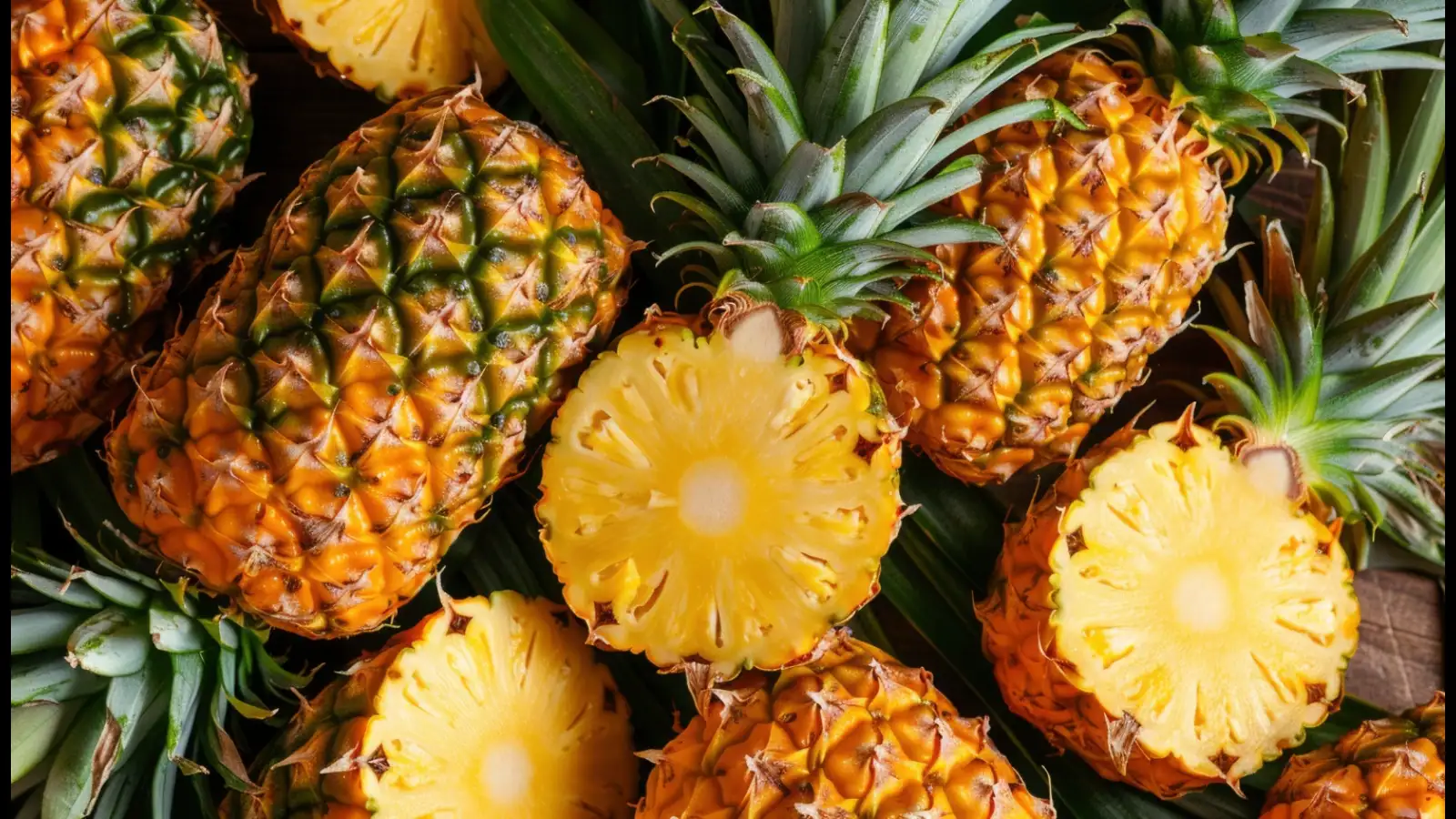
When you eat fresh pineapple, bromelain comes into contact with the tissues inside your mouth. This can contribute to the familiar tingling, prickling or tender sensation.
However, bromelain is not the only reason pineapple can make your mouth feel uncomfortable.
The acidity can irritate the sensitive tissues in your mouth, especially if you already have small cuts, sores or irritated gums. Together with bromelain, the acids can make the sensation feel stronger.
It is sometimes said that pineapple 'eats your tongue' because bromelain breaks down proteins. While the enzyme can act on proteins, the tingling sensation does not mean the fruit is significantly digesting your tongue.
Your mouth also has saliva and other protective mechanisms that limit how long these compounds remain in contact with your tissues. The sensation usually fades after you stop eating the fruit.
This is one reason cooked or heat-treated pineapple may cause less of the characteristic tingling than fresh pineapple.
The exact effect can vary depending on the fruit, how it was processed and how sensitive your mouth is.
The result may be a combination of:
The amount and activity of bromelain can also vary between different parts of the pineapple and between individual fruits. So, some pineapples may feel noticeably harsher on the tongue than others.
However, a reaction involving significant swelling, difficulty breathing, widespread hives or other severe symptoms is different from ordinary pineapple irritation and could indicate an allergic reaction. Such symptoms require prompt medical attention.
So, the next time pineapple makes your tongue tingle, you do not need to imagine that the fruit is attacking your mouth. Its combination of bromelain, natural acids and sensitive oral tissue explains much of that strange sensation.
The Main Culprit Is Bromelain
Pineapple contains a group of protein-digesting enzymes called bromelain. These enzymes can break down proteins, including some of the proteins present on the surface of your mouth and tongue.When you eat fresh pineapple, bromelain comes into contact with the tissues inside your mouth. This can contribute to the familiar tingling, prickling or tender sensation.
However, bromelain is not the only reason pineapple can make your mouth feel uncomfortable.
Pineapple Is Also Quite Acidic
Pineapple contains natural acids, particularly citric acid and malic acid. These give the fruit its characteristic tart flavour.The acidity can irritate the sensitive tissues in your mouth, especially if you already have small cuts, sores or irritated gums. Together with bromelain, the acids can make the sensation feel stronger.
Is Pineapple Actually Eating Your Tongue?
Not literally.It is sometimes said that pineapple 'eats your tongue' because bromelain breaks down proteins. While the enzyme can act on proteins, the tingling sensation does not mean the fruit is significantly digesting your tongue.
Your mouth also has saliva and other protective mechanisms that limit how long these compounds remain in contact with your tissues. The sensation usually fades after you stop eating the fruit.
Why Does It Happen More With Fresh Pineapple?
Fresh pineapple contains active bromelain. Heating pineapple can reduce the activity of these enzymes because, like many proteins, they can be altered by heat.This is one reason cooked or heat-treated pineapple may cause less of the characteristic tingling than fresh pineapple.
The exact effect can vary depending on the fruit, how it was processed and how sensitive your mouth is.
Why Does Pineapple Sometimes Make Your Mouth Sore?
Eating a large amount of fresh pineapple can expose your mouth to more bromelain and acid for a longer period.The result may be a combination of:
You may also like
- Priyanka Chopra Jonas calls daughter Malti Marie a 'foodie': Why exposing children to different flavours can shape healthy eating habits
- Save and invest ₹45 daily to build a fund of ₹25 lakh; find out about the scheme..
- 7 Laser Hair Removal Mistakes You Should Avoid
- DIY Home Decor Hack: Turn old belts into stylish floating shelf brackets to save money and add style idea
- Money to be deducted from SBI account holders' pockets; rules changed, and benefits on salary accounts reduced..
- Tingling or prickling
- Mild burning
- Tongue tenderness
- Irritation around the lips or gums
- A temporary feeling of numbness
Does Ripe Pineapple Cause Less Tingling?
Ripeness can change pineapple's flavour, texture and acidity, but it does not mean that a ripe pineapple will automatically stop causing the sensation.The amount and activity of bromelain can also vary between different parts of the pineapple and between individual fruits. So, some pineapples may feel noticeably harsher on the tongue than others.
Should You Stop Eating Pineapple?
For most people, mild tingling after eating fresh pineapple is simply a temporary response to the fruit's enzymes and acidity.However, a reaction involving significant swelling, difficulty breathing, widespread hives or other severe symptoms is different from ordinary pineapple irritation and could indicate an allergic reaction. Such symptoms require prompt medical attention.
So, the next time pineapple makes your tongue tingle, you do not need to imagine that the fruit is attacking your mouth. Its combination of bromelain, natural acids and sensitive oral tissue explains much of that strange sensation.






Loving Newspoint? Download the app now
