
Why Plants Sometimes Grow Better When You Ignore Them

Many plant owners shower their green companions with constant attention, thinking that daily care is the best route to thriving growth. However, excessive enthusiasm often leads to serious issues, most notably overwatering. When potted plants are given water too frequently, the air pockets within the soil remain constantly saturated. This deprives the root system of vital oxygen, creating ideal conditions for fungal infections and root decay. Stepping back and allowing the soil to dry out between waterings allows oxygen to circulate freely, protecting delicate roots and keeping the plant healthy without unnecessary intervention.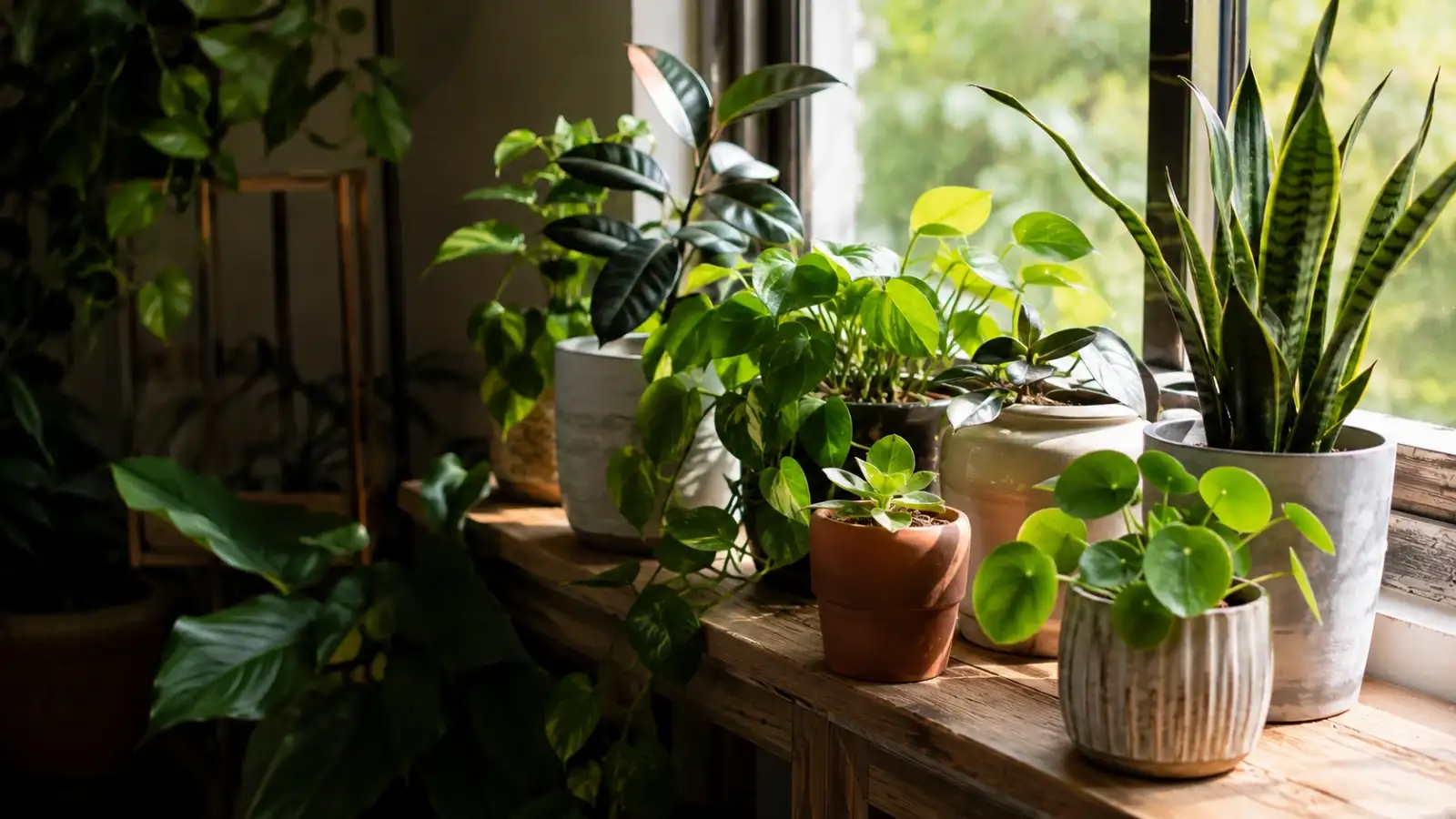
Building Deep Root Systems Through Mild Stress
When you leave indoor plants alone for a little longer than usual, you encourage them to develop stronger physical structures. In natural habitats, vegetation faces changing weather patterns and varying moisture levels. When surface soil dries out, roots are stimulated to push deeper down into the pot in search of hidden moisture reserves. This deeper expansion forms a robust and wide root network that makes the plant far more resilient. Constant surface watering, on the other hand, keeps the roots shallow and dependent on daily care. By practicing benign neglect, you force the plant to build its own structural strength, leading to long-term stability and healthier foliage.
Avoiding Fertilizer Burn and Nutrient Overload
Feeding your house plants too often can cause far more harm than good. High levels of synthetic fertilizers cause mineral salts to accumulate in the potting mix over time. This buildup can scorch tender root tips, burn leaf edges, and disrupt the natural soil balance. When plants are left to grow at their natural pace, they draw on existing nutrients steadily without suffering from chemical stress. Restraining the impulse to feed them every week allows the beneficial soil ecosystem to stabilize, which in turn helps plants absorb natural nutrients efficiently.
Reducing Pest Outbreaks and Leaf Stress
Constantly moving pots, touching foliage, and wiping down stems can inadvertently spread microscopic pests and damage delicate plant tissue. Overhandling stresses green foliage, forcing the plant to spend energy repairing minor structural damage rather than putting out fresh shoots and vibrant leaves. Furthermore, over-cared-for plants that receive too much water often grow soft, weak tissue that attracts common pests like gnats and aphids. Giving your pots space reduces physical stress and keeps foliage tough, making it harder for unwanted insects to establish colonies.
Respecting Natural Plant Cycles for Steady Growth
Every species has inherent growth patterns, including periods of dormancy where visible activity slows down significantly. Enthusiastic gardeners frequently misinterpret dormant phases as signs of distress, reacting with extra water, feed, or frequent repotting. These frantic measures confuse the plant during its resting cycle and can cause severe distress. Embracing a hands-off approach honors these natural cycles, letting your greenery rest when needed so it can burst back into action during its active growing season. Stepping back reduces human error and gives your indoor garden the peace it needs to blossom naturally.
Building Deep Root Systems Through Mild Stress
When you leave indoor plants alone for a little longer than usual, you encourage them to develop stronger physical structures. In natural habitats, vegetation faces changing weather patterns and varying moisture levels. When surface soil dries out, roots are stimulated to push deeper down into the pot in search of hidden moisture reserves. This deeper expansion forms a robust and wide root network that makes the plant far more resilient. Constant surface watering, on the other hand, keeps the roots shallow and dependent on daily care. By practicing benign neglect, you force the plant to build its own structural strength, leading to long-term stability and healthier foliage.
You may also like
- Peanuts With or Without Skin: Which Is Healthier and What Is the Best Way to Eat Them?
- 'This is my tiny house, though it looks straight out of a postcard, I live here': Woman reveals the issues she is facing living in a 'picture-perfect' house
- Why do Kodagu brides wear their saree backwards? The fascinating story behind their iconic drape
- Your child seems distracted while studying? These overlooked vision problems could be making reading and learning harder
- Why Zurich deserves more than a layover
Avoiding Fertilizer Burn and Nutrient Overload
Feeding your house plants too often can cause far more harm than good. High levels of synthetic fertilizers cause mineral salts to accumulate in the potting mix over time. This buildup can scorch tender root tips, burn leaf edges, and disrupt the natural soil balance. When plants are left to grow at their natural pace, they draw on existing nutrients steadily without suffering from chemical stress. Restraining the impulse to feed them every week allows the beneficial soil ecosystem to stabilize, which in turn helps plants absorb natural nutrients efficiently.
Reducing Pest Outbreaks and Leaf Stress
Constantly moving pots, touching foliage, and wiping down stems can inadvertently spread microscopic pests and damage delicate plant tissue. Overhandling stresses green foliage, forcing the plant to spend energy repairing minor structural damage rather than putting out fresh shoots and vibrant leaves. Furthermore, over-cared-for plants that receive too much water often grow soft, weak tissue that attracts common pests like gnats and aphids. Giving your pots space reduces physical stress and keeps foliage tough, making it harder for unwanted insects to establish colonies.
Respecting Natural Plant Cycles for Steady Growth
Every species has inherent growth patterns, including periods of dormancy where visible activity slows down significantly. Enthusiastic gardeners frequently misinterpret dormant phases as signs of distress, reacting with extra water, feed, or frequent repotting. These frantic measures confuse the plant during its resting cycle and can cause severe distress. Embracing a hands-off approach honors these natural cycles, letting your greenery rest when needed so it can burst back into action during its active growing season. Stepping back reduces human error and gives your indoor garden the peace it needs to blossom naturally.






Loving Newspoint? Download the app now
