
From Cascading Streams to Emerald Lakes: Why Plitvice Lakes Is a Must-Visit Destination

The Plitvice Lakes region in Croatia is famous for its extraordinary collection of cascading waterfalls, crystal-clear lakes and lush forest landscapes. Located in the mountainous central part of the country, Plitvice Lakes National Park is one of Europe's most remarkable natural attractions. Its turquoise and emerald-coloured waters flow through a series of interconnected lakes, separated by natural limestone and travertine barriers. These formations create hundreds of waterfalls of different sizes, giving the park its distinctive appearance. The combination of geological processes, rich biodiversity and beautiful scenery makes Plitvice Lakes a fascinating destination for nature lovers and photographers.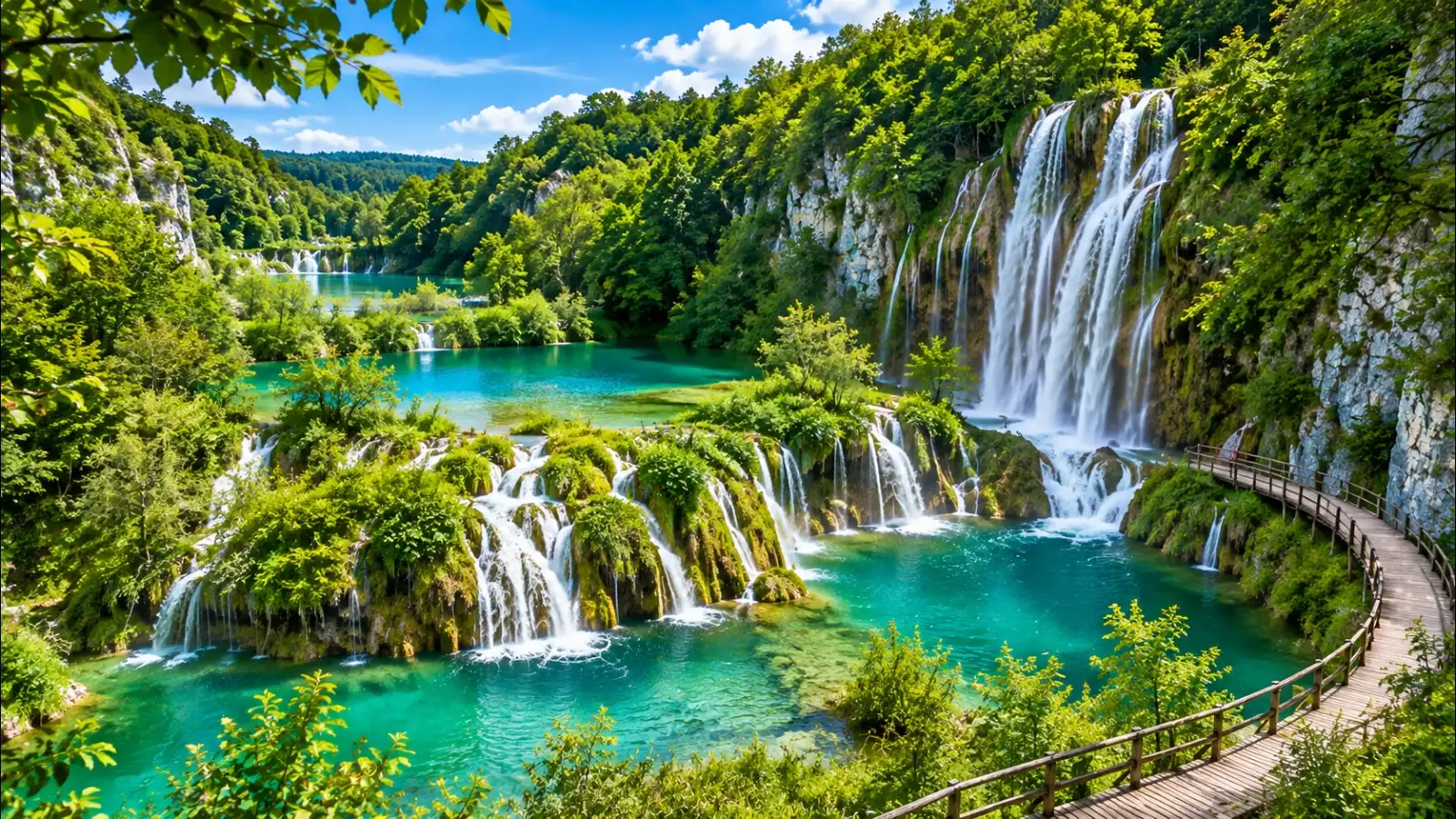
1. A Remarkable Network of Lakes and Waterfalls
One of the main reasons Plitvice Lakes is famous is its unusual arrangement of 16 named lakes connected by streams, cascades and waterfalls. These lakes are traditionally divided into the Upper Lakes and Lower Lakes.
Water flows from one lake to another through natural limestone barriers, creating a constantly changing landscape. Some waterfalls are small and gentle, while others plunge dramatically between rocky formations. This interconnected system gives visitors the opportunity to experience different waterfalls and lake views along the park's walking routes.
2. The Famous Veliki Slap Waterfall
Veliki Slap, meaning Big Waterfall, is one of the most recognisable attractions in the national park. Located in the Lower Lakes area, it is the tallest waterfall in Croatia, with a drop of approximately 78 metres.
The waterfall is formed by the Plitvica stream as it plunges down a steep limestone cliff. Its impressive height and surrounding greenery make it one of the most photographed spots in the region. Visitors can enjoy views of the waterfall from designated paths and viewpoints.
3. Travertine Barriers Create Natural Cascades
The waterfalls of Plitvice Lakes are not simply the result of rivers flowing over ordinary rocks. They are shaped by a fascinating geological process involving travertine, a type of limestone deposit.
As water moves through the landscape, minerals such as calcium carbonate gradually settle on submerged surfaces. Mosses, algae and microorganisms help support this process, allowing natural barriers to develop over time.
These barriers grow and change, creating new cascades and altering the flow of water. This ongoing process is one of the reasons the Plitvice landscape continues to evolve.
4. Beautiful Colours of the Lakes
The lakes of Plitvice are known for their striking shades of blue, green and turquoise. Their colours change depending on sunlight, water depth, minerals and the presence of microorganisms.
The clear water allows visitors to see submerged plants, branches and natural formations beneath the surface. These changing colours create a beautiful contrast with the surrounding forests and pale limestone formations.
5. A Landscape Surrounded by Lush Forests
The waterfalls are only one part of the region's natural beauty. Plitvice Lakes National Park is surrounded by extensive forests containing beech, fir and spruce trees.
These woodlands provide habitats for numerous species of birds, mammals and other wildlife. Brown bears, wolves and lynx inhabit the wider park region, although sightings are uncommon. The forest environment also contributes to the peaceful atmosphere that makes the area so appealing.
6. Wooden Walkways Offer Close-Up Views
Plitvice Lakes has a network of wooden walkways, footbridges and marked hiking trails that allow visitors to explore the landscape without disturbing its fragile environment.
Some paths pass close to waterfalls, while others cross shallow sections of water or wind through forested areas. The walkways offer different perspectives of the lakes and cascades, making the experience particularly rewarding for photographers.
Visitors should remain on designated routes and avoid entering the water, as swimming is prohibited in the national park.
7. A UNESCO World Heritage Site
Plitvice Lakes National Park received UNESCO World Heritage status in 1979 because of its outstanding natural features and geological significance. Its interconnected lakes, waterfalls and constantly developing travertine barriers make it an important example of natural landscape formation.
The recognition has also helped highlight the importance of protecting the area's ecosystems. Conservation measures and visitor regulations are in place to preserve its natural environment for future generations.
Best Time to Visit Plitvice Lakes
Plitvice Lakes is beautiful throughout the year, but each season offers a different experience. Spring brings strong water flow and fresh greenery, while summer offers pleasant conditions for walking and exploring the trails. Autumn transforms the surrounding forests with shades of yellow, orange and red. Winter can bring snow and frozen waterfalls, creating a dramatic landscape, although some routes and facilities may have limited access.
1. A Remarkable Network of Lakes and Waterfalls
One of the main reasons Plitvice Lakes is famous is its unusual arrangement of 16 named lakes connected by streams, cascades and waterfalls. These lakes are traditionally divided into the Upper Lakes and Lower Lakes.
Water flows from one lake to another through natural limestone barriers, creating a constantly changing landscape. Some waterfalls are small and gentle, while others plunge dramatically between rocky formations. This interconnected system gives visitors the opportunity to experience different waterfalls and lake views along the park's walking routes.
2. The Famous Veliki Slap Waterfall
Veliki Slap, meaning Big Waterfall, is one of the most recognisable attractions in the national park. Located in the Lower Lakes area, it is the tallest waterfall in Croatia, with a drop of approximately 78 metres.
The waterfall is formed by the Plitvica stream as it plunges down a steep limestone cliff. Its impressive height and surrounding greenery make it one of the most photographed spots in the region. Visitors can enjoy views of the waterfall from designated paths and viewpoints.
3. Travertine Barriers Create Natural Cascades
The waterfalls of Plitvice Lakes are not simply the result of rivers flowing over ordinary rocks. They are shaped by a fascinating geological process involving travertine, a type of limestone deposit.
As water moves through the landscape, minerals such as calcium carbonate gradually settle on submerged surfaces. Mosses, algae and microorganisms help support this process, allowing natural barriers to develop over time.
These barriers grow and change, creating new cascades and altering the flow of water. This ongoing process is one of the reasons the Plitvice landscape continues to evolve.
4. Beautiful Colours of the Lakes
The lakes of Plitvice are known for their striking shades of blue, green and turquoise. Their colours change depending on sunlight, water depth, minerals and the presence of microorganisms.
The clear water allows visitors to see submerged plants, branches and natural formations beneath the surface. These changing colours create a beautiful contrast with the surrounding forests and pale limestone formations.
5. A Landscape Surrounded by Lush Forests
The waterfalls are only one part of the region's natural beauty. Plitvice Lakes National Park is surrounded by extensive forests containing beech, fir and spruce trees.
These woodlands provide habitats for numerous species of birds, mammals and other wildlife. Brown bears, wolves and lynx inhabit the wider park region, although sightings are uncommon. The forest environment also contributes to the peaceful atmosphere that makes the area so appealing.
6. Wooden Walkways Offer Close-Up Views
Plitvice Lakes has a network of wooden walkways, footbridges and marked hiking trails that allow visitors to explore the landscape without disturbing its fragile environment.
You may also like
- Priyanka Chopra takes Malti on a wildlife adventure at a zoo, where feeding kangaroos and cuddling koalas become lessons in curiosity and how parents can teach children to love and respect animals
- Can Babies Wear Woollen Clothes Directly?
- 8th Pay Commission: Will everyone receive Rs 3.4 lakh? Major revelation in a report
- Canceling a GST registration will become easier starting December 1—no need for official approval!
- Sleep Debt and What It Actually Costs a Training Week
Some paths pass close to waterfalls, while others cross shallow sections of water or wind through forested areas. The walkways offer different perspectives of the lakes and cascades, making the experience particularly rewarding for photographers.
Visitors should remain on designated routes and avoid entering the water, as swimming is prohibited in the national park.
7. A UNESCO World Heritage Site
Plitvice Lakes National Park received UNESCO World Heritage status in 1979 because of its outstanding natural features and geological significance. Its interconnected lakes, waterfalls and constantly developing travertine barriers make it an important example of natural landscape formation.
The recognition has also helped highlight the importance of protecting the area's ecosystems. Conservation measures and visitor regulations are in place to preserve its natural environment for future generations.
Best Time to Visit Plitvice Lakes
Plitvice Lakes is beautiful throughout the year, but each season offers a different experience. Spring brings strong water flow and fresh greenery, while summer offers pleasant conditions for walking and exploring the trails. Autumn transforms the surrounding forests with shades of yellow, orange and red. Winter can bring snow and frozen waterfalls, creating a dramatic landscape, although some routes and facilities may have limited access.






Loving Newspoint? Download the app now
