
Why Portion Control Matters For Dogs And How The Right Amount Can Support Better Health

Feeding a dog is about more than simply filling a bowl whenever it looks empty. The amount of food a dog needs can vary considerably depending on its age, size, activity level, health and the type of food being served. Giving too much food regularly may contribute to excess weight, while too little can leave nutritional requirements unmet. That is why portion control for dogs is an important part of responsible pet care. Measuring meals, keeping treats in check and paying attention to changes in body condition can help owners make feeding routines more consistent. According to experts, a dog’s ideal intake should be considered alongside its individual needs rather than relying solely on how much it appears to want to eat.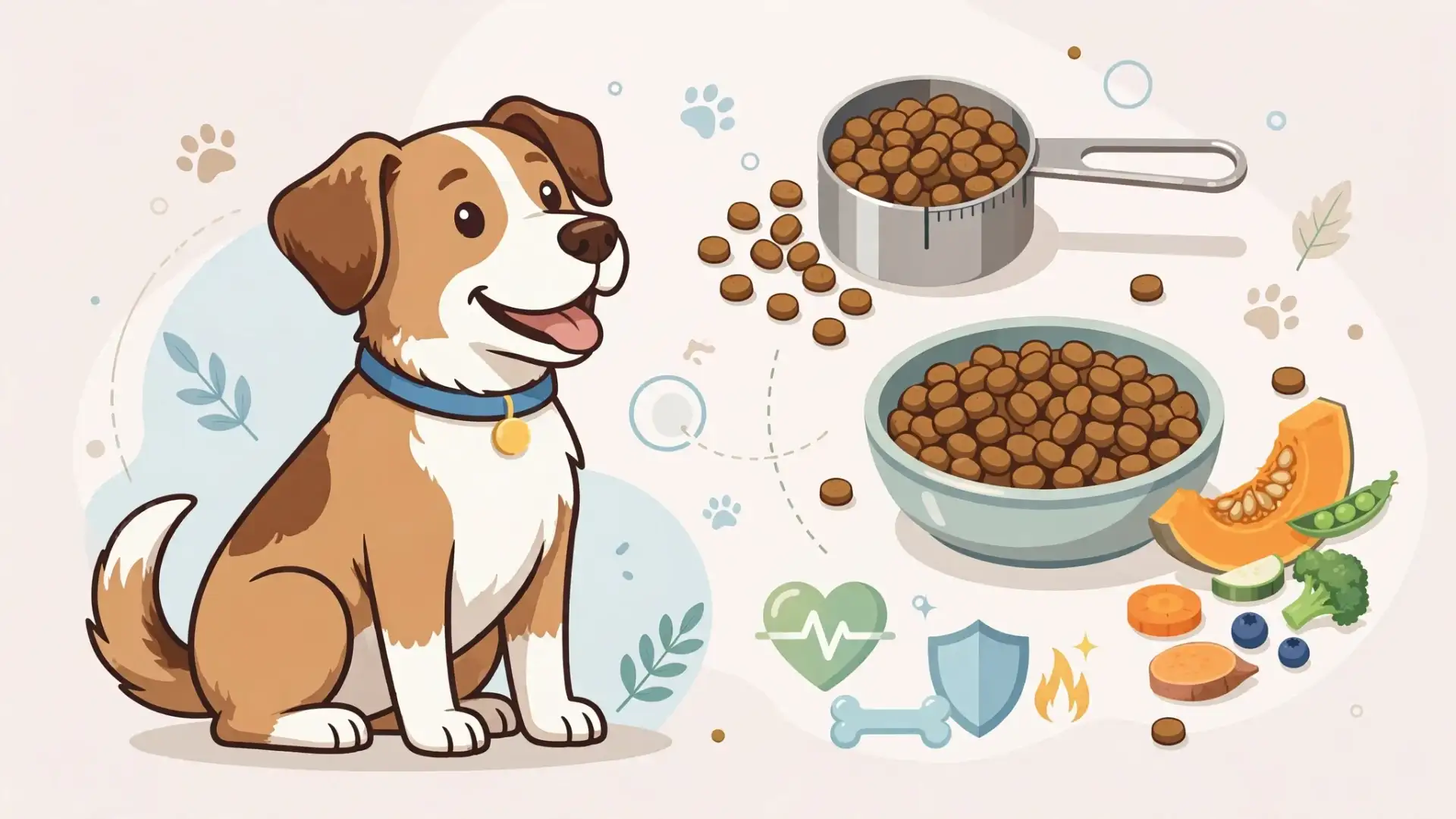
Excess weight can place additional strain on a dog’s body and may affect mobility and general wellbeing. Maintaining an appropriate dog portion size can therefore be an important part of supporting healthy weight management.
Puppies, highly active dogs and older dogs can have different nutritional requirements. According to pet nutrition experts, owners should also consider whether their dog is receiving calories from treats, chews or human food when assessing its overall daily intake.
Treats should also be included when considering a dog’s daily food intake. Industry observers note that frequent treats can quietly increase calorie consumption, particularly when owners use them throughout the day for training or rewards.
If your dog gains or loses weight unexpectedly, becomes unusually hungry or shows other changes in eating habits, consult a veterinarian. Dietary requirements can change with age, activity, medical conditions and lifestyle.
Good feeding habits are not about giving a dog less food simply for the sake of restriction. The aim is to provide an appropriate amount of a nutritionally complete diet while accounting for treats and individual needs. Consistent portion control can make a healthy dog diet easier to maintain over the long term.
Image Courtesy: Meta AI
Why The Right Portion Matters
Dogs do not always regulate their food intake according to what their bodies need. Some may continue eating when food is available, making it easy for owners to unintentionally overfeed them.Excess weight can place additional strain on a dog’s body and may affect mobility and general wellbeing. Maintaining an appropriate dog portion size can therefore be an important part of supporting healthy weight management.
How Much Should Your Dog Eat?
There is no single portion that works for every dog. Food packaging usually provides feeding guidelines based on factors such as body weight, but these recommendations may need to be adjusted according to activity levels and individual circumstances.Puppies, highly active dogs and older dogs can have different nutritional requirements. According to pet nutrition experts, owners should also consider whether their dog is receiving calories from treats, chews or human food when assessing its overall daily intake.
You may also like
- In October 2025, an insect enthusiast found three mosquitoes in his backyard; the discovery ended Iceland's status as one of 'Earth's last mosquito-free destinations'
- How much cash can you deposit into your account in a year? Know the bank rules and their implications...
- Want a stronger bond with your child? Join Times Parenting's free webinar with Juhi Parmar to learn the art of meaningful connection
- Mutual Fund vs EPF vs PPF vs NPS: Need money in an emergency? Find out which investment allows for the quickest withdrawal..
- Warning Before Surrendering LIC Policy: Understand the Significant Financial Loss
Measure Food Instead Of Guessing
Using a measuring cup or, where appropriate, a kitchen scale can make feeding more consistent. Simply estimating a portion by eye can result in noticeably different quantities from one meal to another.Treats should also be included when considering a dog’s daily food intake. Industry observers note that frequent treats can quietly increase calorie consumption, particularly when owners use them throughout the day for training or rewards.
Watch Your Dog’s Body Condition
The number on a weighing scale is useful, but it is not the only consideration. A dog’s body shape, muscle condition and overall appearance can also provide clues about whether its feeding routine is appropriate.If your dog gains or loses weight unexpectedly, becomes unusually hungry or shows other changes in eating habits, consult a veterinarian. Dietary requirements can change with age, activity, medical conditions and lifestyle.
Good feeding habits are not about giving a dog less food simply for the sake of restriction. The aim is to provide an appropriate amount of a nutritionally complete diet while accounting for treats and individual needs. Consistent portion control can make a healthy dog diet easier to maintain over the long term.
Image Courtesy: Meta AI






Loving Newspoint? Download the app now
