
Is Quinoa the Best Plant-Based Protein? Yes, Here’s Why

For vegetarians looking to meet their protein requirements without relying on animal products, quinoa is a nutritional game-changer. Often referred to as a superfood, quinoa (pronounced KEEN-wah) is a gluten-free grain that has earned a permanent place on health-conscious plates—and for good reason.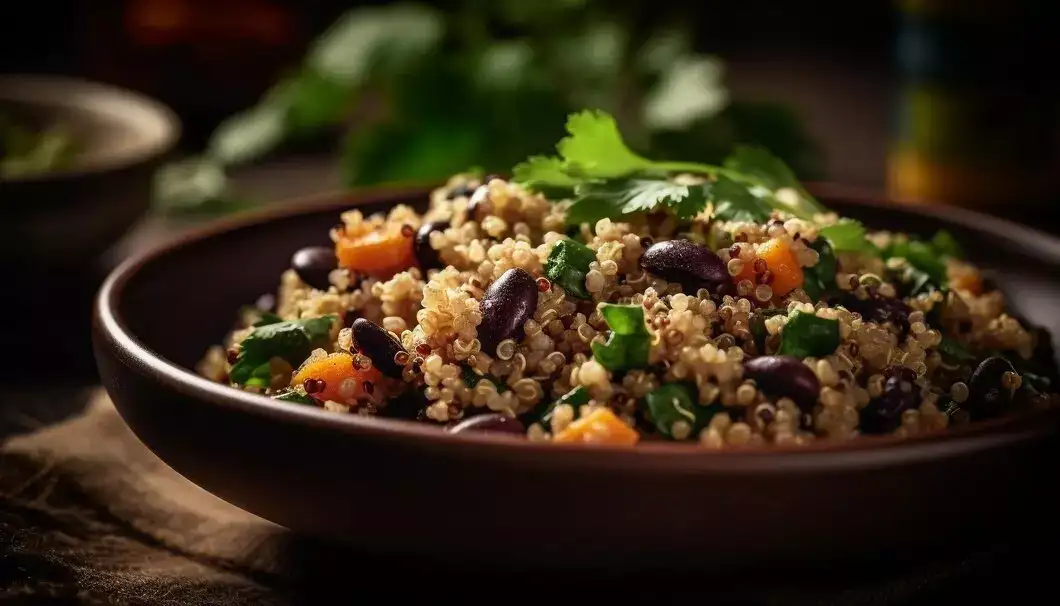
A Complete Protein Source
What makes quinoa truly stand out among plant-based foods is that it is a complete protein. This means it contains all nine essential amino acids that the human body cannot produce on its own. Most plant-based foods are deficient in one or more of these essential amino acids, which is why vegetarians often have to combine different food groups to get complete protein. With quinoa, that’s not necessary.
Rich in Nutrients
Apart from being protein-rich, quinoa is loaded with other essential nutrients. It’s a great source of iron, magnesium, fiber, B-vitamins, and antioxidants. One cup of cooked quinoa provides about 8 grams of protein, which is significantly higher than other grains like rice or wheat.
Easy to Cook and Versatile
Another reason quinoa is ideal for vegetarians is its versatility. It cooks in under 20 minutes and can be added to a variety of dishes—salads, soups, stir-fries, or even desserts. It has a slightly nutty flavor that pairs well with both savory and sweet ingredients, making it easy to include in daily meals.
Supports Muscle Repair and Growth
Because quinoa contains all essential amino acids, especially lysine, which is vital for tissue growth and repair, it supports muscle maintenance and recovery—something that active individuals and fitness enthusiasts often look for in a protein source.
Gluten-Free and Easy to Digest
Quinoa is naturally gluten-free, making it suitable for people with celiac disease or gluten intolerance. It is also easy on the stomach and light to digest, unlike some legumes or processed plant proteins that can cause bloating.
Environmentally Friendly Protein Option
Quinoa farming generally has a lower environmental impact compared to animal-based protein sources. For vegetarians who are environmentally conscious, this adds another layer of appeal to this humble seed.
In conclusion, quinoa is not only a powerhouse of plant protein but also a complete package of essential nutrients, versatility, and sustainability—making it a perfect choice for vegetarians.
A Complete Protein Source
What makes quinoa truly stand out among plant-based foods is that it is a complete protein. This means it contains all nine essential amino acids that the human body cannot produce on its own. Most plant-based foods are deficient in one or more of these essential amino acids, which is why vegetarians often have to combine different food groups to get complete protein. With quinoa, that’s not necessary.
Rich in Nutrients
Apart from being protein-rich, quinoa is loaded with other essential nutrients. It’s a great source of iron, magnesium, fiber, B-vitamins, and antioxidants. One cup of cooked quinoa provides about 8 grams of protein, which is significantly higher than other grains like rice or wheat.
You may also like
- You will now have to pay 5 paise per minute for this call; why is TRAI's new rule generating so much discussion?
- Bengaluru vs Delhi: Couple compares 4 years in the southern city with 6 years in the capital, says, "Bangalore wins all points in safety, but..."
- Anand Mahindra shares a stunning view from this hill station that looks like the road leads to the end of a rainbow, “Some destinations are not meant to be reached”
- God, Fate And Nepal Catastrophe
- Bank Strike: Finance Ministry appeals regarding the September 28–30 bank strike; makes this proposal to bank employees..
Easy to Cook and Versatile
Another reason quinoa is ideal for vegetarians is its versatility. It cooks in under 20 minutes and can be added to a variety of dishes—salads, soups, stir-fries, or even desserts. It has a slightly nutty flavor that pairs well with both savory and sweet ingredients, making it easy to include in daily meals.
Supports Muscle Repair and Growth
Because quinoa contains all essential amino acids, especially lysine, which is vital for tissue growth and repair, it supports muscle maintenance and recovery—something that active individuals and fitness enthusiasts often look for in a protein source.
Gluten-Free and Easy to Digest
Quinoa is naturally gluten-free, making it suitable for people with celiac disease or gluten intolerance. It is also easy on the stomach and light to digest, unlike some legumes or processed plant proteins that can cause bloating.
Environmentally Friendly Protein Option
Quinoa farming generally has a lower environmental impact compared to animal-based protein sources. For vegetarians who are environmentally conscious, this adds another layer of appeal to this humble seed.
In conclusion, quinoa is not only a powerhouse of plant protein but also a complete package of essential nutrients, versatility, and sustainability—making it a perfect choice for vegetarians.






Loving Newspoint? Download the app now
