
Why Ragi Is Considered One of India's Most Nutritious Millets for Everyday Health

Ragi, also known as finger millet, has been part of traditional Indian diets for generations. Popular in states such as Karnataka, Tamil Nadu, Andhra Pradesh and Maharashtra, this small-grained millet is valued for its nutritional content and versatility. It can be turned into porridge, rotis, dosas, idlis and several other everyday dishes. What makes ragi particularly interesting is its naturally high calcium content, along with dietary fibre, plant-based protein and essential minerals. As more people explore traditional grains and diverse food choices, ragi is receiving renewed attention as a nutritious ingredient that fits easily into modern Indian meals.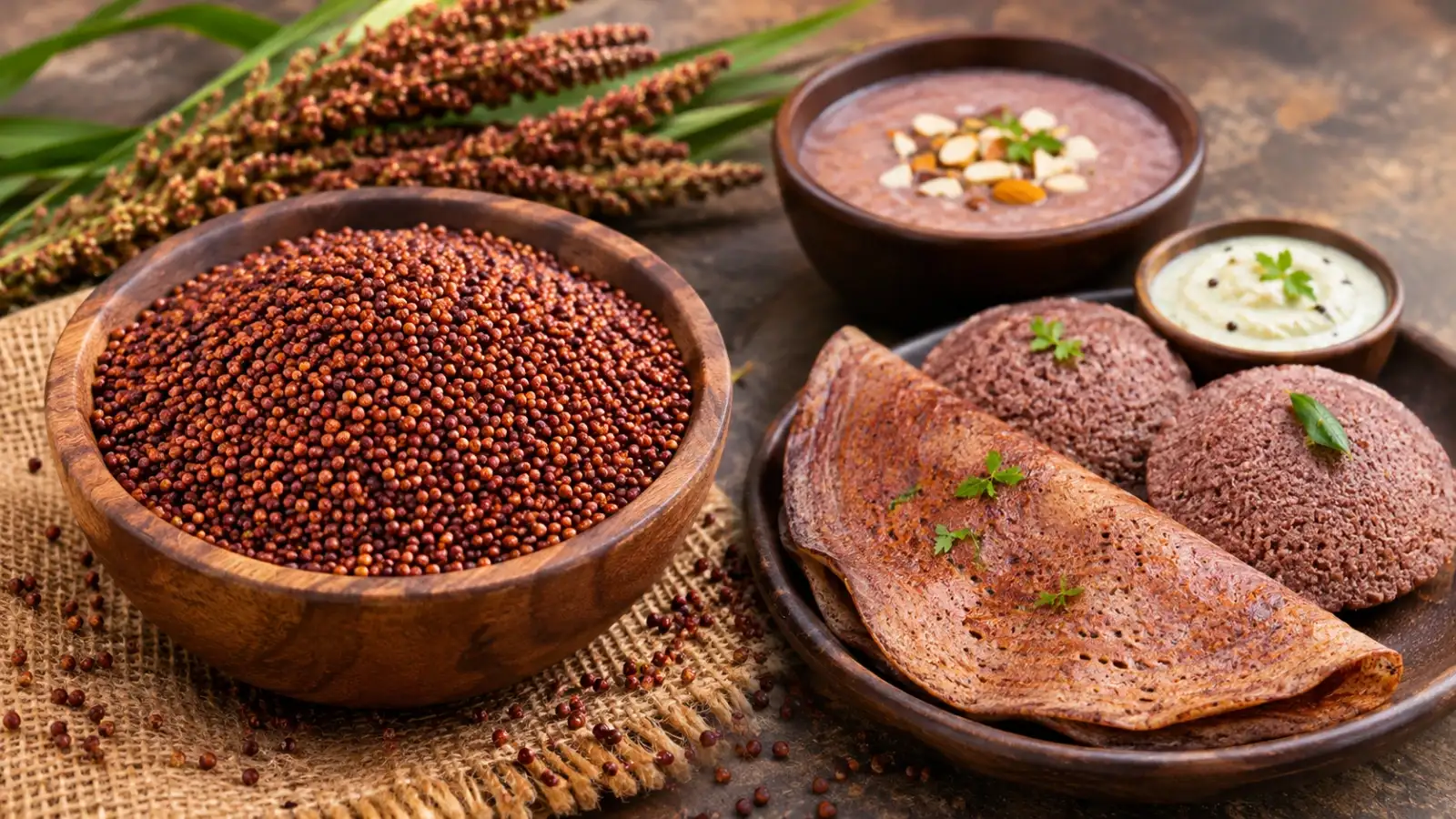
This mineral is essential for maintaining healthy bones and teeth, supporting muscle function and helping nerves transmit signals. Including ragi as part of a varied diet can contribute to daily calcium intake, particularly for people looking for plant-based food sources.
Fibre also contributes to a feeling of fullness after meals. Including fibre-rich foods such as ragi, vegetables, fruits and pulses in everyday meals can support a balanced eating pattern.
Although it is not as protein-rich as pulses, soybeans or dairy products, it can contribute to overall protein intake when combined with other foods such as dal, curd and chickpeas.
However, the absorption of iron from plant foods can be limited by compounds such as phytates. Combining ragi-based meals with vitamin C-rich foods, such as lemon, tomatoes or amla, can help improve non-haem iron absorption.
However, its glycaemic response varies according to the recipe, cooking method, portion size and other ingredients. People managing diabetes should consider the overall meal rather than assuming that every ragi preparation is automatically suitable.
It can be used to prepare rotis, dosas, porridge, pancakes and baked snacks. People with coeliac disease should still check packaging and preparation practices to avoid cross-contamination with wheat, barley or other gluten-containing grains.
These compounds help protect cells against oxidative damage in laboratory settings. The amount and availability of these compounds can vary depending on the variety and processing method.
For example, ragi porridge prepared with milk or a savoury ragi dosa served with vegetable sambar can provide a filling combination of nutrients.
Its resilience makes it an important crop for farmers in certain semi-arid areas. Supporting the consumption of locally grown millets can also help maintain traditional agricultural knowledge and food diversity.
1. Naturally Rich in Calcium
One of the most recognised nutritional qualities of ragi is its calcium content. Compared with many commonly consumed cereals, finger millet contains considerably more calcium.This mineral is essential for maintaining healthy bones and teeth, supporting muscle function and helping nerves transmit signals. Including ragi as part of a varied diet can contribute to daily calcium intake, particularly for people looking for plant-based food sources.
2. Provides Dietary Fibre for Digestion
Ragi contains dietary fibre, which supports normal digestion and helps maintain regular bowel movements.Fibre also contributes to a feeling of fullness after meals. Including fibre-rich foods such as ragi, vegetables, fruits and pulses in everyday meals can support a balanced eating pattern.
3. Contains Plant-Based Protein
Ragi provides plant-based protein, which the body needs for muscle maintenance, tissue repair and several other functions.Although it is not as protein-rich as pulses, soybeans or dairy products, it can contribute to overall protein intake when combined with other foods such as dal, curd and chickpeas.
4. A Source of Iron and Other Minerals
Finger millet contains minerals such as iron, magnesium and phosphorus. These nutrients perform different roles in the body, including supporting oxygen transport, energy metabolism and bone health.However, the absorption of iron from plant foods can be limited by compounds such as phytates. Combining ragi-based meals with vitamin C-rich foods, such as lemon, tomatoes or amla, can help improve non-haem iron absorption.
5. Can Be Useful for Blood Sugar Management
Ragi contains complex carbohydrates and dietary fibre. Depending on how it is processed and prepared, ragi-based foods may have a slower effect on blood glucose than some refined cereal products.However, its glycaemic response varies according to the recipe, cooking method, portion size and other ingredients. People managing diabetes should consider the overall meal rather than assuming that every ragi preparation is automatically suitable.
6. Naturally Gluten-Free
Ragi is naturally gluten-free, making it an alternative grain for people who need to avoid gluten.It can be used to prepare rotis, dosas, porridge, pancakes and baked snacks. People with coeliac disease should still check packaging and preparation practices to avoid cross-contamination with wheat, barley or other gluten-containing grains.
7. Contains Antioxidant Plant Compounds
Ragi contains naturally occurring plant compounds, including polyphenols, which have antioxidant properties.You may also like
- Ration Card Complaint 2026: Not getting your ration or is the dealer making a mistake? Now you can complain to officials on Webex
- Solar Panels: Can exposure to overnight dew in winter reduce their lifespan?
- Train ticket booking stalled; IRCTC, Rail One, and Rail Connect all down.
- In 2020, Prachi Shirodkar switched from architecture to storytelling; six years later, the 28-year-old's low-budget film on Goa's goldsmiths has won awards and been screened internationally
- Thanksgiving wellness: Enjoy mashed potatoes guilt‑free, but how to balance indulgence?
These compounds help protect cells against oxidative damage in laboratory settings. The amount and availability of these compounds can vary depending on the variety and processing method.
8. Supports a Feeling of Fullness
Meals containing fibre and complex carbohydrates can help people feel satisfied for longer. Ragi can therefore be a useful ingredient in balanced breakfasts and main meals.For example, ragi porridge prepared with milk or a savoury ragi dosa served with vegetable sambar can provide a filling combination of nutrients.
9. Fits Easily Into Traditional Indian Recipes
One reason ragi has remained popular is its versatility in Indian cooking. Different regions use it in a variety of traditional preparations.- Ragi mudde: A traditional Karnataka preparation made by cooking ragi flour with water.
- Ragi dosa: A savoury pancake that can be served with coconut chutney and sambar.
- Ragi roti: A flatbread that pairs well with vegetable curries.
- Ragi porridge: A simple breakfast preparation made with water or milk.
- Ragi idli: A variation of the familiar South Indian steamed breakfast dish.
10. A Traditional Grain With Sustainable Potential
Ragi is also valued for its agricultural characteristics. It can grow in relatively dry conditions and is cultivated in several parts of India, particularly in regions where water availability can be limited.Its resilience makes it an important crop for farmers in certain semi-arid areas. Supporting the consumption of locally grown millets can also help maintain traditional agricultural knowledge and food diversity.
How to Include Ragi in Your Daily Diet
- Replace a portion of refined flour with ragi flour when preparing rotis.
- Enjoy ragi porridge with milk, nuts or seasonal fruits.
- Prepare ragi dosa or idli for breakfast.
- Add ragi flour to homemade pancakes and savoury snacks.
- Combine ragi-based meals with pulses, vegetables and dairy products for a more balanced diet.






Loving Newspoint? Download the app now
