
Why Rain Smells So Good: The Science Behind Petrichor

Almost everyone recognizes the crisp, earthy scent that fills the air just as a sudden summer downpour hits dry soil. That fresh, comforting aroma is known as petrichor, a term created in nineteen sixty-four by two Australian researchers studying environmental scents. The word combines two Greek terms, petra meaning stone, and ichor, which refers to the ethereal fluid that flowed in the veins of ancient gods.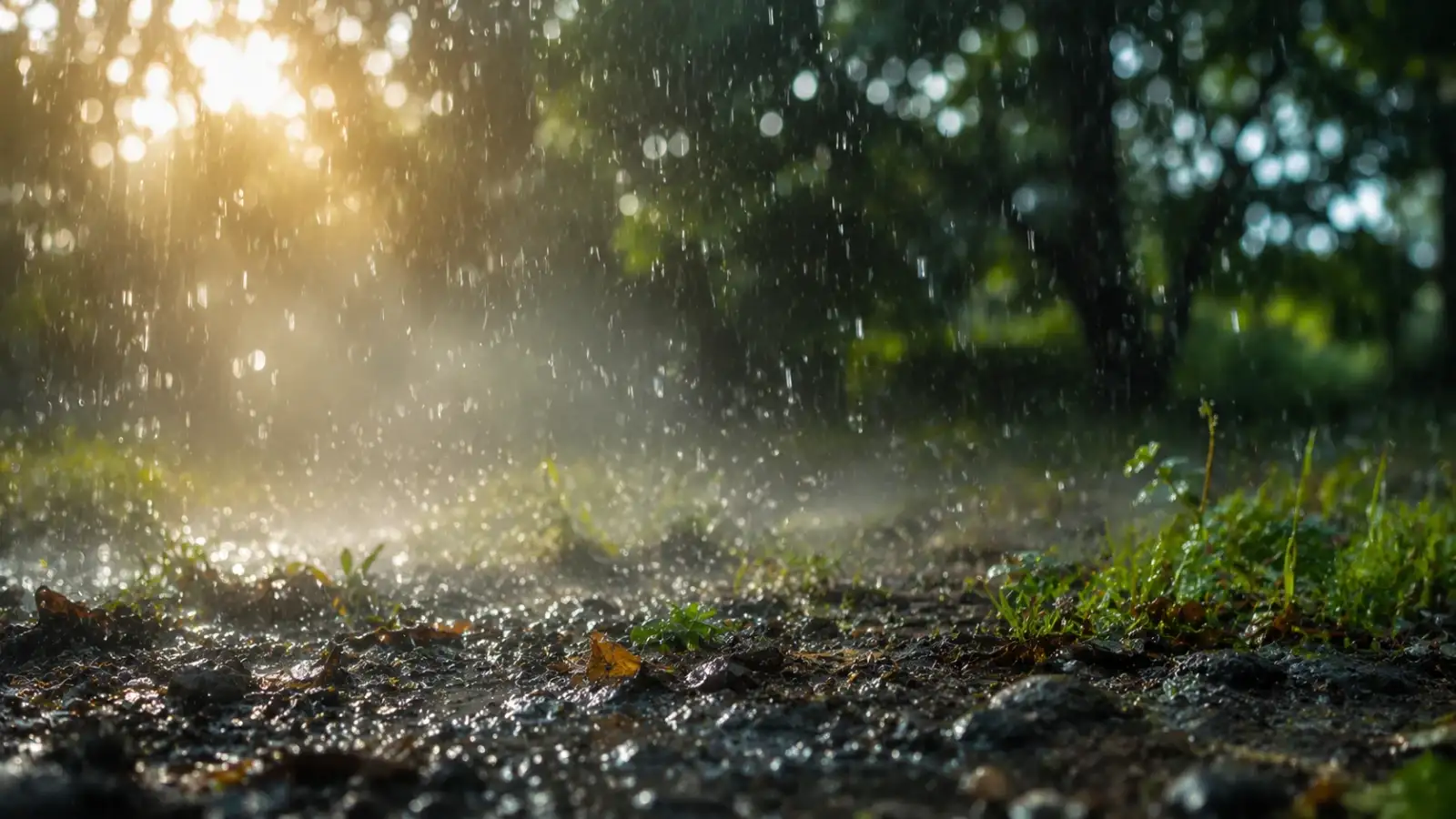
Far from being a simple trick of human imagination, petrichor is a complex cocktail of chemical compounds produced by plants, soil microbes, and atmospheric lightning interactions. When water drops hit dusty ground, these stored natural oils release into the air, creating a rich sensory experience that humans across the globe love instantly.
The Powerful Role of Geosmin and Soil Microbes
The primary chemical ingredient behind the deep earthy aroma of petrichor is an organic compound called geosmin. Geosmin is produced by specific soil-dwelling bacteria known as actinomycetes, alongside various blue-green algae species. During long dry spells, these microscopic organisms slow down their activity and produce geosmin as a survival byproduct. The chemical settles into surrounding soil and porous rocks until rain arrives.
Human noses are exceptionally sensitive to geosmin, capable of detecting its presence even when diluted to a few parts per trillion in ambient air. The sudden arrival of raindrops acts like an aerosol spray, lifting microscopic geosmin bubbles out of dry soil pockets and launching them straight into our breathing space.
Plant Oils and Seasonal Secretions in Dry Soil
In addition to microbial geosmin, plant life contributes significantly to the unique scent of rain. During extended periods of drought, many plant species secrete natural oils to protect surrounding soil and stop seeds from sprouting prematurely in hostile, dry conditions.
These botanical oils accumulate on rocks, soil surfaces, and dry pavement over warm summer weeks. When raindrops crash into dusty surfaces, they mix with these trapped botanical secretions. The physical impact of falling water sends tiny airborne droplets containing concentrated plant oils into the surrounding breeze. This sweet, resinous floral note blends with earthy geosmin to form the complete profile of petrichor.
Ozone Formation and Atmospheric Lightning Strikes
Sometimes you can smell an incoming rainstorm before a single drop of water hits your face. That sharp, clean, slightly metallic scent blowing in on early storm winds is caused by ozone gas. During high-voltage lightning strikes, electrical discharges split nitrogen and oxygen molecules floating in the upper atmosphere.
Free oxygen atoms quickly recombine to form ozone, a molecule with a distinct, pungent aroma that resembles fresh bleach or clean laundry. Powerful storm downdrafts pull ozone gas down from higher atmospheric levels to ground level, signaling to our senses that a heavy thunderstorm is approaching well before rainfall reaches our immediate area.
Evolutionary Psychology and Human Attachment to Rain
Why do humans find petrichor so deeply comforting and refreshing? Evolutionary psychologists suggest that our emotional connection to the scent of rain is an ancient survival adaptation passed down from our ancestors. For early human hunter-gatherers, the arrival of rain marked the end of dangerous droughts, signaling abundant fresh drinking water, lush vegetation growth, and returning game animals.
Associating the smell of petrichor with life, safety, and food security created an internal feeling of relief that remains hardwired into our brains today. Smelling fresh rain continues to bring a soothing sense of peace, connecting modern societies directly to the ancient rhythms of Earth.
Far from being a simple trick of human imagination, petrichor is a complex cocktail of chemical compounds produced by plants, soil microbes, and atmospheric lightning interactions. When water drops hit dusty ground, these stored natural oils release into the air, creating a rich sensory experience that humans across the globe love instantly.
The Powerful Role of Geosmin and Soil Microbes
The primary chemical ingredient behind the deep earthy aroma of petrichor is an organic compound called geosmin. Geosmin is produced by specific soil-dwelling bacteria known as actinomycetes, alongside various blue-green algae species. During long dry spells, these microscopic organisms slow down their activity and produce geosmin as a survival byproduct. The chemical settles into surrounding soil and porous rocks until rain arrives.
Human noses are exceptionally sensitive to geosmin, capable of detecting its presence even when diluted to a few parts per trillion in ambient air. The sudden arrival of raindrops acts like an aerosol spray, lifting microscopic geosmin bubbles out of dry soil pockets and launching them straight into our breathing space.
You may also like
- Do fruits lose their nutrients when kept in the refrigerator? For how many days is it right to store them?
- What Happens to Your Body When You Quit Sugar for 30 Days, Key Health Changes and Benefits
- Breathing Hazard: Reducing PM 2.5 Exposure Can Lower Global Lung Cancer Risks, New Study Reveals
- Working Out Daily Without Results, Avoid These 5 Common Post-Workout Mistakes Holding You Back
- Climate Change Threat: Rising Ocean Temperatures Could Cut Omega-3 Levels in Fish by Up to 50%
Plant Oils and Seasonal Secretions in Dry Soil
In addition to microbial geosmin, plant life contributes significantly to the unique scent of rain. During extended periods of drought, many plant species secrete natural oils to protect surrounding soil and stop seeds from sprouting prematurely in hostile, dry conditions.
These botanical oils accumulate on rocks, soil surfaces, and dry pavement over warm summer weeks. When raindrops crash into dusty surfaces, they mix with these trapped botanical secretions. The physical impact of falling water sends tiny airborne droplets containing concentrated plant oils into the surrounding breeze. This sweet, resinous floral note blends with earthy geosmin to form the complete profile of petrichor.
Ozone Formation and Atmospheric Lightning Strikes
Sometimes you can smell an incoming rainstorm before a single drop of water hits your face. That sharp, clean, slightly metallic scent blowing in on early storm winds is caused by ozone gas. During high-voltage lightning strikes, electrical discharges split nitrogen and oxygen molecules floating in the upper atmosphere.
Free oxygen atoms quickly recombine to form ozone, a molecule with a distinct, pungent aroma that resembles fresh bleach or clean laundry. Powerful storm downdrafts pull ozone gas down from higher atmospheric levels to ground level, signaling to our senses that a heavy thunderstorm is approaching well before rainfall reaches our immediate area.
Evolutionary Psychology and Human Attachment to Rain
Why do humans find petrichor so deeply comforting and refreshing? Evolutionary psychologists suggest that our emotional connection to the scent of rain is an ancient survival adaptation passed down from our ancestors. For early human hunter-gatherers, the arrival of rain marked the end of dangerous droughts, signaling abundant fresh drinking water, lush vegetation growth, and returning game animals.
Associating the smell of petrichor with life, safety, and food security created an internal feeling of relief that remains hardwired into our brains today. Smelling fresh rain continues to bring a soothing sense of peace, connecting modern societies directly to the ancient rhythms of Earth.






Loving Newspoint? Download the app now
