
Oxygen, Carbon and Real Science: Why Rainforests Are Called the Lungs of the Planet

For decades, environmental campaigns, school textbooks, and news documentaries have repeated a simple, powerful metaphor. We are constantly told that tropical jungles generate twenty percent of the oxygen we breathe, acting as the primary respiratory system for Earth . This widespread idea makes intuitive sense on the surface. Massive stretches of dense foliage like the Amazon basin absorb sunlight and pull carbon dioxide from the atmosphere, releasing vast volumes of fresh oxygen through photosynthesis. However, when atmospheric scientists look closely at how jungle ecosystems actually function, a far more nuanced picture emerges. Exploring why rainforests are called the lungs of the planet and why that phrase is more complicated than it sounds reveals the complex reality of global carbon cycles, ocean microbes, and the vital role jungles play in stabilizing global climate.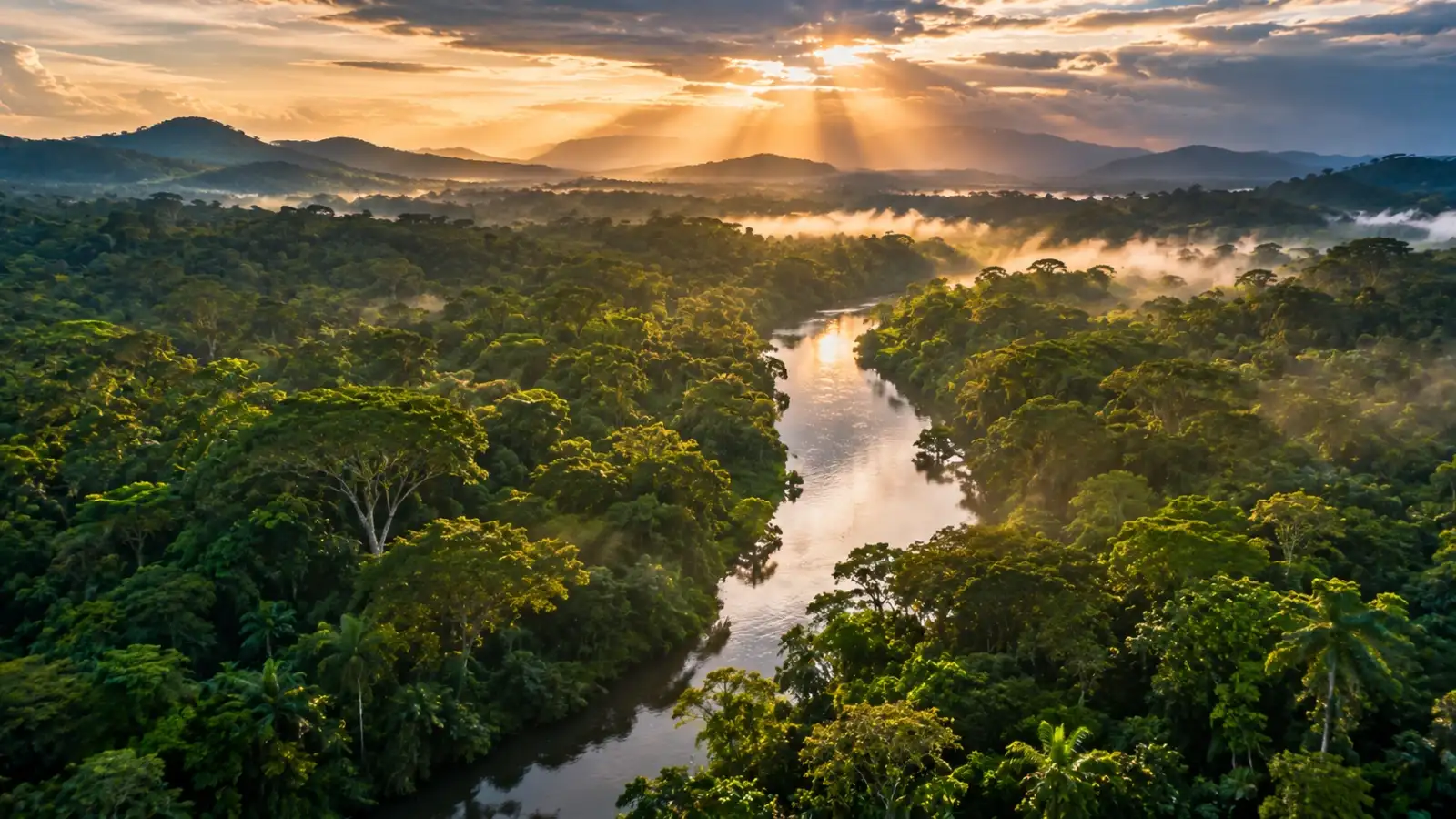
Furthermore, rainforests are teeming with animal life, insects, fungi, and microscopic soil bacteria. When dead leaves, fallen branches, and decaying animal matter drop to the humid forest floor, billions of microbes break down this organic waste. This decomposition process requires vast amounts of oxygen. When you calculate the total balance over a full year, the oxygen produced by plants is almost entirely consumed by the living organisms and decomposing microbes within the exact same forest ecosystem. The net contribution of rainforests to the breathable oxygen in our atmosphere is effectively close to zero.
These tiny marine organisms perform photosynthesis on an immense scale, generating over half of the oxygen in Earth atmosphere. Because dead marine matter often sinks to the dark ocean floor where oxygen levels are low, much of that organic material is buried in sediment before it can decompose. This ocean burial process allows the oxygen produced at the surface to remain in the atmosphere for long periods, providing the air that land animals depend on.
When humans cut down or burn these dense jungles, that locked-away carbon reacts with oxygen and rushes back into the atmosphere as carbon dioxide, accelerating global climate change. Additionally, tropical canopies generate their own weather patterns by pumping trillions of litres of water vapour into the atmosphere daily, creating flying rivers that regulate rainfall and cool the planet.
The net oxygen myth and the process of respiration
To understand why the famous metaphor is misleading, we must trace what happens to the oxygen created by dense jungle canopies. While it is true that tropical foliage produces enormous amounts of oxygen during daylight hours through photosynthesis, those same plants consume a significant portion of that oxygen during the night to stay alive.Furthermore, rainforests are teeming with animal life, insects, fungi, and microscopic soil bacteria. When dead leaves, fallen branches, and decaying animal matter drop to the humid forest floor, billions of microbes break down this organic waste. This decomposition process requires vast amounts of oxygen. When you calculate the total balance over a full year, the oxygen produced by plants is almost entirely consumed by the living organisms and decomposing microbes within the exact same forest ecosystem. The net contribution of rainforests to the breathable oxygen in our atmosphere is effectively close to zero.
You may also like
- Earn money from the comfort of your home; the government will provide ₹3 lakh—find out how to apply..
- When it comes to protein, it's about eating appropriately, not eating more, say experts
- Anand Mahindra says, “How could this state not be on top of the travel bucket list?” as 5-year-old Yato Wangnao stuns the world with his National Anthem
- A town in the Netherlands will not let you live there unless you grow food on at least half of your land
- How your daily UAE commute could expose skin to sun damage; experts weigh in
The true oxygen generators of the blue planet
If dense tropical jungles do not supply our daily breathable oxygen, where does the air in our atmosphere actually come from? The true lungs of the planet are located far away from land, hidden deep inside the oceans. Microscopic marine organisms known as phytoplankton, along with oceanic algae and cyanobacteria, drift across the upper layers of sea water.These tiny marine organisms perform photosynthesis on an immense scale, generating over half of the oxygen in Earth atmosphere. Because dead marine matter often sinks to the dark ocean floor where oxygen levels are low, much of that organic material is buried in sediment before it can decompose. This ocean burial process allows the oxygen produced at the surface to remain in the atmosphere for long periods, providing the air that land animals depend on.
Why rainforests remain essential for global climate stability
Correcting the oxygen myth does not mean tropical jungles are unimportant. In reality, rainforests perform a function that is arguably even more critical for human survival: they act as massive global carbon sinks . Over hundreds of years, living trees store billions of tonnes of carbon inside their wood, roots, and surrounding soil.When humans cut down or burn these dense jungles, that locked-away carbon reacts with oxygen and rushes back into the atmosphere as carbon dioxide, accelerating global climate change. Additionally, tropical canopies generate their own weather patterns by pumping trillions of litres of water vapour into the atmosphere daily, creating flying rivers that regulate rainfall and cool the planet.
Appreciating the true value of tropical ecosystems
Understanding why rainforests are called the lungs of the planet and why that phrase is more complicated than it sounds changes how we value nature. Tropical jungles may not be simple oxygen pumps, but they are irreplaceable climate stabilizers and biodiversity hubs. Protecting these ancient ecosystems ensures a balanced world for generations to come.





Loving Newspoint? Download the app now
