
Oxygen, Carbon and Real Science: Why Rainforests Are Called the Lungs of the Planet

For decades, environmental campaigns, school textbooks, and news documentaries have repeated a simple, powerful metaphor. We are constantly told that tropical jungles generate twenty percent of the oxygen we breathe, acting as the primary respiratory system for Earth . This widespread idea makes intuitive sense on the surface. Massive stretches of dense foliage like the Amazon basin absorb sunlight and pull carbon dioxide from the atmosphere, releasing vast volumes of fresh oxygen through photosynthesis. However, when atmospheric scientists look closely at how jungle ecosystems actually function, a far more nuanced picture emerges. Exploring why rainforests are called the lungs of the planet and why that phrase is more complicated than it sounds reveals the complex reality of global carbon cycles, ocean microbes, and the vital role jungles play in stabilizing global climate.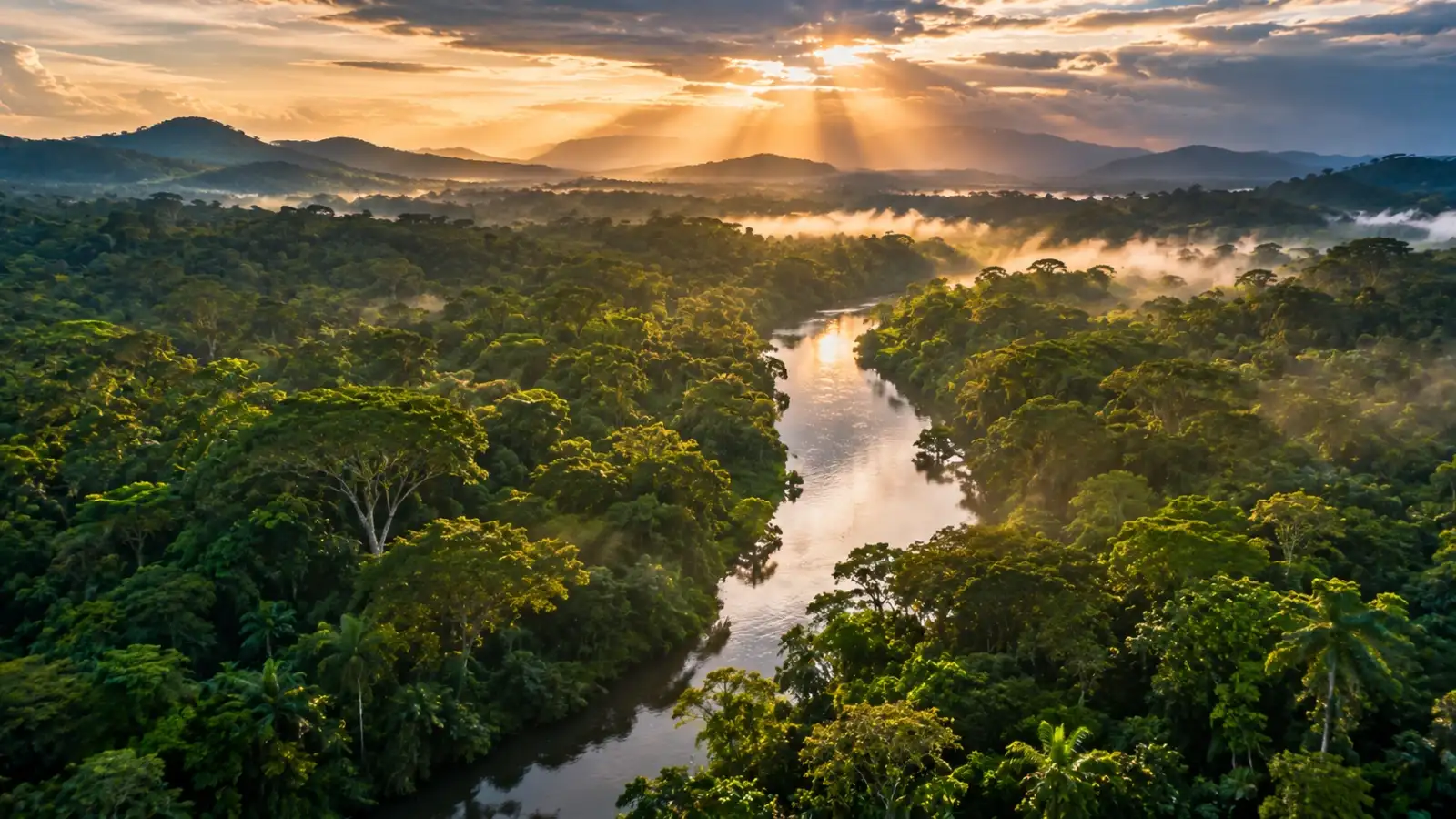
Next Story