Why Rainwater Can Be Better For Some Plants Than Tap Water

Mains tap water undergoes extensive chemical treatment to make it safe for human consumption. Municipal suppliers regularly add chlorine, chloramines and fluoride to disinfect supply lines and support public health. While these additives are completely safe for people to drink, they can prove troublesome for delicate houseplants and garden crops. Chlorine and fluoride accumulate inside potting soil over time, often causing burnt leaf tips, brown margins and spotty foliage on sensitive species like peace lilies and ferns. Natural rainwater provides pure, chemical-free hydration that keeps leaves looking green and vibrant.
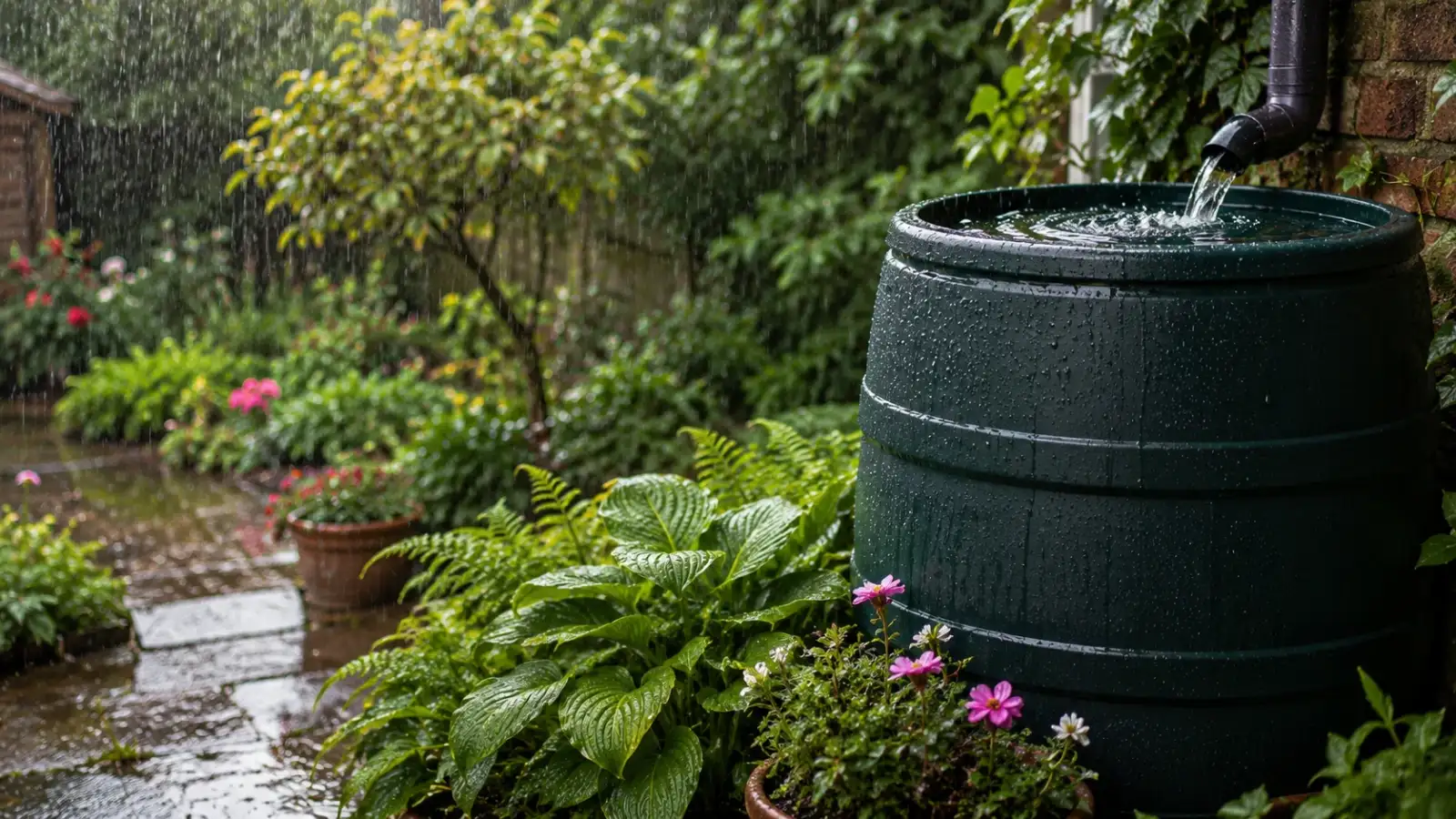
Hero Image


Absence of Hard Minerals and Salt Accumulation

In many regions, mains tap water contains high concentrations of dissolved minerals like calcium, magnesium and sodium. This so-called hard water leaves crusty white mineral deposits on outer leaves and along the inner rims of terracotta pots over time. High sodium levels alter the physical structure of soil, preventing roots from absorbing moisture efficiently. Rainwater is naturally soft water, completely free from heavy mineral salts and municipal softeners. Using rain to hydrate your garden flushes away stubborn salt deposits from potting media, creating a cleaner underground environment where delicate root systems can breathe and expand freely.


Optimal Acidity Levels for Unlocking Soil Nutrients

The pH level of irrigation water dictates how easily plants absorb vital minerals from surrounding earth. Tap water tends to be slightly alkaline to protect metal plumbing pipes from corrosion, which can gradually raise soil pH over months of regular watering. In contrast, falling raindrops absorb carbon dioxide from the surrounding atmosphere, creating a naturally mild acidity with a pH usually ranging between 5.0 and 5.5. This slight acidity dissolves locked-up soil nutrients like iron, zinc, copper and manganese, making essential minerals easily accessible to root hairs.


Naturally High Dissolved Oxygen and Atmospheric Nitrogen Content

Have you ever noticed how lush, green and erect your garden looks immediately after a storm? Raindrops falling through the sky pick up dissolved atmospheric nitrogen and oxygen along their journey. Nitrogen acts as a primary fuel for foliage development and chlorophyll production, giving leaves a rich, dark green appearance almost overnight. Furthermore, the high oxygen content in fresh rainwater prevents soil spaces from becoming stagnant and anaerobic. High oxygen levels protect root tips against destructive rot, promoting robust overall plant growth that tap water simply cannot replicate.

Gentle Foliage Cleansing and Uniform Hydration

When natural rain showers fall over outdoor gardens, they deliver broad, uniform hydration that thoroughly bathes whole plants. Gentle raindrops wash away accumulated dust, soot and microscopic pollutants from upper leaf surfaces, opening up blocked stomata pores. Clean leaves absorb sunlight far more efficiently, directly accelerating the photosynthesis process. Collecting this clean natural resource in rain barrels allows you to feed your green companions pure, temperature-matched water all year round, lowering your household utility bills while giving your greenery the absolute best conditions to thrive naturally.