
Why Salzburg Is One of Austria's Most Fascinating Cultural Destinations

Salzburg is a city where history, music and architecture come together against the backdrop of the Austrian Alps. Located in western Austria, it is internationally recognised as the birthplace of Wolfgang Amadeus Mozart and the setting for several famous musical traditions. Its historic centre, elegant churches, impressive palaces and lively cultural calendar attract visitors throughout the year. Salzburg also has a distinctive atmosphere, with narrow old-town streets, traditional cafés and views of the Salzach River. Whether you are interested in classical music, European history or beautiful architecture, the city offers plenty of reasons to explore its cultural heritage.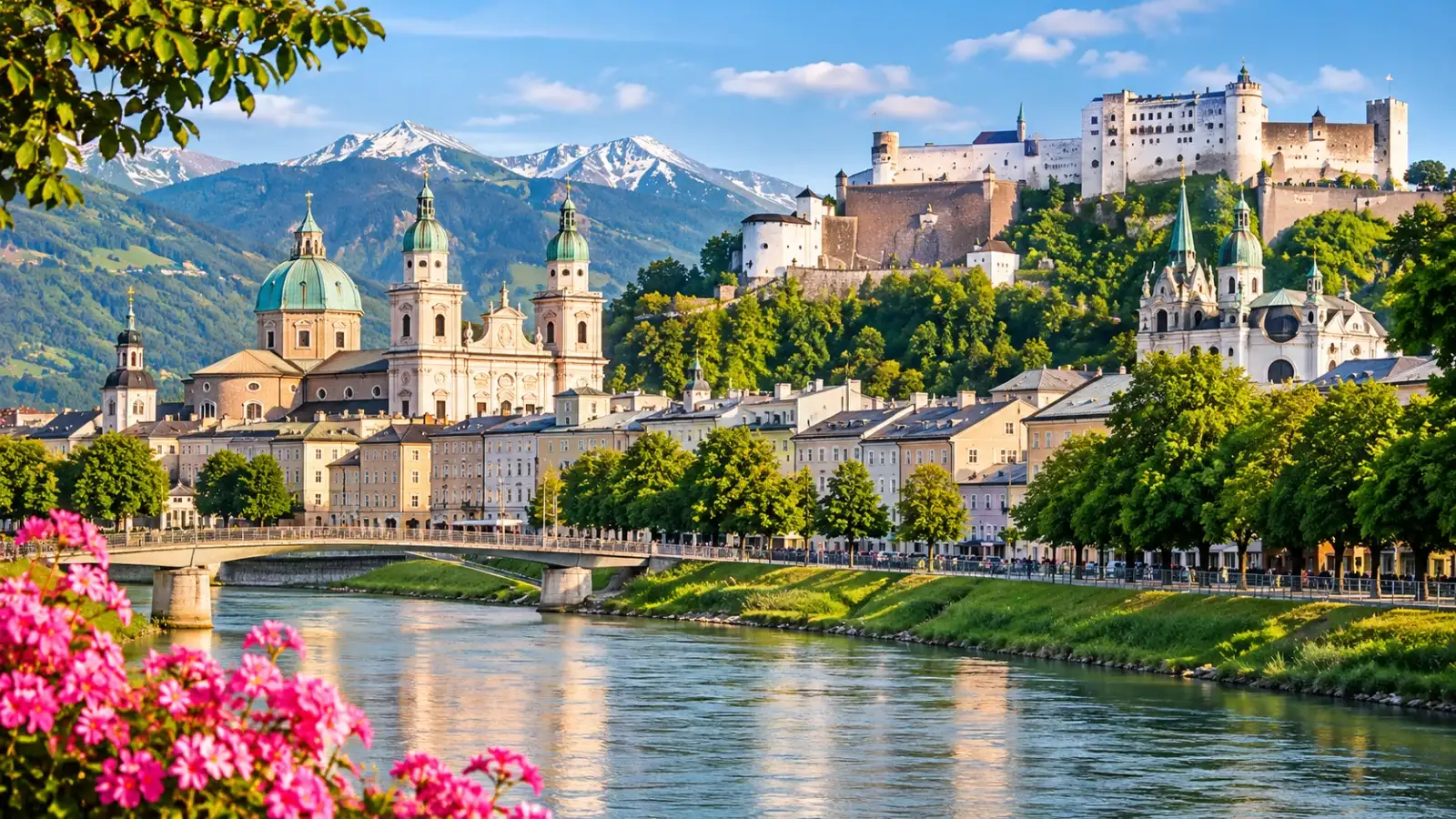
Mozart's Birthplace, located on Getreidegasse, is now a museum displaying objects connected with his early life, family and musical career. Visitors can learn about his childhood, instruments and the environment in which his talent developed.
The city also hosts concerts and musical performances throughout the year, keeping its connection with classical music alive.
The area is recognised as a UNESCO World Heritage Site because of its remarkable architectural and historical significance. Visitors can explore Getreidegasse, Residenzplatz and the surrounding lanes on foot.
The combination of medieval street layouts and elegant Baroque buildings makes the Old Town particularly interesting for architecture enthusiasts.
The fortress offers an insight into Salzburg's political and religious history. Visitors can explore its historic rooms, exhibitions and courtyards while enjoying panoramic views of the city and surrounding mountains.
A visit here also helps explain the influence of Salzburg's former prince-archbishops.
Salzburg Cathedral is among its most important religious landmarks. Its impressive dome, detailed interior and historic significance make it a major attraction.
Other notable buildings include the Kollegienkirche and the churches around the Old Town. Together, they reflect the artistic and religious influence that shaped Salzburg over several centuries.
The festival generally takes place during the summer and attracts performers, musicians and audiences from different parts of the world. Its programme includes major musical productions as well as theatrical performances.
For visitors interested in the performing arts, attending a festival event can offer a deeper understanding of Salzburg's cultural identity.
The Mirabell Gardens feature fountains, sculptures, flower beds and symmetrical pathways. They provide a pleasant setting for a walk and offer attractive views towards Hohensalzburg Fortress.
The gardens also gained international recognition after appearing in the film The Sound of Music, which was partly filmed in and around Salzburg.
Locations such as Mirabell Gardens, Leopoldskron Palace and the Nonnberg area are connected with the film. Visitors often explore these places through organised tours or independent sightseeing.
Although the film presents a dramatised version of the von Trapp family's story, it has helped introduce Salzburg's landscapes and cultural attractions to international audiences.
One of its best-known sweet specialities is Salzburger Nockerl, a light baked dessert traditionally served warm. Mozartkugel, a chocolate confection filled with marzipan and pistachio, is another famous local treat.
Visitors can also explore traditional coffeehouses, where enjoying coffee and pastries is part of the city's relaxed social culture.
The Museum der Moderne, located on Mönchsberg, focuses on modern and contemporary art. Its collections and exhibitions provide a different perspective on the city's creative scene.
These cultural institutions make Salzburg interesting beyond its famous musical associations.
The Salzach River flows through the city, while nearby areas offer opportunities for walking, cycling and scenic excursions. Visitors can combine cultural sightseeing with trips into the surrounding Austrian countryside.
This balance between historic city life and natural scenery makes Salzburg a rewarding destination for different kinds of travellers.
Salzburg stands out as a cultural destination because of its remarkable combination of music, architecture, history and local traditions. From Mozart's birthplace and the Salzburg Festival to Hohensalzburg Fortress and Mirabell Gardens, the city offers experiences that go far beyond ordinary sightseeing. Its historic streets and Alpine surroundings add to its character, making it an appealing destination for travellers interested in European culture. Whether you spend a few days exploring museums or simply walking through the Old Town, Salzburg offers a memorable introduction to Austria's cultural heritage.
1. Mozart's Birthplace and Musical Heritage
One of Salzburg's strongest cultural connections is its association with Wolfgang Amadeus Mozart. The celebrated composer was born in the city in 1756, and his legacy remains an important part of its identity.Mozart's Birthplace, located on Getreidegasse, is now a museum displaying objects connected with his early life, family and musical career. Visitors can learn about his childhood, instruments and the environment in which his talent developed.
The city also hosts concerts and musical performances throughout the year, keeping its connection with classical music alive.
2. Salzburg's Beautiful Historic Old Town
Salzburg's Old Town, known as Altstadt, is one of the city's most attractive areas. Its narrow streets, historic buildings, traditional shopfronts and charming squares create an atmosphere that reflects centuries of European history.The area is recognised as a UNESCO World Heritage Site because of its remarkable architectural and historical significance. Visitors can explore Getreidegasse, Residenzplatz and the surrounding lanes on foot.
The combination of medieval street layouts and elegant Baroque buildings makes the Old Town particularly interesting for architecture enthusiasts.
3. Hohensalzburg Fortress and Its Historic Importance
Standing above the city on Festungsberg hill, Hohensalzburg Fortress is one of Salzburg's most recognisable landmarks. Its origins date back to the 11th century, and it developed over several periods into one of Europe's largest fully preserved medieval castle complexes.The fortress offers an insight into Salzburg's political and religious history. Visitors can explore its historic rooms, exhibitions and courtyards while enjoying panoramic views of the city and surrounding mountains.
A visit here also helps explain the influence of Salzburg's former prince-archbishops.
4. Baroque Architecture and Impressive Churches
Salzburg is particularly famous for its Baroque architecture. The city centre features grand buildings, decorative façades, domed churches and beautifully designed public squares.Salzburg Cathedral is among its most important religious landmarks. Its impressive dome, detailed interior and historic significance make it a major attraction.
Other notable buildings include the Kollegienkirche and the churches around the Old Town. Together, they reflect the artistic and religious influence that shaped Salzburg over several centuries.
5. The Salzburg Festival and Its Global Reputation
The Salzburg Festival is one of the city's most important cultural events. Established in 1920, it has developed an international reputation for opera, theatre and classical music performances.The festival generally takes place during the summer and attracts performers, musicians and audiences from different parts of the world. Its programme includes major musical productions as well as theatrical performances.
For visitors interested in the performing arts, attending a festival event can offer a deeper understanding of Salzburg's cultural identity.
6. Mirabell Palace and Its Beautiful Gardens
Mirabell Palace is another popular attraction, known for its elegant architecture and carefully maintained gardens. The palace was originally built in the early 17th century and later redesigned in a Baroque style.The Mirabell Gardens feature fountains, sculptures, flower beds and symmetrical pathways. They provide a pleasant setting for a walk and offer attractive views towards Hohensalzburg Fortress.
The gardens also gained international recognition after appearing in the film The Sound of Music, which was partly filmed in and around Salzburg.
7. The Sound of Music and Salzburg's Film Connection
Salzburg is closely associated with The Sound of Music, the famous musical film released in 1965. Several scenes were filmed in the city and its surrounding countryside.Locations such as Mirabell Gardens, Leopoldskron Palace and the Nonnberg area are connected with the film. Visitors often explore these places through organised tours or independent sightseeing.
Although the film presents a dramatised version of the von Trapp family's story, it has helped introduce Salzburg's landscapes and cultural attractions to international audiences.
8. Traditional Austrian Food and Café Culture
Salzburg's cultural experience also includes its food traditions. The city has a range of cafés, bakeries and restaurants serving regional Austrian dishes.One of its best-known sweet specialities is Salzburger Nockerl, a light baked dessert traditionally served warm. Mozartkugel, a chocolate confection filled with marzipan and pistachio, is another famous local treat.
You may also like
- Has Silicon Valley made leather jackets uncool?
- Healthwire Media: Launches New Platform for Healthcare Updates, but will it boost info?
- 3 tips to reduce cholesterol
- Mutual Fund Tips: If you are investing in mutual funds for the first time, keep these 5 things in mind..
- Who Was Devsena? The Goddess Behind Kartikeya's Birth
Visitors can also explore traditional coffeehouses, where enjoying coffee and pastries is part of the city's relaxed social culture.
9. Museums and Art Collections
Salzburg offers several museums that help visitors understand its artistic, historical and cultural development. The Salzburg Museum explores the city's history through exhibitions covering art, architecture and everyday life.The Museum der Moderne, located on Mönchsberg, focuses on modern and contemporary art. Its collections and exhibitions provide a different perspective on the city's creative scene.
These cultural institutions make Salzburg interesting beyond its famous musical associations.
10. A Cultural City Surrounded by Alpine Scenery
Salzburg's location adds another dimension to its appeal. The city lies close to the northern edge of the Alps, with green hills and mountain landscapes visible from several viewpoints.The Salzach River flows through the city, while nearby areas offer opportunities for walking, cycling and scenic excursions. Visitors can combine cultural sightseeing with trips into the surrounding Austrian countryside.
This balance between historic city life and natural scenery makes Salzburg a rewarding destination for different kinds of travellers.
Salzburg stands out as a cultural destination because of its remarkable combination of music, architecture, history and local traditions. From Mozart's birthplace and the Salzburg Festival to Hohensalzburg Fortress and Mirabell Gardens, the city offers experiences that go far beyond ordinary sightseeing. Its historic streets and Alpine surroundings add to its character, making it an appealing destination for travellers interested in European culture. Whether you spend a few days exploring museums or simply walking through the Old Town, Salzburg offers a memorable introduction to Austria's cultural heritage.






Loving Newspoint? Download the app now
