
Why September Is One of the Best Months for a Quiet Trip in India

Ask most people to name the best months for travelling around India and September is unlikely to be the first answer. Winter usually gets all the attention, while summer holidays and monsoon get their own travel crowds. Yet September quietly offers a useful middle ground. In many parts of the country, the landscape has been refreshed by months of rain, temperatures begin to become more manageable and the intense holiday rush has not yet arrived. For anyone looking for a quiet trip in India , September can be one of the most interesting months to consider, provided the destination is chosen carefully.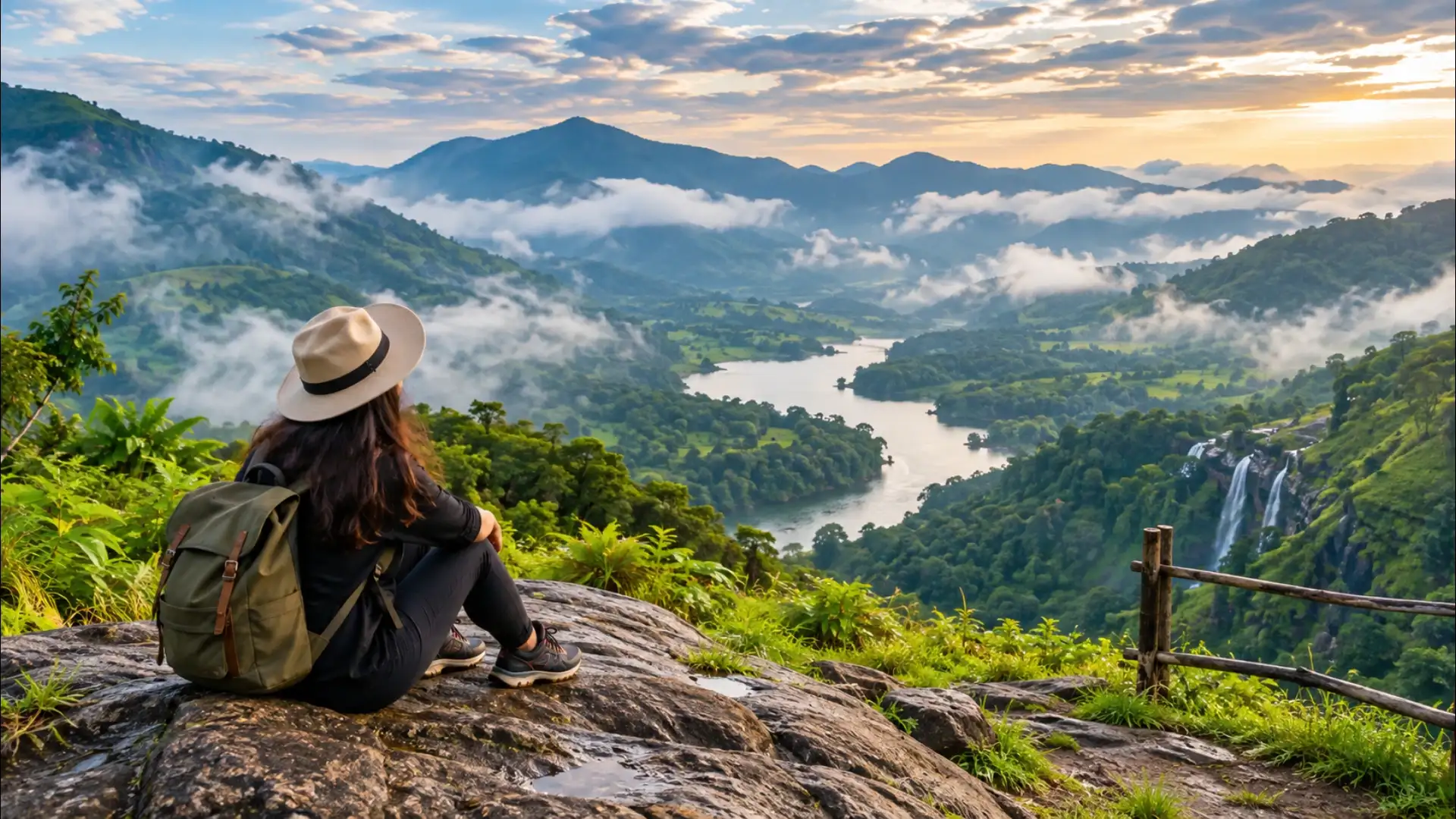
In the hills, slopes become greener and waterfalls swell. Around lakes and reservoirs, water levels can rise. In rural areas, fields appear freshly planted, while forests often look denser and more vibrant.
India's tourism ministry describes the monsoon period as a time when landscapes become vibrant and temperatures turn more pleasant in many regions.
That does not mean every place will be empty. Popular weekend destinations can still be busy, particularly around major cities. But travellers willing to choose less famous towns or visit attractions on weekdays may find a noticeably calmer experience.
Kerala's southwest monsoon extends through September, while the northeast monsoon begins around October. This means some parts of Kerala may still experience showers even as other regions become drier.
Ladakh, by contrast, enters its autumn season during September and October, with the official tourism department highlighting clearer skies and golden landscapes.
The contrast shows why September cannot simply be labelled as a dry or wet travel month.
A few days in a mountain town can involve little more than walking through plantations, sitting in a café, visiting a local market and taking an unplanned drive through the countryside. Kerala Tourism itself describes the monsoon period as suitable for slow, immersive travel, with fewer crowds at many destinations.
That style of holiday is increasingly relevant as people look for breaks that feel restorative rather than exhausting.
Rajasthan's tourism authorities note that monsoon conditions can bring greenery, rainbows and dancing peacocks to parts of the state.
Meanwhile, Ladakh's September landscapes provide an entirely different photographic palette of golden mountains and clear skies.
Travellers should check local weather forecasts, road advisories and attraction updates before setting off. Kerala Tourism specifically advises visitors to monitor weather conditions and local guidance around waterfalls and trekking areas.
A flexible itinerary is therefore more useful than a tightly packed schedule.
The Country Looks Different After the Rains
One of September's biggest advantages is visual. Rain changes landscapes dramatically.In the hills, slopes become greener and waterfalls swell. Around lakes and reservoirs, water levels can rise. In rural areas, fields appear freshly planted, while forests often look denser and more vibrant.
India's tourism ministry describes the monsoon period as a time when landscapes become vibrant and temperatures turn more pleasant in many regions.
Crowds Can Be Easier to Avoid
September falls between some of India's busiest travel periods. The winter holiday season has not properly begun, while school and festival calendars can mean fewer leisure travellers in certain destinations.That does not mean every place will be empty. Popular weekend destinations can still be busy, particularly around major cities. But travellers willing to choose less famous towns or visit attractions on weekdays may find a noticeably calmer experience.
September Is Not the Same Everywhere
This is where planning matters.Kerala's southwest monsoon extends through September, while the northeast monsoon begins around October. This means some parts of Kerala may still experience showers even as other regions become drier.
Ladakh, by contrast, enters its autumn season during September and October, with the official tourism department highlighting clearer skies and golden landscapes.
The contrast shows why September cannot simply be labelled as a dry or wet travel month.
It Can Be Ideal for Slow Travel
September suits travellers who are tired of rushing from one attraction to another.A few days in a mountain town can involve little more than walking through plantations, sitting in a café, visiting a local market and taking an unplanned drive through the countryside. Kerala Tourism itself describes the monsoon period as suitable for slow, immersive travel, with fewer crowds at many destinations.
That style of holiday is increasingly relevant as people look for breaks that feel restorative rather than exhausting.
It Is Also a Good Month for Photography
Post-monsoon India can be remarkably photogenic. Fresh greenery contrasts with old architecture, clouds gather around mountain ridges and rivers and waterfalls become prominent features of the landscape.Rajasthan's tourism authorities note that monsoon conditions can bring greenery, rainbows and dancing peacocks to parts of the state.
Meanwhile, Ladakh's September landscapes provide an entirely different photographic palette of golden mountains and clear skies.
Travel Needs a Little More Flexibility
The downside is that weather can still be unpredictable. Heavy rain can affect roads, trekking routes and waterfalls, particularly in mountainous regions.Travellers should check local weather forecasts, road advisories and attraction updates before setting off. Kerala Tourism specifically advises visitors to monitor weather conditions and local guidance around waterfalls and trekking areas.
A flexible itinerary is therefore more useful than a tightly packed schedule.
Next Story