
Why Serving Three Rotis Together Is Considered Bad Luck In India

Have you ever wondered why elders in many Indian households never place three rotis on a single plate? Sometimes, the third roti is split in two before serving. While it may seem like an old superstition, this practice has deep roots in Indian culture, Hindu beliefs , and even practical health considerations.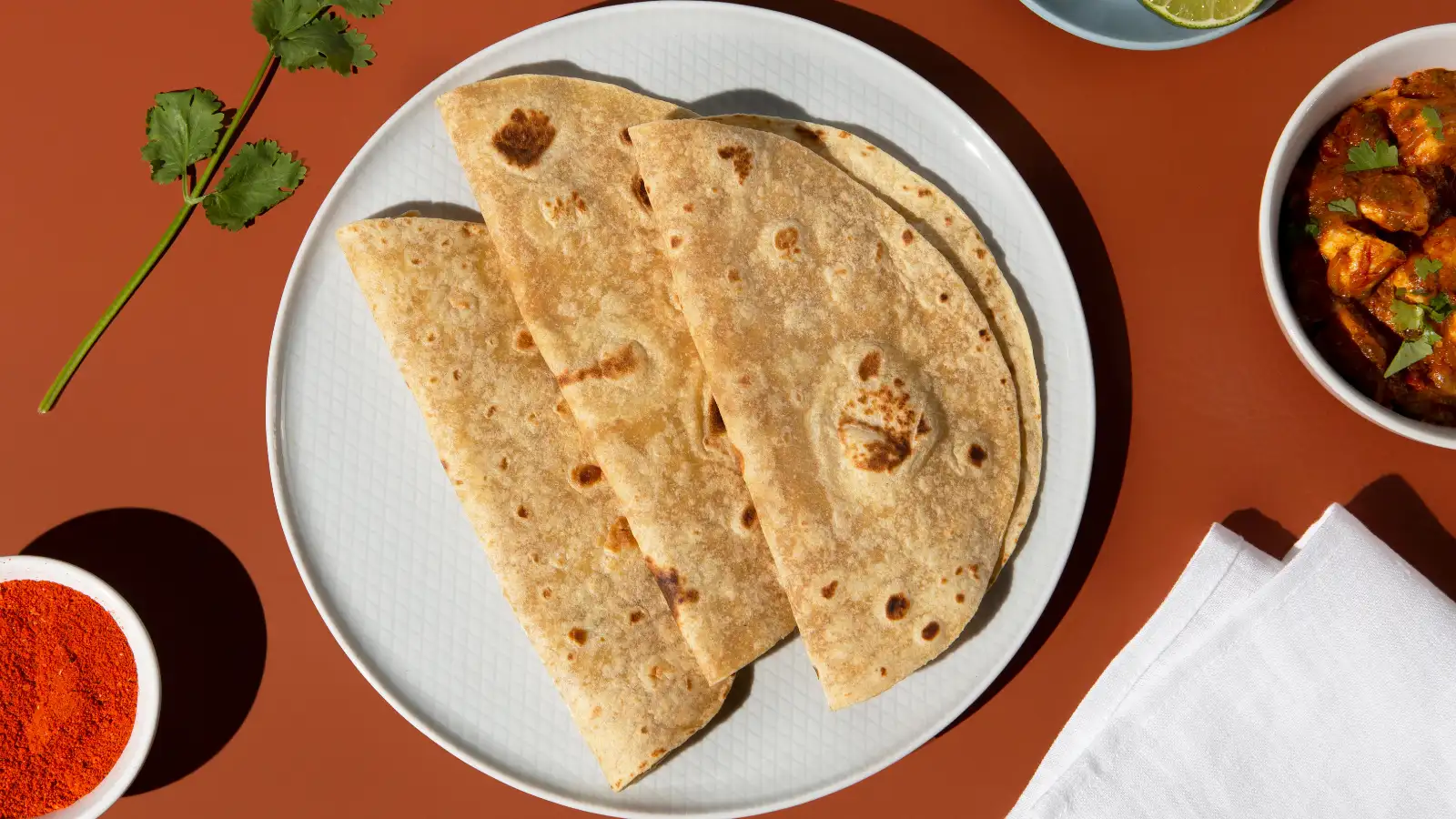
Spiritual and Cultural Significance
In Hindu tradition, the number three holds a special meaning. Historically, three rotis were offered as food for ancestors or departed souls. Offering three rotis to a living person is therefore considered inauspicious. To maintain harmony and respect tradition, families often serve the third roti separately or divide it into two pieces.
The Saying “Teen Tigada Kaam Bigada”
A common Hindi proverb, “Teen Tigada Kaam Bigada,” translates to “Anything in three spoils the work.” This reflects the belief that the number three is associated with turbulence and misfortune. In numerology, serving three rotis together is thought to invite disagreements or unnecessary tension among family members. For this reason, most households avoid this practice.
Read More: The Mystery Of 3 And 13: Why These Numbers Are Thought To Be Unlucky
Practical Health Considerations
Beyond superstition, there are practical reasons for not serving three rotis together. For an average meal, two rotis are generally sufficient for proper nutrition. Serving a third at the same time is sometimes seen as excessive or indulgent. Splitting it into two pieces or serving it separately ensures moderation and aligns with traditional dining etiquette.
A Blend of Tradition and Practicality
The practice of avoiding three rotis on a plate is a combination of cultural wisdom, spiritual beliefs, and health consciousness. Whether followed strictly or casually, it honours ancestral knowledge and maintains family harmony during meals. Next time you serve rotis, remember the deeper meaning behind this simple but enduring tradition.
Disclaimer: This article discusses cultural beliefs and superstitions related to the number 3, including practices such as avoiding serving three rotis on a plate. The content is intended for informational purposes only. These beliefs are based on traditional folklore and do not have scientific backing. Newspoint does not endorse or promote any superstition and is not responsible for any actions or decisions taken by readers based on this content.
Spiritual and Cultural Significance
In Hindu tradition, the number three holds a special meaning. Historically, three rotis were offered as food for ancestors or departed souls. Offering three rotis to a living person is therefore considered inauspicious. To maintain harmony and respect tradition, families often serve the third roti separately or divide it into two pieces. The Saying “Teen Tigada Kaam Bigada”
A common Hindi proverb, “Teen Tigada Kaam Bigada,” translates to “Anything in three spoils the work.” This reflects the belief that the number three is associated with turbulence and misfortune. In numerology, serving three rotis together is thought to invite disagreements or unnecessary tension among family members. For this reason, most households avoid this practice.Read More: The Mystery Of 3 And 13: Why These Numbers Are Thought To Be Unlucky
Practical Health Considerations
Beyond superstition, there are practical reasons for not serving three rotis together. For an average meal, two rotis are generally sufficient for proper nutrition. Serving a third at the same time is sometimes seen as excessive or indulgent. Splitting it into two pieces or serving it separately ensures moderation and aligns with traditional dining etiquette.A Blend of Tradition and Practicality
The practice of avoiding three rotis on a plate is a combination of cultural wisdom, spiritual beliefs, and health consciousness. Whether followed strictly or casually, it honours ancestral knowledge and maintains family harmony during meals. Next time you serve rotis, remember the deeper meaning behind this simple but enduring tradition. Disclaimer: This article discusses cultural beliefs and superstitions related to the number 3, including practices such as avoiding serving three rotis on a plate. The content is intended for informational purposes only. These beliefs are based on traditional folklore and do not have scientific backing. Newspoint does not endorse or promote any superstition and is not responsible for any actions or decisions taken by readers based on this content.
Next Story