
Why Traditional Indian Meals Can Be A Smarter Choice Than Fad Diets

In the age of detox plans, restrictive menus and elaborate diet charts, healthy eating can sometimes feel far more complicated than it needs to be. Yet a simple Indian meal of dal, roti and vegetables can provide a practical mix of protein, carbohydrates, fibre, vitamins and minerals.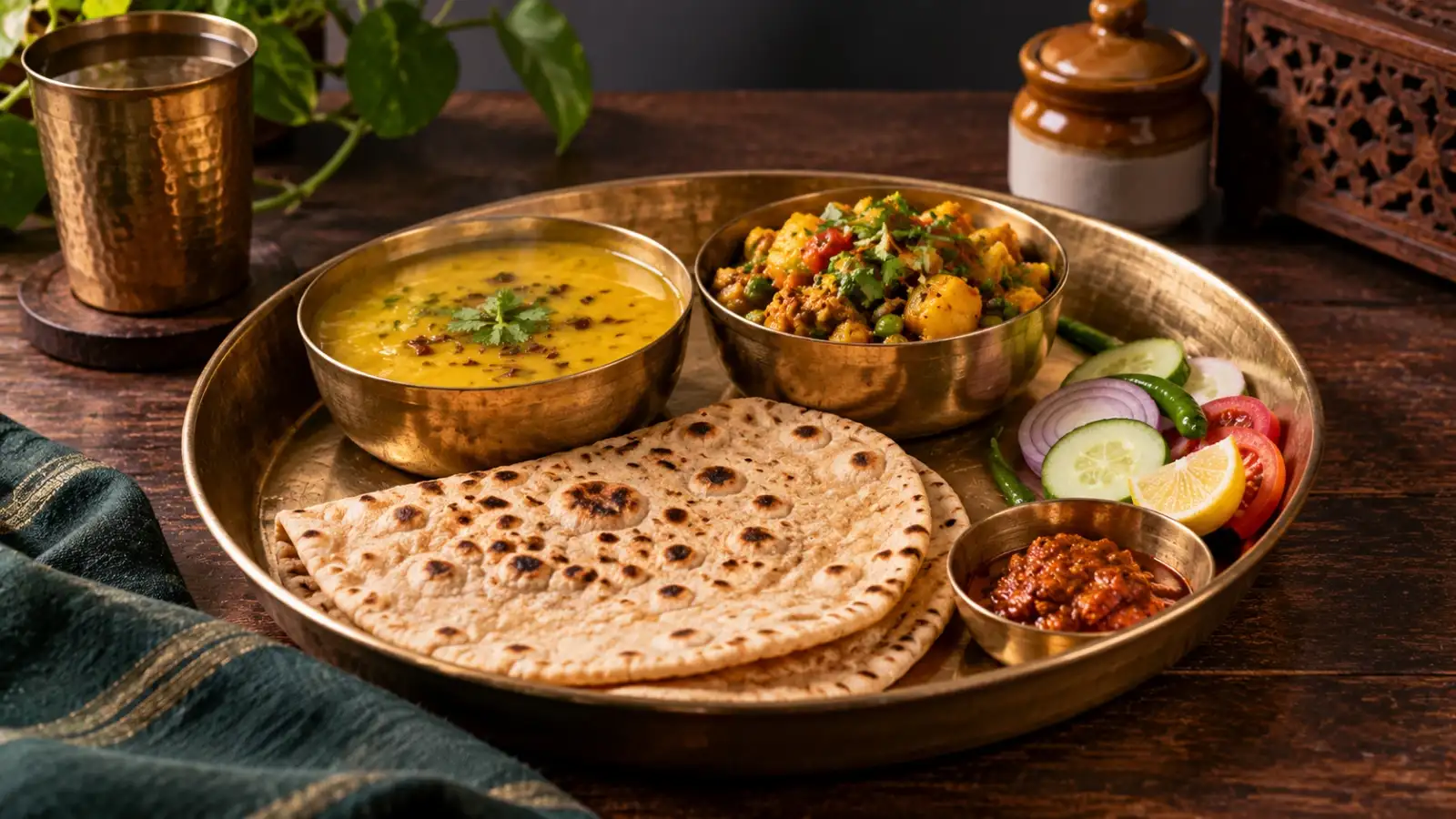
The real advantage is not that these foods are magically better than every modern diet. It is that a simple, balanced meal can be easier to follow consistently, while helping you build healthier eating habits without unnecessary rules.
Together, these foods can form the foundation of a balanced meal. Adding curd, salad or another protein source can make the plate even more satisfying, depending on individual nutritional needs.
Different dals also offer varying amounts of protein, fibre and micronutrients. Including them regularly can be a simple way to improve the nutritional quality of everyday meals.
Whole-wheat roti can provide carbohydrates for energy along with fibre. Portion size and what you eat with the roti are important, too. A meal built around roti, dal and vegetables can be more balanced than simply cutting out carbohydrates altogether.
Instead of relying on one 'superfood', rotating seasonal vegetables can be a much more practical approach to eating well.
A complicated diet may look impressive on paper but become difficult to maintain. A familiar meal that fits your routine is more likely to become a long-term habit.
The goal is to build a balanced plate rather than assume that any traditional food can be eaten without considering quantity.
For many people, focusing on minimally processed foods, adequate protein, vegetables, whole grains and sensible portions can be more sustainable than constantly switching between restrictive diet trends.
Instead of searching for the next complicated food rule, building better everyday meals may be a more realistic place to start.
The real advantage is not that these foods are magically better than every modern diet. It is that a simple, balanced meal can be easier to follow consistently, while helping you build healthier eating habits without unnecessary rules.
A balanced plate without complicated calculations
Dal provides plant-based protein, while roti made from whole grains can supply carbohydrates and fibre. Vegetables add vitamins, minerals and other beneficial plant compounds.Together, these foods can form the foundation of a balanced meal. Adding curd, salad or another protein source can make the plate even more satisfying, depending on individual nutritional needs.
Dal can make meals more filling
Protein plays an important role in maintaining satiety. Pulses such as dal can therefore be useful when you are trying to avoid constant snacking between meals.Different dals also offer varying amounts of protein, fibre and micronutrients. Including them regularly can be a simple way to improve the nutritional quality of everyday meals.
Roti can provide useful carbohydrates and fibre
Carbohydrates are not something everyone needs to eliminate to eat healthily. The type and quantity matter more.Whole-wheat roti can provide carbohydrates for energy along with fibre. Portion size and what you eat with the roti are important, too. A meal built around roti, dal and vegetables can be more balanced than simply cutting out carbohydrates altogether.
Vegetables add colour and variety
Vegetables bring fibre, vitamins, minerals and a range of plant compounds to the plate. Eating different vegetables also helps introduce greater variety into your diet.You may also like
- Smoking Increases Death Risk by 55% in Diabetes Patients
- 600-year-old Hindu temple in Rajasthan has a Muslim priest; family that came from Sindh has been serving the Hindu goddess for 14 generations: The story of Jodhpur's Bagoria Mataji Mandir
- Why Mahabharata Has Stories Inside Other Stories
- Expectation of at least ₹58,000 pension; another major 8th Pay Commission meeting tomorrow
- Whitening Toothpaste for White Teeth: Can It Really Remove Teeth Stains or Just Brighten Your Smile?
Instead of relying on one 'superfood', rotating seasonal vegetables can be a much more practical approach to eating well.
Simple meals can be easier to follow
One of the biggest strengths of a traditional home-cooked meal is convenience. You do not necessarily need separate recipes for every meal, expensive ingredients or a long list of dietary rules.A complicated diet may look impressive on paper but become difficult to maintain. A familiar meal that fits your routine is more likely to become a long-term habit.
Portion size still matters
A simple meal is not automatically a low-calorie meal. Large portions of roti, dal, rice, cooking oil or calorie-dense accompaniments can increase overall energy intake.The goal is to build a balanced plate rather than assume that any traditional food can be eaten without considering quantity.
You do not need to fear every food
Healthy eating does not have to mean completely avoiding carbohydrates, fats or foods you enjoy. What matters is the overall pattern of your diet.For many people, focusing on minimally processed foods, adequate protein, vegetables, whole grains and sensible portions can be more sustainable than constantly switching between restrictive diet trends.
The simplest diet may be the one you can maintain
Dal, roti and vegetables may not sound as exciting as a highly customised diet plan, but their simplicity can be their biggest strength. They can form part of a nutritious, affordable and flexible eating pattern when portions and overall dietary variety are considered.Instead of searching for the next complicated food rule, building better everyday meals may be a more realistic place to start.






Loving Newspoint? Download the app now
