
Why Does Fizzy Drink Bubble When You Open the Bottle?

Have you ever opened a bottle of soda and watched it suddenly fizz and bubble? That familiar burst of bubbles is not just a sign of freshness. It is the result of dissolved carbon dioxide gas escaping from the drink when the pressure inside the bottle changes.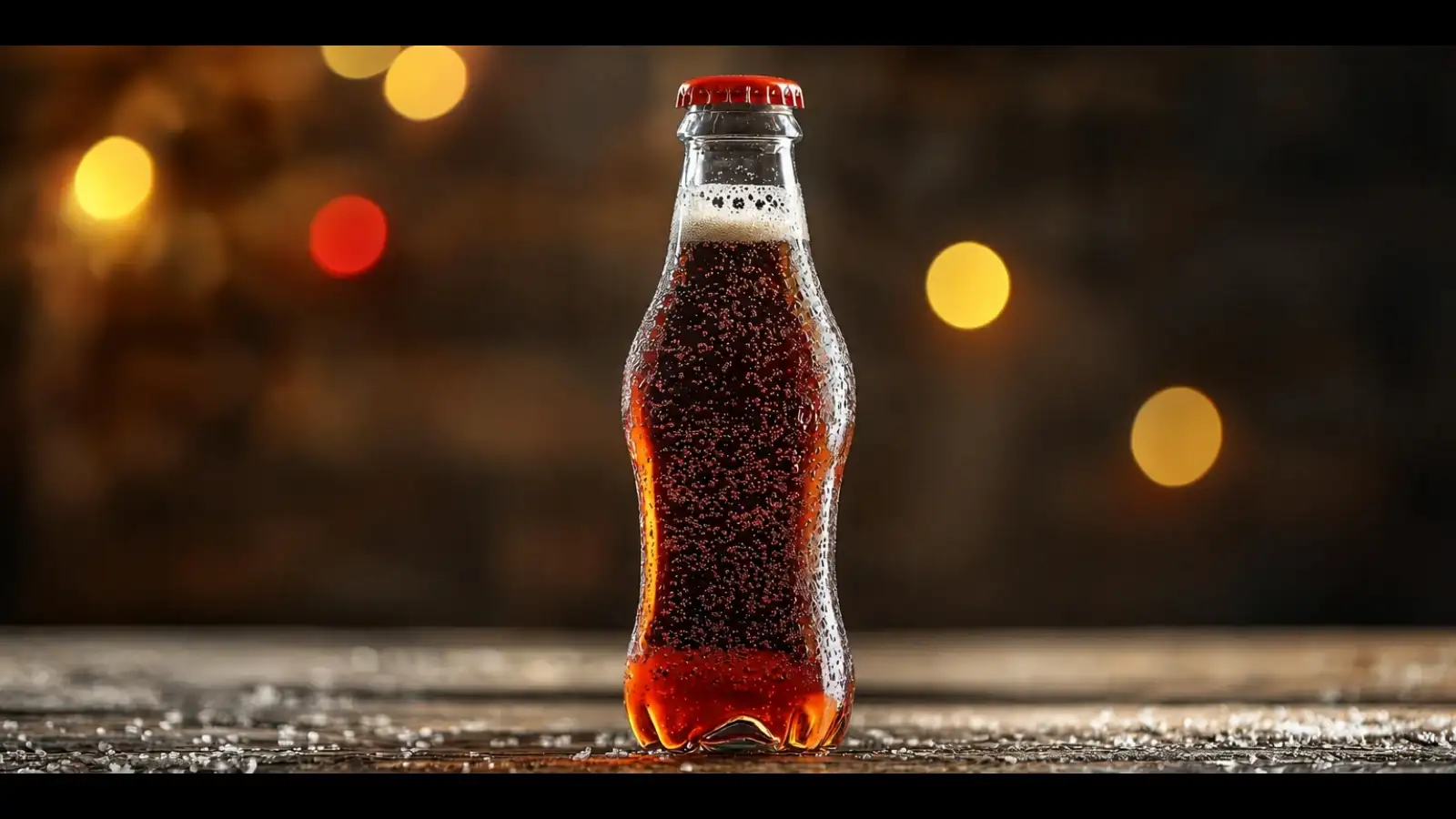
Some of the dissolved carbon dioxide also reacts with water to form a small amount of carbonic acid, which contributes to the drink's characteristic tangy taste.
The bottle may contain plenty of dissolved gas, but because the conditions inside are relatively stable, the carbon dioxide does not escape rapidly. That is why an unopened fizzy drink can look completely still.
This process is called degassing.
The gas does not necessarily escape as one giant burst. Instead, dissolved carbon dioxide comes out of the liquid by forming bubbles, which then rise toward the surface.
These are known as nucleation sites.
Once a bubble starts growing, more dissolved carbon dioxide can move into it. The bubble becomes larger as it rises, creating the familiar stream of fizz.
That is why a freshly shaken bottle can foam dramatically when opened.
The shaking does not create extra carbon dioxide. Instead, it makes it easier for the gas already dissolved in the drink to escape quickly.
When the drink becomes warm, carbon dioxide escapes more readily. This is one reason a warm soft drink may seem flatter and less refreshing than a cold one.
Every time you pour the drink, more gas can escape because bubbles form and the liquid comes into contact with the air.
Eventually, much of the dissolved carbon dioxide is gone, leaving the drink noticeably flat.
If the drink is poured quickly or the glass contains residues or microscopic imperfections, more bubbles may form, sometimes producing a layer of foam.
So, the dramatic fizz is essentially the drink releasing carbon dioxide that was previously held in solution.
The next time you hear that familiar hiss after opening a soda bottle, you are hearing the pressure inside the container equalise while carbon dioxide begins escaping. The bubbles are created as dissolved CO₂ comes out of the liquid, turning an ordinary drink into the fizzy beverage we know.
Disclaimer: This article is intended for general informational purposes only. The information is based on commonly available sources and should not be considered as formal research, scientific evidence, or definitive claims.
What Makes a Drink Fizzy?
The bubbles in carbonated drinks come from carbon dioxide (CO₂). During production, carbon dioxide is forced into the liquid under pressure, allowing much more gas to dissolve than would normally remain in the drink at atmospheric pressure.Some of the dissolved carbon dioxide also reacts with water to form a small amount of carbonic acid, which contributes to the drink's characteristic tangy taste.
Why Does the Bottle Stay Calm Before Opening?
While the bottle is sealed, the space above the drink is under pressure. This higher pressure helps keep carbon dioxide dissolved in the liquid.The bottle may contain plenty of dissolved gas, but because the conditions inside are relatively stable, the carbon dioxide does not escape rapidly. That is why an unopened fizzy drink can look completely still.
What Changes When You Open It?
The moment you open the bottle, the pressure above the liquid drops quickly toward atmospheric pressure. Carbon dioxide is then less soluble in the drink and starts leaving the liquid.This process is called degassing.
The gas does not necessarily escape as one giant burst. Instead, dissolved carbon dioxide comes out of the liquid by forming bubbles, which then rise toward the surface.
Why Do So Many Bubbles Appear at Once?
A perfectly smooth liquid would not make bubbles everywhere equally easily. Tiny imperfections and particles in the bottle, along with microscopic scratches or rough spots on the container, can provide places where carbon dioxide bubbles begin to form.These are known as nucleation sites.
Once a bubble starts growing, more dissolved carbon dioxide can move into it. The bubble becomes larger as it rises, creating the familiar stream of fizz.
Why Does Shaking Make It Fizz More?
Shaking a carbonated drink mixes the liquid and creates many small disturbances and potential nucleation sites. When the bottle is opened, the sudden pressure drop allows carbon dioxide to escape rapidly through these sites.That is why a freshly shaken bottle can foam dramatically when opened.
The shaking does not create extra carbon dioxide. Instead, it makes it easier for the gas already dissolved in the drink to escape quickly.
Why Does a Cold Fizzy Drink Usually Keep Its Fizz Longer?
Carbon dioxide is generally more soluble in colder liquids than in warmer ones. As a result, a chilled carbonated drink can retain dissolved CO₂ more effectively.When the drink becomes warm, carbon dioxide escapes more readily. This is one reason a warm soft drink may seem flatter and less refreshing than a cold one.
Why Does the Fizz Eventually Disappear?
Once the bottle has been opened, the drink is exposed to atmospheric pressure. Carbon dioxide continues leaving the liquid until the amount dissolved approaches a new equilibrium with the surrounding air.Every time you pour the drink, more gas can escape because bubbles form and the liquid comes into contact with the air.
Eventually, much of the dissolved carbon dioxide is gone, leaving the drink noticeably flat.
Why Does the Drink Foam When You Pour It?
Pouring can create additional nucleation sites. The liquid hitting the glass, splashing, and moving over tiny imperfections can help dissolved carbon dioxide form bubbles.If the drink is poured quickly or the glass contains residues or microscopic imperfections, more bubbles may form, sometimes producing a layer of foam.
The Science Behind the Fizz
The simple explanation is a change in pressure and gas solubility. Carbon dioxide is dissolved in the drink under high pressure. Opening the bottle suddenly lowers that pressure, making it easier for the gas to leave the liquid.So, the dramatic fizz is essentially the drink releasing carbon dioxide that was previously held in solution.
The next time you hear that familiar hiss after opening a soda bottle, you are hearing the pressure inside the container equalise while carbon dioxide begins escaping. The bubbles are created as dissolved CO₂ comes out of the liquid, turning an ordinary drink into the fizzy beverage we know.
Disclaimer: This article is intended for general informational purposes only. The information is based on commonly available sources and should not be considered as formal research, scientific evidence, or definitive claims.
Next Story