
The Fruit Bowl Chain Reaction: Why Some Fruits Ripen Faster When Kept Together

Have you ever placed a firm, green avocado next to a batch of speckled yellow bananas on your kitchen counter, only to find the avocado perfectly soft and ready to eat just a day or two later? Alternatively, you may have noticed that a single overripe apple left inside a bag of produce can turn the surrounding fruit soft and mushy at alarming speed.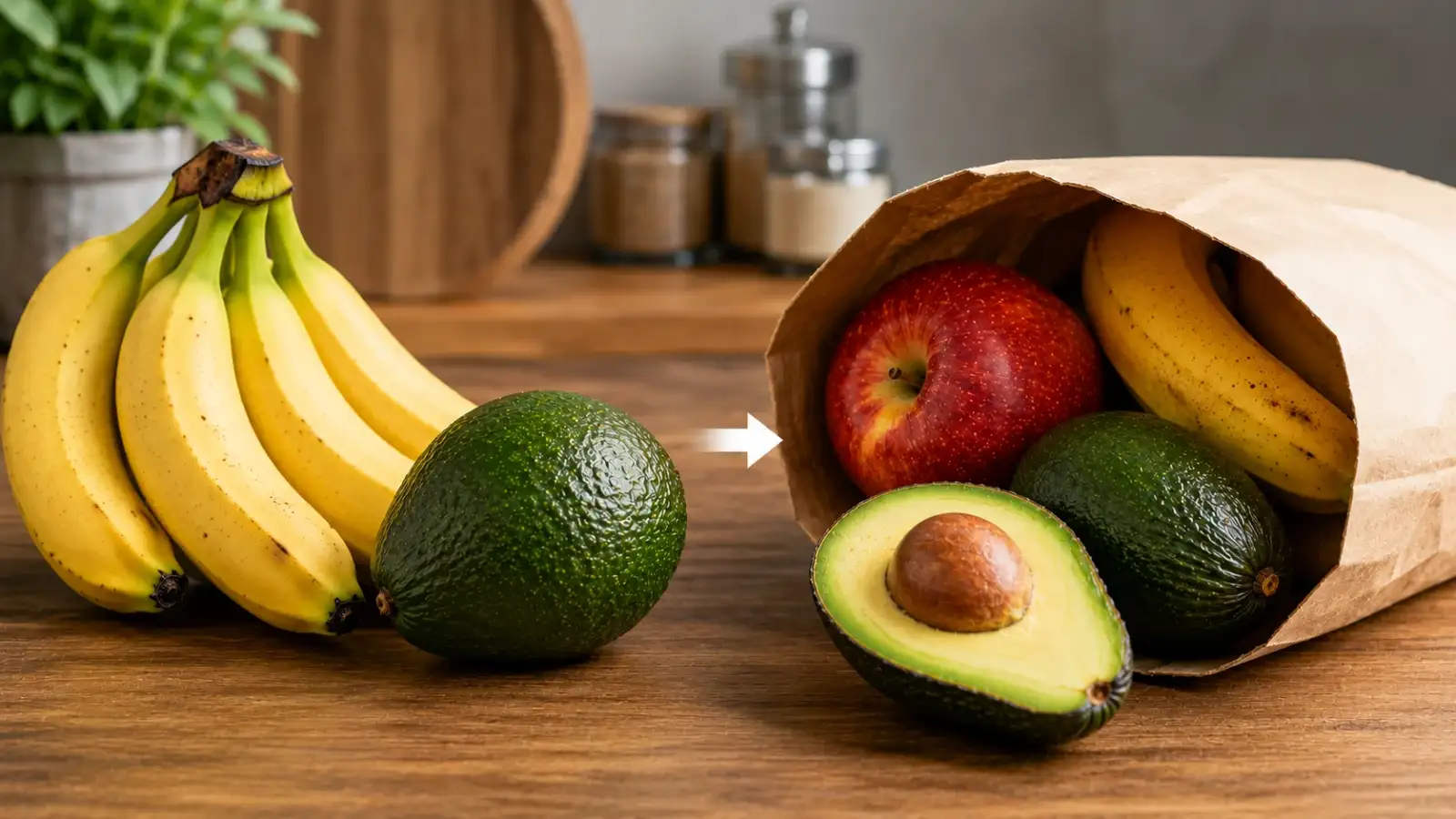
What feels like magic or coincidental decay is actually a fascinating piece of plant biochemistry playing out right on your countertop. Plants use invisible chemical signals to communicate, trigger physiological changes, and coordinate maturity. Exploring why some fruits ripen faster when kept together reveals how ethylene gas production, climacteric fruit behavior, cellular tissue softening, and trapped gas concentrations work together to accelerate the ripening process.
Unlike humans, who rely on internal blood circulation to carry hormones to different organs, plants release ethylene gas directly into the surrounding air through their skin and stems. When ethylene gas drifts through the air and touches nearby produce, it binds to specialized protein receptors on the skin of neighboring fruits. This chemical contact acts like a biological master switch, signaling the fruit cell structure to start producing its own ethylene gas while triggering rapid softening, starch breakdown, and color shifts.
Climacteric fruits, such as bananas, apples, pears, avocados, mangoes, peaches, and tomatoes, continue to mature and sweeten long after they have been picked from the plant. As these fruits mature, they experience a dramatic spike in internal respiration and release large volumes of ethylene gas into the surrounding air. Non climacteric fruits, such as strawberries, grapes, citrus fruits, and pineapples, do not release significant amounts of ethylene gas and stop sweetening once harvested from the vine or tree. When you place high ethylene producers like bananas or apples right next to climacteric fruits like firm avocados or hard mangoes, the constant gas exposure forces the neighboring fruit to accelerate its internal biological clock.
Concurrently, pectinase enzymes break down rigid pectin molecules within plant cell walls, causing firm tissue to soften into a tender, juicy texture. At the same time, green chlorophyll pigments break down, revealing bright yellow, orange, and red pigments beneath. When fruits are grouped closely together, the high concentration of surrounding ethylene gas accelerates all these enzymatic processes simultaneously.
The porous paper trap holds the released ethylene gas close to the skin of the fruit while allowing excess moisture to escape, preventing rot. Adding a high ethylene producer like a ripe banana or apple inside the paper bag accelerates the process even further, softening hard produce in a fraction of the usual time.
What feels like magic or coincidental decay is actually a fascinating piece of plant biochemistry playing out right on your countertop. Plants use invisible chemical signals to communicate, trigger physiological changes, and coordinate maturity. Exploring why some fruits ripen faster when kept together reveals how ethylene gas production, climacteric fruit behavior, cellular tissue softening, and trapped gas concentrations work together to accelerate the ripening process.
The role of ethylene gas as a natural plant hormone
The primary force driving this rapid transformation is a simple natural gas called ethylene. Ethylene is an invisible, odourless hydrocarbon gas that functions as a powerful natural plant hormone.Unlike humans, who rely on internal blood circulation to carry hormones to different organs, plants release ethylene gas directly into the surrounding air through their skin and stems. When ethylene gas drifts through the air and touches nearby produce, it binds to specialized protein receptors on the skin of neighboring fruits. This chemical contact acts like a biological master switch, signaling the fruit cell structure to start producing its own ethylene gas while triggering rapid softening, starch breakdown, and color shifts.
Understanding climacteric vs non climacteric produce
Not all fruits respond to ethylene gas in the exact same manner. Botanists divide produce into two distinct physiological categories known as climacteric and non climacteric fruits .You may also like
- Peanuts With or Without Skin: Which Is Healthier and What Is the Best Way to Eat Them?
- 'This is my tiny house, though it looks straight out of a postcard, I live here': Woman reveals the issues she is facing living in a 'picture-perfect' house
- Why do Kodagu brides wear their saree backwards? The fascinating story behind their iconic drape
- Your child seems distracted while studying? These overlooked vision problems could be making reading and learning harder
- Why Zurich deserves more than a layover
Climacteric fruits, such as bananas, apples, pears, avocados, mangoes, peaches, and tomatoes, continue to mature and sweeten long after they have been picked from the plant. As these fruits mature, they experience a dramatic spike in internal respiration and release large volumes of ethylene gas into the surrounding air. Non climacteric fruits, such as strawberries, grapes, citrus fruits, and pineapples, do not release significant amounts of ethylene gas and stop sweetening once harvested from the vine or tree. When you place high ethylene producers like bananas or apples right next to climacteric fruits like firm avocados or hard mangoes, the constant gas exposure forces the neighboring fruit to accelerate its internal biological clock.
Starch conversion, cell wall breakdown, and color transformation
Once ethylene gas triggers the ripening sequence inside a fruit, a series of complex internal chemical cascades occur almost simultaneously. Enzymes like amylase begin breaking down sour, complex starches into simple, delicious sugars like fructose and glucose, turning tart flesh sweet.Concurrently, pectinase enzymes break down rigid pectin molecules within plant cell walls, causing firm tissue to soften into a tender, juicy texture. At the same time, green chlorophyll pigments break down, revealing bright yellow, orange, and red pigments beneath. When fruits are grouped closely together, the high concentration of surrounding ethylene gas accelerates all these enzymatic processes simultaneously.
Trapping ethylene gas in paper bags for rapid softening
You can use this natural biochemical chain reaction to your advantage in the kitchen. If you buy hard avocados, green mangoes, or firm pears that are not ready for eating, placing them together inside a simple brown paper bag creates a concentrated ripening chamber.The porous paper trap holds the released ethylene gas close to the skin of the fruit while allowing excess moisture to escape, preventing rot. Adding a high ethylene producer like a ripe banana or apple inside the paper bag accelerates the process even further, softening hard produce in a fraction of the usual time.
Smart fruit storage for fresh produce management
Understanding why some fruits ripen faster when kept together gives you complete control over your kitchen produce. Keeping ethylene producers separate from sensitive fruits prevents early spoiling, while grouping them speeds up softening whenever you need fresh, ready to eat produce.





Loving Newspoint? Download the app now
