
Why Some Indian Forests Are Considered Sacred by Local Communities

Across India, there are small forest patches where trees are left standing, wild plants grow with limited interference, and local communities follow traditions that discourage cutting vegetation or disturbing wildlife. These places are known as sacred groves. They are protected because of their spiritual, cultural and ancestral significance, with beliefs and customs varying between communities.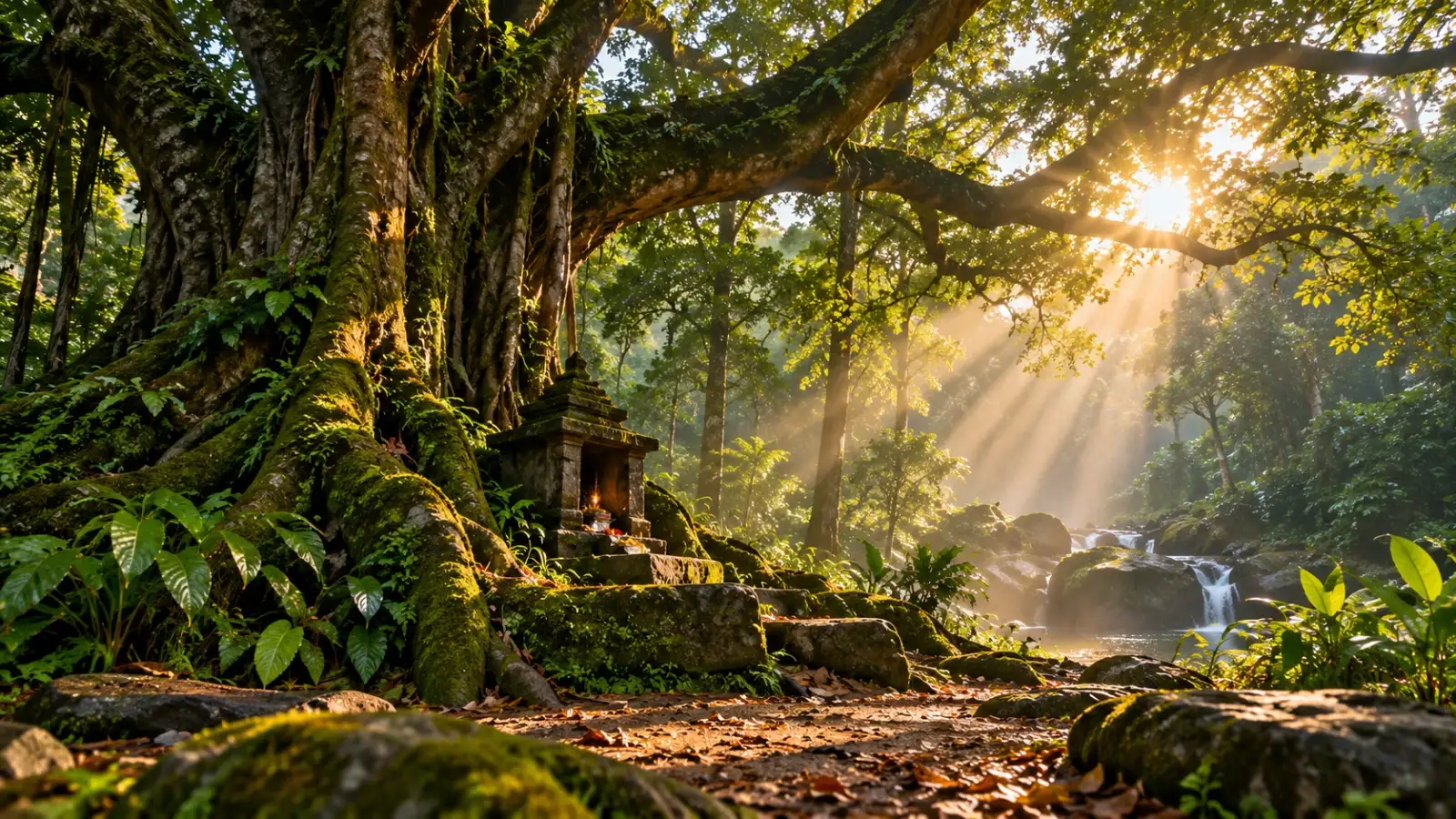
For generations, sacred groves have connected local traditions with the natural environment. While some are associated with village deities, others are linked to ancestral spirits or particular religious practices. Their importance extends beyond worship, as many also preserve native plants, provide shelter for wildlife and help protect soil and water resources.
Unlike forests protected solely through formal government regulations, many sacred groves have historically been safeguarded through community customs. Rules may prohibit cutting trees, collecting firewood, removing plants or hunting animals within the designated area.
These restrictions are not identical everywhere. Some groves allow specific religious ceremonies or carefully controlled activities, while others follow stricter customary rules. In many places, local families, village councils, temple trusts or community groups help maintain the site.
The tradition is significant because it shows how cultural beliefs can influence the way people interact with their surroundings.
In parts of Meghalaya, for example, sacred groves are connected with traditional Khasi and Pnar beliefs. Some communities regard these forest patches as places where spiritual beings reside and where customary practices must be respected.
In other regions, groves may be associated with a village deity, a local shrine or a family tradition passed down through generations.
These beliefs can create strong social rules against damaging the forest. When cutting trees or disturbing wildlife is considered disrespectful to a sacred place, people may be more willing to protect it.
Such practices help communities maintain a shared understanding of their relationship with the land. The rules may be followed through religious observances, community decisions and social expectations rather than through written regulations alone.
However, customs can change over time. Development, changing livelihoods and reduced participation in traditional practices can weaken the protection once provided to these forests.
Rituals, festivals and local stories may be connected to a particular forest, making its protection a shared responsibility. Some communities also associate these places with the welfare of their villages, livestock and agricultural land.
This relationship between culture and landscape is one reason sacred groves have survived in different parts of India despite changes in surrounding land use.
The Mawphlang sacred grove , near Shillong, is one of the best-known examples. Its forest vegetation and cultural significance make it an important site for understanding the relationship between local traditions and biodiversity.
Customary restrictions in such groves can include prohibitions on cutting trees or removing plants. These rules have helped preserve forest habitats that may differ significantly from more disturbed areas nearby.
Orans have traditionally served cultural and ecological functions. Depending on the location, they may provide grazing resources, support wildlife and help conserve vegetation in an otherwise dry landscape.
Their importance is especially clear in arid and semi-arid regions, where trees, grasslands and water sources can be vital to both communities and wildlife.
Not every oran follows the same rules. Local customs and patterns of land use determine how individual sites are managed.
These groves may contain dense vegetation, mature trees, climbing plants and moist habitats. Their traditional protection can help maintain small pockets of biodiversity within heavily used rural or urban landscapes.
Some groves are associated with family properties or temple traditions, while others are managed through community arrangements.
The presence of water, shade and relatively undisturbed vegetation can make these places valuable for plants, insects, birds and other small animals.
In parts of the Western Ghats, sacred groves can preserve native plants and forest communities within landscapes affected by farming, settlement and other human activities.
Research on sacred groves in Maharashtra has highlighted the varied ways communities organise ownership and protection. Some sites are managed by village councils, while others are associated with temple trusts or individual owners.
Some have retained significant tree cover and native vegetation because customary rules have limited disturbance. Their protection can also support wildlife movement and help conserve habitats in agricultural landscapes.
The size, condition and management of these forests vary, so their ecological value depends on local circumstances and the strength of ongoing protection.
Some groves contain rare or locally distinctive plant species. Their value depends on factors such as size, vegetation type, location and the level of disturbance.
They can also act as stepping stones between larger habitat patches, although their ability to support wildlife movement varies by landscape.
In suitable locations, forest cover can also help regulate water movement, reduce erosion and protect the quality of nearby water sources.
These benefits are especially important in hilly areas, where vegetation loss can increase the risk of soil erosion. However, the effect of any individual grove depends on its terrain, vegetation and surrounding land use.
Such knowledge is often shared orally through families and community practices. Documenting it with the consent and participation of the communities concerned can help ensure that valuable traditions are understood and respected.
Conservation efforts are generally stronger when they recognise local knowledge rather than treating communities merely as observers of their own landscapes.
Some groves are fragmented into smaller patches, while others experience the gradual loss of native plants. Invasive species and disturbances to surrounding habitats can also affect their ecological condition.
The decline of traditional practices is not uniform across India, and many communities continue to protect their sacred sites. Nevertheless, preserving these places requires ongoing participation rather than assuming that their sacred status alone guarantees their survival.
Practical measures include recognising customary rights and responsibilities, documenting biodiversity, preventing damaging land-use changes and supporting community-led conservation. Education programmes can also help younger generations understand the cultural and environmental importance of these places.
Any conservation plan should respect local beliefs, access rules and community decisions. Sacred groves are living cultural landscapes, not simply forests that can be managed in the same way everywhere.
These forests may protect native vegetation, support wildlife and help maintain soil and water systems. Their continued survival, however, depends on the people and communities who care for them, along with practical conservation support.
Understanding sacred groves offers a valuable lesson: protecting nature is not only a matter of laws and boundaries. It can also grow from a community's history, values and long-standing relationship with the land.
For generations, sacred groves have connected local traditions with the natural environment. While some are associated with village deities, others are linked to ancestral spirits or particular religious practices. Their importance extends beyond worship, as many also preserve native plants, provide shelter for wildlife and help protect soil and water resources.
What Are Sacred Groves?
Sacred groves are patches of natural or near-natural vegetation protected by communities because of their cultural or spiritual importance. They can range from a small cluster of trees to larger areas of forest, depending on the region and local tradition.Unlike forests protected solely through formal government regulations, many sacred groves have historically been safeguarded through community customs. Rules may prohibit cutting trees, collecting firewood, removing plants or hunting animals within the designated area.
These restrictions are not identical everywhere. Some groves allow specific religious ceremonies or carefully controlled activities, while others follow stricter customary rules. In many places, local families, village councils, temple trusts or community groups help maintain the site.
The tradition is significant because it shows how cultural beliefs can influence the way people interact with their surroundings.
Why Do Local Communities Consider Forests Sacred?
1. Belief in Deities and Ancestral Spirits
One of the main reasons certain forests are protected is the belief that a deity, spirit or ancestral presence is associated with the land.In parts of Meghalaya, for example, sacred groves are connected with traditional Khasi and Pnar beliefs. Some communities regard these forest patches as places where spiritual beings reside and where customary practices must be respected.
In other regions, groves may be associated with a village deity, a local shrine or a family tradition passed down through generations.
These beliefs can create strong social rules against damaging the forest. When cutting trees or disturbing wildlife is considered disrespectful to a sacred place, people may be more willing to protect it.
2. Traditions Passed Down Through Generations
Sacred groves often reflect knowledge and customs inherited from earlier generations. Elders may explain which areas are protected, what activities are restricted and how rituals should be conducted.Such practices help communities maintain a shared understanding of their relationship with the land. The rules may be followed through religious observances, community decisions and social expectations rather than through written regulations alone.
However, customs can change over time. Development, changing livelihoods and reduced participation in traditional practices can weaken the protection once provided to these forests.
3. Respect for Nature and Local Identity
For many communities, a sacred grove is not simply a collection of trees. It can be part of their collective identity, history and sense of belonging.Rituals, festivals and local stories may be connected to a particular forest, making its protection a shared responsibility. Some communities also associate these places with the welfare of their villages, livestock and agricultural land.
This relationship between culture and landscape is one reason sacred groves have survived in different parts of India despite changes in surrounding land use.
Sacred Forests Across Different Parts of India
Sacred groves are found in several Indian states, and their names and traditions differ from one region to another.Meghalaya: Law Kyntang and Law Lyngdoh
In Meghalaya, sacred groves are associated with the traditional beliefs of Khasi and Pnar communities. They are known by terms including Law Kyntang and Law Lyngdoh in the Khasi Hills, while other names are used in different areas.The Mawphlang sacred grove , near Shillong, is one of the best-known examples. Its forest vegetation and cultural significance make it an important site for understanding the relationship between local traditions and biodiversity.
Customary restrictions in such groves can include prohibitions on cutting trees or removing plants. These rules have helped preserve forest habitats that may differ significantly from more disturbed areas nearby.
Rajasthan: Orans
In Rajasthan, community-protected sacred landscapes are often known as orans. These areas can include woodland, scrub vegetation, grassland and other habitats associated with local deities.Orans have traditionally served cultural and ecological functions. Depending on the location, they may provide grazing resources, support wildlife and help conserve vegetation in an otherwise dry landscape.
Their importance is especially clear in arid and semi-arid regions, where trees, grasslands and water sources can be vital to both communities and wildlife.
Not every oran follows the same rules. Local customs and patterns of land use determine how individual sites are managed.
Kerala: Kavu and Sarpa Kavu
In Kerala, sacred groves are commonly known as kavu. Some are associated with serpent worship and are called sarpa kavu.These groves may contain dense vegetation, mature trees, climbing plants and moist habitats. Their traditional protection can help maintain small pockets of biodiversity within heavily used rural or urban landscapes.
Some groves are associated with family properties or temple traditions, while others are managed through community arrangements.
The presence of water, shade and relatively undisturbed vegetation can make these places valuable for plants, insects, birds and other small animals.
Maharashtra: Devrai
In Maharashtra, sacred groves are known by names including devrai and devgudi. Many are linked to local deities and customary rules that discourage the destruction of vegetation.In parts of the Western Ghats, sacred groves can preserve native plants and forest communities within landscapes affected by farming, settlement and other human activities.
Research on sacred groves in Maharashtra has highlighted the varied ways communities organise ownership and protection. Some sites are managed by village councils, while others are associated with temple trusts or individual owners.
Karnataka: Devarakadu
In Karnataka, particularly in the Kodagu region, sacred forest patches are known as devarakadu. These sites are associated with local deities and traditional community practices.Some have retained significant tree cover and native vegetation because customary rules have limited disturbance. Their protection can also support wildlife movement and help conserve habitats in agricultural landscapes.
The size, condition and management of these forests vary, so their ecological value depends on local circumstances and the strength of ongoing protection.
How Sacred Groves Help Protect the Environment
1. They Preserve Biodiversity
Sacred groves can provide refuge for native plants, insects, birds, mammals and other organisms. Where surrounding forests have been cleared or fragmented, even a relatively small grove may preserve species that have become less common elsewhere.Some groves contain rare or locally distinctive plant species. Their value depends on factors such as size, vegetation type, location and the level of disturbance.
They can also act as stepping stones between larger habitat patches, although their ability to support wildlife movement varies by landscape.
2. They Help Protect Soil and Water
Trees and other vegetation reduce the direct impact of rainfall on exposed soil. Their roots help bind the ground, while leaf litter contributes organic matter and supports soil organisms.In suitable locations, forest cover can also help regulate water movement, reduce erosion and protect the quality of nearby water sources.
These benefits are especially important in hilly areas, where vegetation loss can increase the risk of soil erosion. However, the effect of any individual grove depends on its terrain, vegetation and surrounding land use.
3. They Preserve Traditional Ecological Knowledge
Sacred groves can protect more than plants and animals. They may also preserve knowledge about local species, seasonal changes, water sources, customary restrictions and sustainable relationships with the land.Such knowledge is often shared orally through families and community practices. Documenting it with the consent and participation of the communities concerned can help ensure that valuable traditions are understood and respected.
Conservation efforts are generally stronger when they recognise local knowledge rather than treating communities merely as observers of their own landscapes.
Are India's Sacred Groves Facing Threats?
Despite their cultural and ecological value, many sacred groves face growing pressure. Expanding settlements, road construction, changing land use, resource extraction and declining adherence to customary rules can reduce their size or alter their vegetation.You may also like
- When his mother fell seriously ill, Bihar's Monu Meturbala prayed for her recovery and made a promise to Lord Shiva; today, the 19-year-old is running thousands of kilometres to visit 12 Jyotirlingas
- 10 Amazing Benefits of Reetha for Hair
- 5 Daily Habits To Help You Prevent Hair Loss
- 10 Famous UNESCO Heritage Sites To Visit in Nepal
- 5 Popular National Parks To Explore in Meghalaya
Some groves are fragmented into smaller patches, while others experience the gradual loss of native plants. Invasive species and disturbances to surrounding habitats can also affect their ecological condition.
The decline of traditional practices is not uniform across India, and many communities continue to protect their sacred sites. Nevertheless, preserving these places requires ongoing participation rather than assuming that their sacred status alone guarantees their survival.
How Can Sacred Groves Be Protected for the Future?
Protecting sacred groves requires cooperation between local communities, researchers, conservation groups and relevant authorities.Practical measures include recognising customary rights and responsibilities, documenting biodiversity, preventing damaging land-use changes and supporting community-led conservation. Education programmes can also help younger generations understand the cultural and environmental importance of these places.
Any conservation plan should respect local beliefs, access rules and community decisions. Sacred groves are living cultural landscapes, not simply forests that can be managed in the same way everywhere.
Why India's Sacred Forests Matter
India's sacred groves demonstrate how cultural traditions and environmental protection can reinforce each other. Beliefs associated with deities, ancestors and local identity have helped communities preserve forest patches across very different landscapes, from the humid Western Ghats to the dry regions of Rajasthan and the hills of Meghalaya.These forests may protect native vegetation, support wildlife and help maintain soil and water systems. Their continued survival, however, depends on the people and communities who care for them, along with practical conservation support.
Understanding sacred groves offers a valuable lesson: protecting nature is not only a matter of laws and boundaries. It can also grow from a community's history, values and long-standing relationship with the land.






Loving Newspoint? Download the app now
