
Why Some People Thrive Alone While Others Need Constant Social Interaction

For some people, coming home to an empty house is the perfect way to unwind. They enjoy the silence, make their own decisions and appreciate having complete control over their routines. For others, an empty home can feel uncomfortable, and sharing everyday moments with family, friends or flatmates is an essential part of happiness. So, why do some people prefer living alone while others find it difficult? The answer is more complicated than simply being introverted or extroverted. Our preferences are shaped by personality, past experiences, emotional needs, cultural expectations and the way we respond to independence and companionship.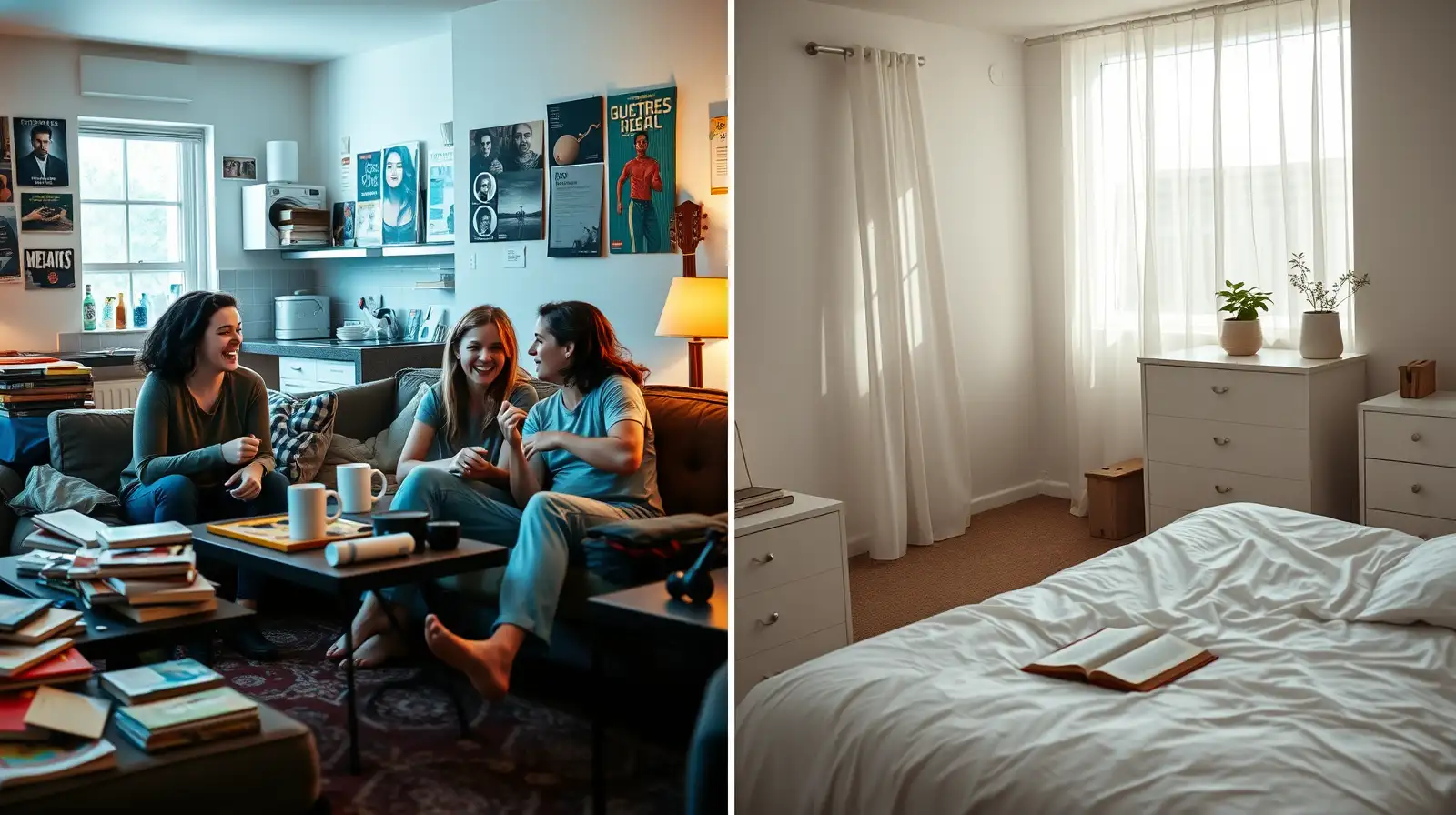
Solitude refers to spending time by yourself, often by choice. Many people find it relaxing and use it to recharge after a demanding day.
Loneliness, on the other hand, is the feeling that your social or emotional connections are insufficient. A person can experience loneliness even when surrounded by others.
Someone living alone may have a rich social life, regular conversations with friends and strong relationships with family.
Meanwhile, someone living in a busy household may still feel emotionally isolated.
The difference often lies in the quality of relationships rather than the number of people nearby.
Introverted individuals often enjoy quieter environments and may prefer spending more time alone. This does not mean they dislike people or lack social skills.
Extroverted individuals may find social interaction energising and enjoy having people around them more frequently.
However, these categories are not rigid. Many people fall somewhere between the two and may enjoy both socialising and solitude, depending on their mood and circumstances.
Research into personality suggests that individual differences influence how people respond to stimulation, social interaction and their surroundings.
Ultimately, personality is only one factor shaping living preferences.
They can decide when to eat, how to organise their home and how to spend their free time without having to negotiate everyday decisions with others.
This freedom can be particularly valuable for people who have spent years living according to family expectations, shared schedules or demanding work routines.
Psychological research on self-determination highlights autonomy as an important human need.
Having control over personal choices can contribute to satisfaction and well-being.
However, independence does not mean that people no longer need emotional support or meaningful relationships.
Someone who has experienced constant conflict in a shared household may appreciate the peace of living alone.
Another person who grew up in a large, close-knit family may find an empty home unfamiliar or emotionally uncomfortable.
These preferences can also change over time.
A university student may initially enjoy sharing accommodation with friends but later prefer living alone after starting a demanding career.
Similarly, someone who once valued complete independence may eventually seek companionship.
Our preferences are not necessarily fixed for life.
In many societies, including parts of India, multigenerational households have traditionally been common. Living with family may provide emotional support, shared responsibilities and financial advantages.
In other countries, independent living is more widely accepted, particularly among young adults and older people.
However, cultural patterns are changing. Urbanisation, career opportunities and migration have encouraged more people to live away from their families.
Economic conditions also play a major role. For many individuals, sharing a home is a financial necessity rather than simply a lifestyle preference.
Managing bills, preparing meals and maintaining a household can build confidence and self-reliance.
Some people also find that solitude creates opportunities for creative activities, reading or uninterrupted rest.
A quiet home can provide a welcome break from the demands of work and social life.
However, these benefits depend on personal circumstances. Living alone can also bring additional responsibilities, financial pressure and the need to plan for emergencies.
Having someone to talk to after a difficult day, share meals with or celebrate small achievements can make everyday life more enjoyable.
Living with others may also reduce practical burdens, such as household expenses and domestic responsibilities.
For older adults, social connection can be particularly important, although living alone does not automatically indicate social isolation.
The quality of relationships, access to support and personal circumstances all matter.
Some people experience greater satisfaction when they have their own space, while others feel happier in a shared household.
Research on social isolation and loneliness shows that a lack of meaningful social connections can affect well-being. However, living alone and being socially isolated are not the same thing.
What matters most is whether people have the emotional support, independence and sense of belonging they need.
A person can enjoy solitude while maintaining strong relationships with friends, family and colleagues.
The Difference Between Solitude and Loneliness
One of the most important distinctions is that living alone does not necessarily mean feeling lonely.Solitude refers to spending time by yourself, often by choice. Many people find it relaxing and use it to recharge after a demanding day.
Loneliness, on the other hand, is the feeling that your social or emotional connections are insufficient. A person can experience loneliness even when surrounded by others.
Someone living alone may have a rich social life, regular conversations with friends and strong relationships with family.
Meanwhile, someone living in a busy household may still feel emotionally isolated.
The difference often lies in the quality of relationships rather than the number of people nearby.
Personality Can Influence Our Preferences
Personality plays a role in how people experience social interaction .Introverted individuals often enjoy quieter environments and may prefer spending more time alone. This does not mean they dislike people or lack social skills.
Extroverted individuals may find social interaction energising and enjoy having people around them more frequently.
However, these categories are not rigid. Many people fall somewhere between the two and may enjoy both socialising and solitude, depending on their mood and circumstances.
Research into personality suggests that individual differences influence how people respond to stimulation, social interaction and their surroundings.
Ultimately, personality is only one factor shaping living preferences.
Why Independence Feels So Rewarding
For some people, living alone offers a strong sense of autonomy.They can decide when to eat, how to organise their home and how to spend their free time without having to negotiate everyday decisions with others.
This freedom can be particularly valuable for people who have spent years living according to family expectations, shared schedules or demanding work routines.
Psychological research on self-determination highlights autonomy as an important human need.
Having control over personal choices can contribute to satisfaction and well-being.
However, independence does not mean that people no longer need emotional support or meaningful relationships.
Past Experiences Can Shape Our Choices
A person’s previous living experiences can strongly influence whether they enjoy solitude.Someone who has experienced constant conflict in a shared household may appreciate the peace of living alone.
Another person who grew up in a large, close-knit family may find an empty home unfamiliar or emotionally uncomfortable.
These preferences can also change over time.
A university student may initially enjoy sharing accommodation with friends but later prefer living alone after starting a demanding career.
Similarly, someone who once valued complete independence may eventually seek companionship.
Our preferences are not necessarily fixed for life.
Culture and Family Expectations Matter
Cultural background can influence attitudes towards living alone.In many societies, including parts of India, multigenerational households have traditionally been common. Living with family may provide emotional support, shared responsibilities and financial advantages.
In other countries, independent living is more widely accepted, particularly among young adults and older people.
However, cultural patterns are changing. Urbanisation, career opportunities and migration have encouraged more people to live away from their families.
Economic conditions also play a major role. For many individuals, sharing a home is a financial necessity rather than simply a lifestyle preference.
The Hidden Benefits of Living Alone
Living alone can encourage people to develop practical skills and a stronger understanding of their personal routines.Managing bills, preparing meals and maintaining a household can build confidence and self-reliance.
Some people also find that solitude creates opportunities for creative activities, reading or uninterrupted rest.
A quiet home can provide a welcome break from the demands of work and social life.
However, these benefits depend on personal circumstances. Living alone can also bring additional responsibilities, financial pressure and the need to plan for emergencies.
Why Some People Prefer Company
For others, sharing a home offers a sense of security and emotional connection.Having someone to talk to after a difficult day, share meals with or celebrate small achievements can make everyday life more enjoyable.
Living with others may also reduce practical burdens, such as household expenses and domestic responsibilities.
You may also like
- Burning While Urinating? These UTI Symptoms Should Not Be Ignored
- Can Sitting for Long Hours Harm Your Kidneys? Know the Risks and Simple Ways to Stay Active
- New rules for birth and death registration to come into effect on October 1; court visits will now be required..
- No more hassle with the new FASTag! NHAI has launched OneTag; find out how it works..
- 'Bharat Taxi' services—including bikes, autos, and cabs—will reach UP villages; find out how it works..
For older adults, social connection can be particularly important, although living alone does not automatically indicate social isolation.
The quality of relationships, access to support and personal circumstances all matter.
Is Living Alone Better for Mental Well-Being?
There is no universal answer.Some people experience greater satisfaction when they have their own space, while others feel happier in a shared household.
Research on social isolation and loneliness shows that a lack of meaningful social connections can affect well-being. However, living alone and being socially isolated are not the same thing.
What matters most is whether people have the emotional support, independence and sense of belonging they need.
A person can enjoy solitude while maintaining strong relationships with friends, family and colleagues.






Loving Newspoint? Download the app now
