
Why Some Places on Earth Have Almost No Light Pollution

Stand in the centre of a major city at night and the sky rarely looks truly black. It may appear orange, grey or hazy, even when there are no clouds. Travel hundreds of kilometres into a desert, mountain range or remote island, however, and the difference can be astonishing. The reason is light pollution , particularly artificial light that escapes upwards or is scattered through the atmosphere. Geography, population density, weather and deliberate conservation policies all help explain why some destinations remain exceptionally dark.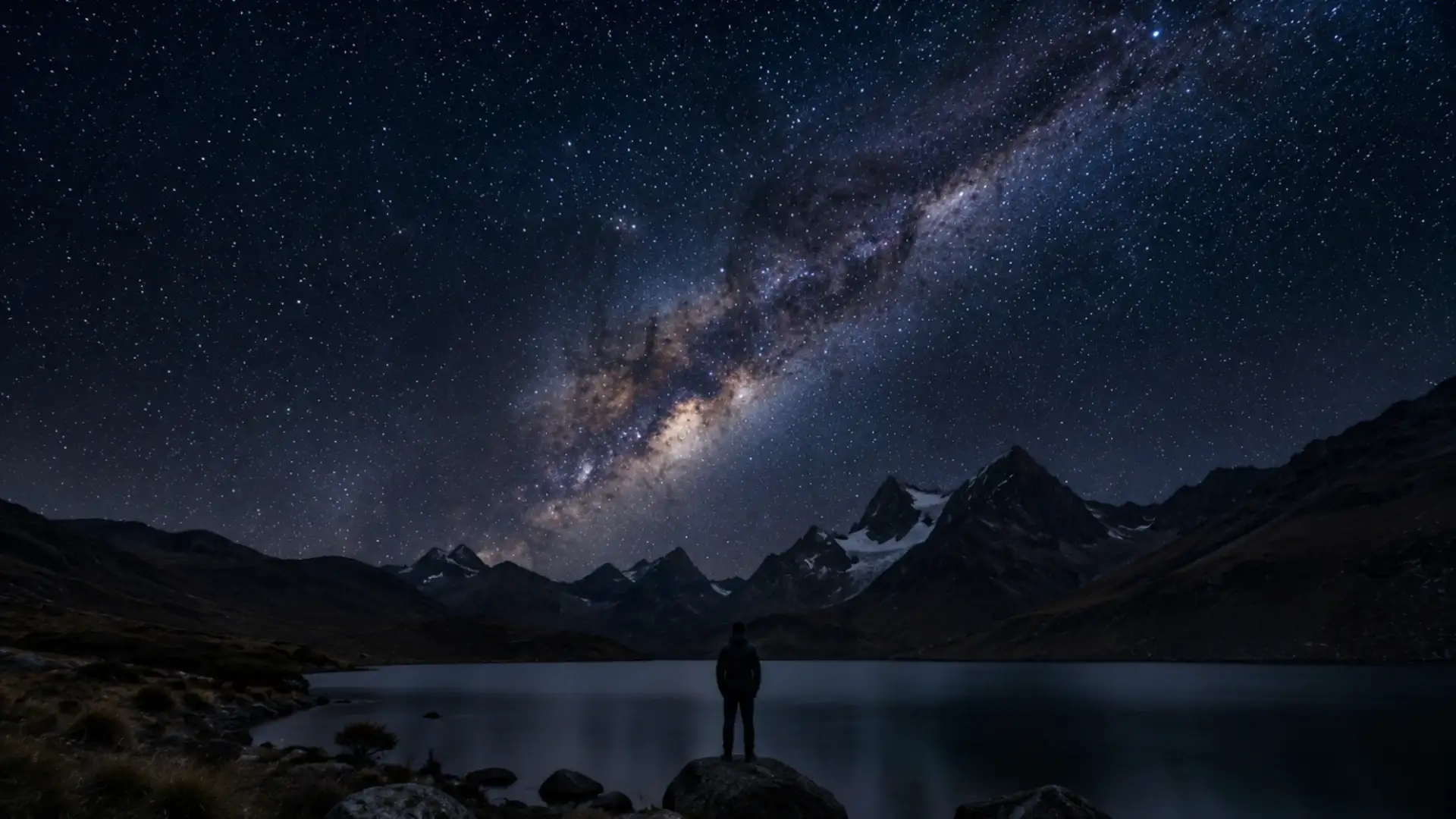
A landmark global study found that more than 80 per cent of the world's population lives under light-polluted skies and that the Milky Way cannot be seen by more than one-third of humanity.
Islands and mountain regions can have similar advantages when population and development are limited.
DarkSky International therefore recognises protected communities, parks, reserves and sanctuaries that work to preserve natural darkness. Its international network now covers dark-sky locations across six continents.
NamibRand demonstrates how conservation and tourism can work together. Its management explicitly recognises that excessive artificial lighting can affect wildlife and reduce the quality of the night environment.
As cities expand and artificial lighting spreads, places where the Milky Way remains obvious to the naked eye are becoming increasingly valuable. The future of stargazing may therefore depend less on discovering new places and more on preserving the darkness that already exists.
Cities Create a Glow That Travels
Streetlights, buildings, advertising signs, industrial sites and sports facilities all contribute to artificial illumination. Much of this light is not needed for the ground below. It escapes upwards or reflects from surfaces and is scattered by atmospheric particles, creating skyglow.A landmark global study found that more than 80 per cent of the world's population lives under light-polluted skies and that the Milky Way cannot be seen by more than one-third of humanity.
Geography Makes a Huge Difference
Remote deserts are naturally suited to dark skies because they contain few towns and relatively little infrastructure. The Atacama Desert is a perfect example. Its high altitude, extreme dryness and distance from major population centres create exceptional observing conditions. ESO describes the region around Paranal as offering some of the darkest and clearest astronomical skies on Earth.Islands and mountain regions can have similar advantages when population and development are limited.
You may also like
- Struggling to Sleep at Night? 8 Simple Habits That May Help You Get Better Rest
- Smartphone has become a disease: Amish on parenting, books and Gen Z attention spans
- When grandparents tell stories, children gain more than memories: 3 science-backed benefits
- DU college's student group expands sustainable soap initiative
- PM Kisan Yojana: If four brothers farm the same land, who gets the ₹6,000? Find out here..
Conservation Can Protect Darkness
Geography alone is not enough. A destination can be remote but still suffer from poorly designed lighting.DarkSky International therefore recognises protected communities, parks, reserves and sanctuaries that work to preserve natural darkness. Its international network now covers dark-sky locations across six continents.
NamibRand demonstrates how conservation and tourism can work together. Its management explicitly recognises that excessive artificial lighting can affect wildlife and reduce the quality of the night environment.
Why It Matters Beyond Astronomy
Light pollution is not merely an inconvenience for stargazers. Artificial light can interfere with nocturnal wildlife behaviour, including feeding, migration and reproduction. It also changes natural day-night cycles. Research into human health is continuing, although the direct effects of typical outdoor light exposure remain an active scientific question.Darkness as a Modern Natural Resource
The most interesting thing about dark-sky destinations is that darkness does not have to be manufactured. It simply has to be protected.As cities expand and artificial lighting spreads, places where the Milky Way remains obvious to the naked eye are becoming increasingly valuable. The future of stargazing may therefore depend less on discovering new places and more on preserving the darkness that already exists.






Loving Newspoint? Download the app now
