
Why Some Plants And Insects Depend On Ants To Survive

Ants are among the most influential insects on Earth, shaping ecosystems in ways most people never notice. While they are often seen as simple scavengers, many species play a crucial role in mutualistic relationships with plants and insects. In fact, some organisms depend entirely on ants to survive.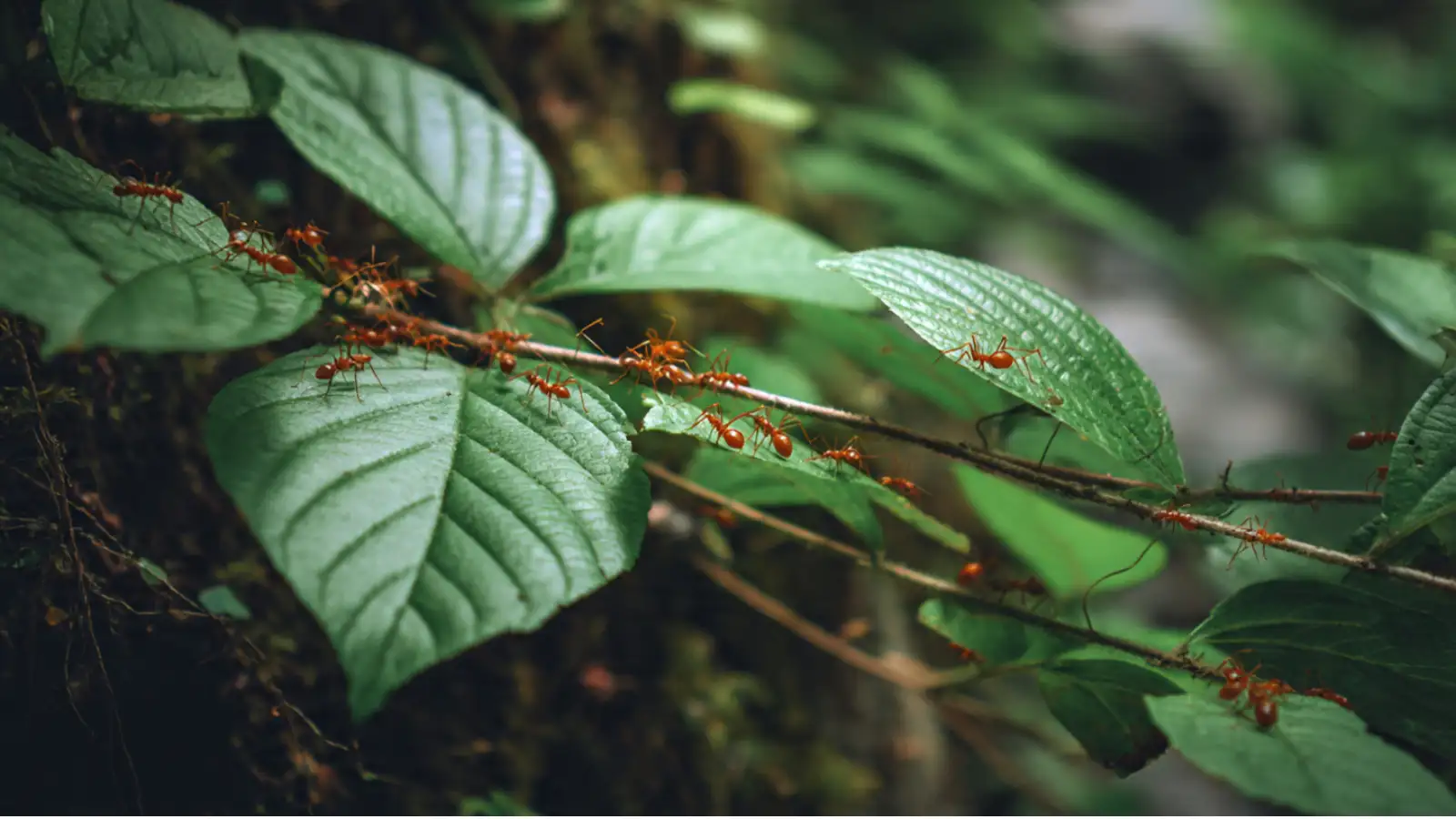
Understanding this fascinating connection reveals how deeply interconnected nature truly is.
This makes ants highly effective natural bodyguards. They attack insects, deter grazing animals, and even prune competing vegetation. Without ants, many of these plants would suffer severe damage or fail to reproduce successfully.
In these cases, the plant and ant species have evolved together over millions of years. The plant depends on ants for protection, while ants rely on the plant for survival resources.
Read More: How Dust Affects Indoor Plants and How to Care for Them
This is a classic example of ant-insect symbiosis, where both species benefit, but the insects often become dependent on ant protection for survival.
Some butterfly species, such as the large blue butterfly, even require ants during their larval stage. The caterpillars mimic ant signals or produce secretions that convince ants to protect them inside their nests.
Ants provide defence, food exchange, and environmental stability and services that are difficult for other species to replace.
Without ants, many environments would collapse into less stable and less diverse systems.
This highlights the importance of preserving biodiversity and understanding ant-dependent ecosystems in conservation efforts.
Some plants and insects depend on ants to stay alive because ants provide protection, food, and survival advantages that cannot easily be replaced. These relationships demonstrate the complexity of nature’s partnerships. From guarding plants to protecting tiny insects, ants are silent but powerful allies in maintaining ecological balance.
Understanding this fascinating connection reveals how deeply interconnected nature truly is.
Ants as Nature’s Bodyguards
One of the most well-known examples of ant-plant mutualism is found in certain tropical plants such as acacias. These plants provide ants with food and shelter in the form of nectar and hollow thorns. In return, ants aggressively defend the plant against herbivores.This makes ants highly effective natural bodyguards. They attack insects, deter grazing animals, and even prune competing vegetation. Without ants, many of these plants would suffer severe damage or fail to reproduce successfully.
Plants That Feed and House Ants
Some plants go even further by creating specialised structures called domatia, small chambers designed specifically for ants. These plants offer both food and shelter, forming a tightly linked survival system known as obligate ant-plant relationships.In these cases, the plant and ant species have evolved together over millions of years. The plant depends on ants for protection, while ants rely on the plant for survival resources.
Read More: How Dust Affects Indoor Plants and How to Care for Them
Insects That Depend on Ants
It is not just plants that rely on ants. Certain insects, such as aphids and butterfly larvae, also depend heavily on them. Aphids produce a sugary substance called honeydew, which ants collect as food. In return, ants protect aphids from predators like ladybirds.This is a classic example of ant-insect symbiosis, where both species benefit, but the insects often become dependent on ant protection for survival.
Some butterfly species, such as the large blue butterfly, even require ants during their larval stage. The caterpillars mimic ant signals or produce secretions that convince ants to protect them inside their nests.
Why This Relationship Exists
The reason behind these complex relationships lies in evolution. Over time, species that interacted with ants in beneficial ways had higher survival rates. This led to highly specialised ecological dependency on ants , where entire life cycles became linked to ant behaviour.You may also like
- Discover Your Personality Through Home Preferences: Beach, Hills, or City?
- Home decor, interior design experts reveal one colour you should never paint your walls
- From a bus conductor to a TOI Ecopreneur Award recipient: How M Yoganathan's small efforts created a big impact for the environment
- Effective Home Remedies for Treating Baltod
- Parents note: Simple childhood habit that builds smarter, happier kids
Ants provide defence, food exchange, and environmental stability and services that are difficult for other species to replace.
Ants as Ecosystem Engineers
Beyond direct relationships, ants also improve soil quality, spread seeds, and regulate insect populations. This makes them crucial ecosystem engineers in nature. Their activity indirectly supports many plants and insects that rely on healthy soil and balanced ecosystems.Without ants, many environments would collapse into less stable and less diverse systems.
A Delicate Balance in Nature
The dependence of some plants and insects on ants shows how fragile ecological systems can be. If ant populations decline due to climate change, habitat loss, or pesticides, entire networks of species could be affected.This highlights the importance of preserving biodiversity and understanding ant-dependent ecosystems in conservation efforts.
Some plants and insects depend on ants to stay alive because ants provide protection, food, and survival advantages that cannot easily be replaced. These relationships demonstrate the complexity of nature’s partnerships. From guarding plants to protecting tiny insects, ants are silent but powerful allies in maintaining ecological balance.






More from our partners


Loving Newspoint? Download the app now
