
Why Sudden Head Rush When Standing Up Could Signal Postural Hypotension


Experiencing a sudden wave of dizziness, room-spinning vertigo, or lightheadedness when rising from bed in the morning or standing up abruptly from a seated posture is frequently brushed aside as routine grogginess, but clinical experts caution that it could indicate postural hypotension (orthostatic hypotension). While baseline low blood pressure (hypotension) is relatively common and often asymptomatic in healthy individuals, postural hypotension specifically triggers a steep, sharp drop in systemic blood pressure within three minutes of transitioning to an upright posture.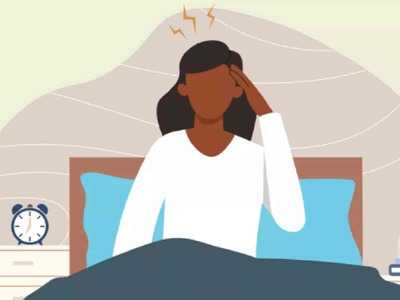 This momentary hemodynamic failure restricts adequate oxygenated blood flow to vital organs—most notably the brain—leaving individuals vulnerable to sudden cognitive fuzziness, loss of balance, syncope (fainting), and dangerous traumatic fall injuries, particularly among senior citizens and elderly adults.The Gravitational Shift: How Orthostatic Drops Deprive the Brain of Vital OxygenWhen an individual remains seated or recumbent for extended intervals, gravity naturally redistributes a significant volume of circulating blood downward toward the lower extremities and splanchnic circulation.In a healthy cardiovascular system, autonomic baroreceptors rapidly trigger blood vessel constriction and an increased heart rate to maintain cerebral perfusion; however, when this regulatory mechanism lags, blood pools in the legs, and arterial blood pressure plunges precipitously within one to three minutes of standing. This transient ischemic state starves brain tissue of immediate glucose and oxygen delivery, producing hallmark clinical warnings including severe heaviness in the head, blurred or tunneling vision, sudden disorientation, nausea, clammy hands with cold perspiration, hyperventilation, debilitating fatigue, and an abrupt inability to sustain mental focus.Managing the Risk: Elevation Techniques, Mindful Posture Shifts, and Cardiovascular SafetyMedical professionals stress that while clinical attention often focuses on the dangers of hypertension in generating heart disease and strokes, unchecked postural hypotension carries acute secondary health risks that demand proactive clinical management.To counteract gravitational pooling and prevent dangerous syncopal collapses, physicians recommend sleeping with the head of the bed slightly elevated, hydrating thoroughly before rising, and practicing deliberate, phased postural adjustments—such as sitting at the edge of the bed for a couple of minutes to let blood circulation calibrate before standing up. Simple lifestyle habits like flexing calf muscles before standing, avoiding sudden transitions, and consulting healthcare specialists to evaluate potential cardiovascular or neurological triggers can effectively safeguard daily mobility, reduce fall risks, and restore optimal blood pressure stability.
Next Story