
Why Skipping Sunscreen on Cloudy Days Can Damage Your Skin

A grey sky, steady drizzle, and the comfort of hot tea often make sunscreen the last thing on anyone’s mind. The bottle stays untouched on the dresser with a familiar thought,there’s no sun today, so it can wait.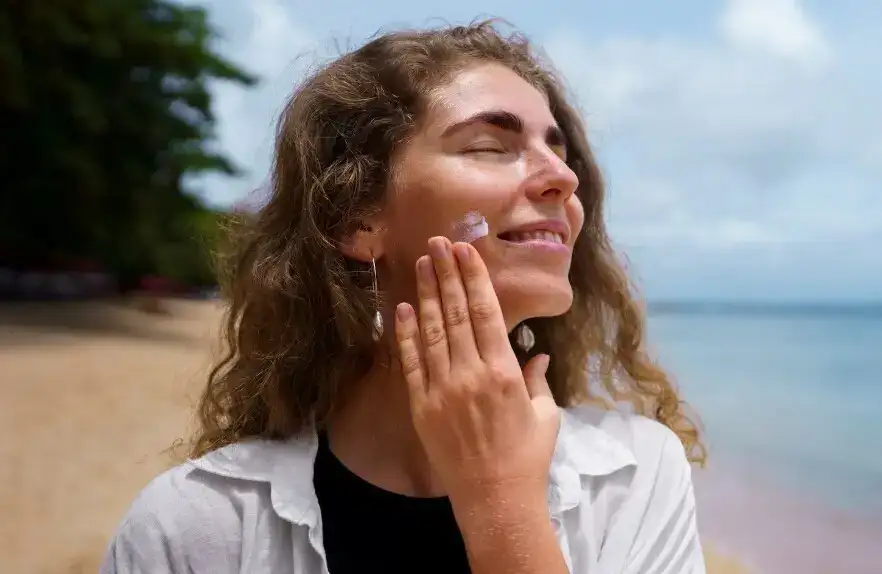
That’s where most skincare routines go wrong.
According to Dr. Kaushal Verma, Head of Dermatology at AIIMS Delhi, skin damage doesn’t pause for clouds. In fact, he notes that UV-related harm can be just as intense on overcast days, and sometimes even more deceptive.
Here’s why sunscreen is non-negotiable, even when the sun is hidden.
1. Clouds reduce light, not UV damage
There are two main types of ultraviolet rays: UVB and UVA.
Even worse, cloud cover scatters UV rays, allowing them to reach your skin from multiple angles. That means exposure doesn’t stop under shade, umbrellas, or balconies.
The result? Wrinkles, pigmentation, sagging skin, and long-term damage still continue silently.
2. Glass is not a shield against UVA
Many people assume they are protected indoors or inside a vehicle. Unfortunately, standard glass tells a different story.
While it blocks most UVB rays, UVA rays pass through it almost freely. This means exposure continues while sitting near windows, working indoors with sunlight exposure, or even driving.
Research has shown a pattern where one side of the face, often the side near the car window, shows more signs of sun damage over time. The exposure is slow, repetitive, and easy to ignore, which makes it more harmful in the long run.
3. Aging happens without sunburn
Skin doesn’t need visible tanning or burning to age.
A large portion of visible aging, fine lines, dark spots, uneven tone, comes from UV exposure rather than just natural aging. This process is known as photoaging.
Over time, skipping sunscreen on cloudy or rainy days can quietly add years of skin damage. The effects don’t show immediately, but they build up gradually and become visible later in life.
That’s why dermatology experts recommend sunscreen every single day, regardless of weather conditions.
Choosing the right sunscreen for monsoon weather
Not all sunscreens feel comfortable in humid conditions. The key is selecting the right type and using it correctly.
SPF and protection level
Texture matters in humidity
Heavy creams can feel sticky and may clog pores during monsoon weather. Lightweight gel-based or water-based formulas are better suited for sweaty conditions. Non-comedogenic options are ideal for acne-prone skin.
How much to use
A simple guide is the two-finger rule—apply enough sunscreen to fully cover the index and middle fingers for face and neck. Using too little drastically reduces effectiveness.
Reapplication
Sunscreen wears off with sweat, water, and time. Reapply every 2-3 hours when outdoors. Even indoors, a morning application is essential if you are exposed to daylight.
Common sunscreen myths, explained
Makeup with SPF is enough
Most makeup products contain low SPF and are not applied in sufficient quantity to provide full protection. They should not replace sunscreen.
It’s not needed in monsoon or winter
UV rays remain active throughout the year, regardless of season. Reflection from surfaces like water and sand can even increase exposure.
Darker skin doesn’t need sunscreen
Melanin offers partial protection against UVB, but UVA damage and pigmentation issues can still affect all skin tones.
An umbrella protects me completely
While it reduces direct exposure, UV rays can still reflect off surfaces and reach the skin from different directions.
When sunscreen should be avoided
Sunscreen is generally safe, but there are a few exceptions:
More than skincare: a long-term investment
Sunscreen is not just a cosmetic step—it functions as daily protection against premature aging and skin damage. Over time, consistent use can prevent expensive dermatological treatments that may be needed to reverse sun-related damage.
A simple daily habit offers protection that lasts years.
Weather changes, but UV exposure doesn’t take a break. Clouds may hide the sun, but they don’t stop its effects. Sunscreen is not just for summer, it’s a year-round essential that quietly protects your skin every single day, even when the sky looks safe.
That’s where most skincare routines go wrong.
According to Dr. Kaushal Verma, Head of Dermatology at AIIMS Delhi, skin damage doesn’t pause for clouds. In fact, he notes that UV-related harm can be just as intense on overcast days, and sometimes even more deceptive.
Here’s why sunscreen is non-negotiable, even when the sun is hidden.
1. Clouds reduce light, not UV damage
There are two main types of ultraviolet rays: UVB and UVA. - UVB rays are responsible for sunburn.
- UVA rays penetrate deeper, damaging collagen and accelerating skin aging.
Even worse, cloud cover scatters UV rays, allowing them to reach your skin from multiple angles. That means exposure doesn’t stop under shade, umbrellas, or balconies.
The result? Wrinkles, pigmentation, sagging skin, and long-term damage still continue silently.
2. Glass is not a shield against UVA
Many people assume they are protected indoors or inside a vehicle. Unfortunately, standard glass tells a different story. While it blocks most UVB rays, UVA rays pass through it almost freely. This means exposure continues while sitting near windows, working indoors with sunlight exposure, or even driving.
Research has shown a pattern where one side of the face, often the side near the car window, shows more signs of sun damage over time. The exposure is slow, repetitive, and easy to ignore, which makes it more harmful in the long run.
3. Aging happens without sunburn
Skin doesn’t need visible tanning or burning to age. A large portion of visible aging, fine lines, dark spots, uneven tone, comes from UV exposure rather than just natural aging. This process is known as photoaging.
Over time, skipping sunscreen on cloudy or rainy days can quietly add years of skin damage. The effects don’t show immediately, but they build up gradually and become visible later in life.
That’s why dermatology experts recommend sunscreen every single day, regardless of weather conditions.
Choosing the right sunscreen for monsoon weather
Not all sunscreens feel comfortable in humid conditions. The key is selecting the right type and using it correctly.
SPF and protection level
- SPF 30 is the minimum recommended level, blocking most UVB rays.
- Higher SPF values offer slightly more protection, but the difference is small.
- Look for “broad spectrum” protection to cover both UVA and UVB rays.
- A PA+++ or PA++++ rating ensures stronger UVA protection.
Texture matters in humidity
Heavy creams can feel sticky and may clog pores during monsoon weather. Lightweight gel-based or water-based formulas are better suited for sweaty conditions. Non-comedogenic options are ideal for acne-prone skin. How much to use
A simple guide is the two-finger rule—apply enough sunscreen to fully cover the index and middle fingers for face and neck. Using too little drastically reduces effectiveness. Reapplication
Sunscreen wears off with sweat, water, and time. Reapply every 2-3 hours when outdoors. Even indoors, a morning application is essential if you are exposed to daylight. Common sunscreen myths, explained
Makeup with SPF is enoughMost makeup products contain low SPF and are not applied in sufficient quantity to provide full protection. They should not replace sunscreen.
It’s not needed in monsoon or winter
UV rays remain active throughout the year, regardless of season. Reflection from surfaces like water and sand can even increase exposure.
Darker skin doesn’t need sunscreen
Melanin offers partial protection against UVB, but UVA damage and pigmentation issues can still affect all skin tones.
An umbrella protects me completely
While it reduces direct exposure, UV rays can still reflect off surfaces and reach the skin from different directions.
When sunscreen should be avoided
Sunscreen is generally safe, but there are a few exceptions: - Infants below 6 months should not use sunscreen unless advised by a doctor.
- It should not be applied over active skin rashes without medical guidance.
- It is not required during nighttime.
More than skincare: a long-term investment
Sunscreen is not just a cosmetic step—it functions as daily protection against premature aging and skin damage. Over time, consistent use can prevent expensive dermatological treatments that may be needed to reverse sun-related damage. A simple daily habit offers protection that lasts years.
Weather changes, but UV exposure doesn’t take a break. Clouds may hide the sun, but they don’t stop its effects. Sunscreen is not just for summer, it’s a year-round essential that quietly protects your skin every single day, even when the sky looks safe.
Next Story