
Why You Should Turn Off Your Car At The Fuel Pump

You pull into a petrol station, stop beside the pump and almost immediately see the same instruction: switch off your engine. But if the car is already sitting still, what difference does switching the engine off actually make? The answer has less to do with the car moving and much more to do with what is happening around the fuel nozzle. It is not because a running engine is guaranteed to ignite petrol. The point is to remove unnecessary potential sources of heat, sparks or electrical activity while fuel is being handled.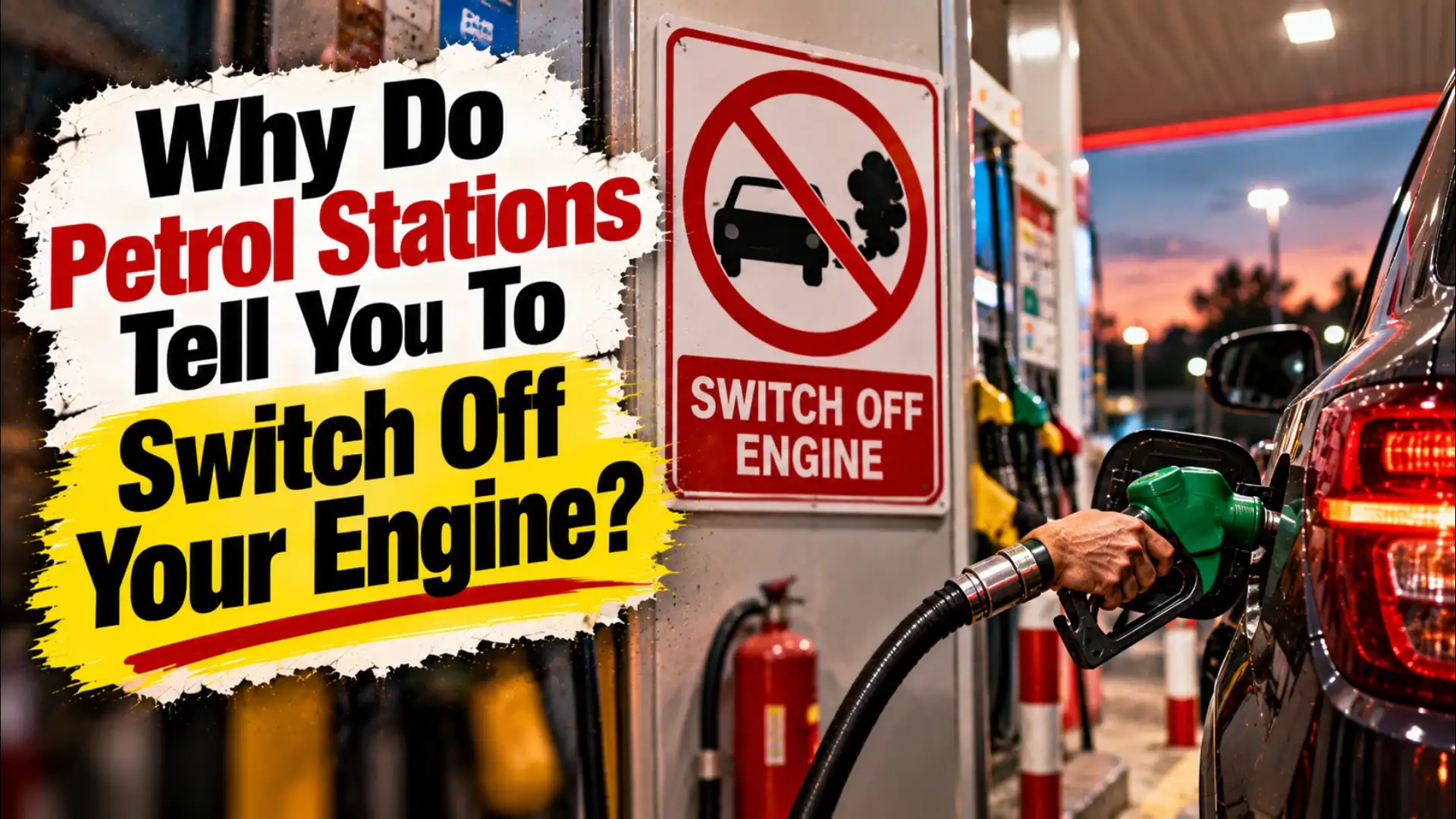
That is why petrol stations are designed around controlling potential ignition sources. Smoking is prohibited, open flames are not allowed and drivers are asked to switch off their engines. The goal is not to suggest that every running car is about to cause a fire. It is about reducing avoidable risks in an environment where flammable fuel is being transferred.
But there is also very little reason to keep it running while you refuel. Switching the engine off removes one category of unnecessary activity while fuel is being handled. It is a straightforward example of a broader safety principle: when you are carrying out a potentially hazardous task, remove things that do not need to be operating at the same time. The few seconds it takes to turn off the engine are therefore an easy precaution.
The station environment also controls obvious ignition sources. Smoking and open flames are prohibited, and procedures are in place for dealing with spills or other incidents. Static electricity is another potential ignition source that fuel-handling procedures take into account. This is one reason it is sensible to avoid unnecessary actions around the pump and follow the station's instructions while refuelling.
So the next time you see that familiar ‘Switch Off Engine’ sign, remember what it is really about. It is not about the car moving. It is about creating as few unnecessary ignition opportunities as possible while highly flammable fuel is being handled. At a petrol station, sometimes the safest thing your engine can do is simply nothing.
The Real Problem Is Petrol Vapour
When you think about petrol at a fuel station, you probably imagine the liquid itself. But the vapour around it is an important part of the safety equation. Petrol evaporates easily, producing vapour that can ignite if it encounters a suitable ignition source. During refuelling, vapour can be present around the nozzle, the vehicle's filler opening and the surrounding area.That is why petrol stations are designed around controlling potential ignition sources. Smoking is prohibited, open flames are not allowed and drivers are asked to switch off their engines. The goal is not to suggest that every running car is about to cause a fire. It is about reducing avoidable risks in an environment where flammable fuel is being transferred.
You may also like
- Should you feed your child fruit or give them juice? There is a significant difference between the two..
- Vegetarian Diet: 5 Key Nutrients You May Need to Watch and the Best Food Sources
- Hemoglobin Test Explained: What Your Hb Level Means and When Low Results Need Medical Attention
- Asthma Care During Weather Changes: Foods to Eat, Triggers to Avoid and Key Health Tips
- Is consciousness overrated?
So Why Switch Off The Engine?
A running vehicle has several systems operating at the same time. There are electrical circuits, moving mechanical components and sources of heat. The engine itself also produces considerable heat, even when the car is stationary. Modern vehicles have extensive safety systems, so simply leaving an engine running does not mean petrol will suddenly catch fire.But there is also very little reason to keep it running while you refuel. Switching the engine off removes one category of unnecessary activity while fuel is being handled. It is a straightforward example of a broader safety principle: when you are carrying out a potentially hazardous task, remove things that do not need to be operating at the same time. The few seconds it takes to turn off the engine are therefore an easy precaution.
It Is Not Just About The Engine
The engine rule makes much more sense when you see it as one part of a larger safety system. Petrol stations have equipment and procedures designed specifically around the risks associated with storing and dispensing fuel. Pumps, underground storage tanks, fuel lines and dispensing systems are designed with safety considerations built into them.The station environment also controls obvious ignition sources. Smoking and open flames are prohibited, and procedures are in place for dealing with spills or other incidents. Static electricity is another potential ignition source that fuel-handling procedures take into account. This is one reason it is sensible to avoid unnecessary actions around the pump and follow the station's instructions while refuelling.
Why The Rule Still Matters
It might seem excessive to switch off a perfectly healthy car for the few minutes it takes to fill the tank. But safety rules are often designed around reducing risk rather than waiting for a dangerous situation to develop. A running engine does not automatically mean there is going to be a fire. What matters is that petrol vapour is present and ignition sources are something that can be controlled.So the next time you see that familiar ‘Switch Off Engine’ sign, remember what it is really about. It is not about the car moving. It is about creating as few unnecessary ignition opportunities as possible while highly flammable fuel is being handled. At a petrol station, sometimes the safest thing your engine can do is simply nothing.






Loving Newspoint? Download the app now
