
Why The Netherlands Is Known As The Country Of Canals

The Netherlands, a picturesque nation in northwestern Europe, is celebrated worldwide as the “Country of Canals.” Its extensive waterway system not only prevents flooding but also supports transport, commerce, and tourism. Cities like Amsterdam, Utrecht, and Delft owe much of their charm and functionality to these historic canals, which blend human ingenuity with natural beauty.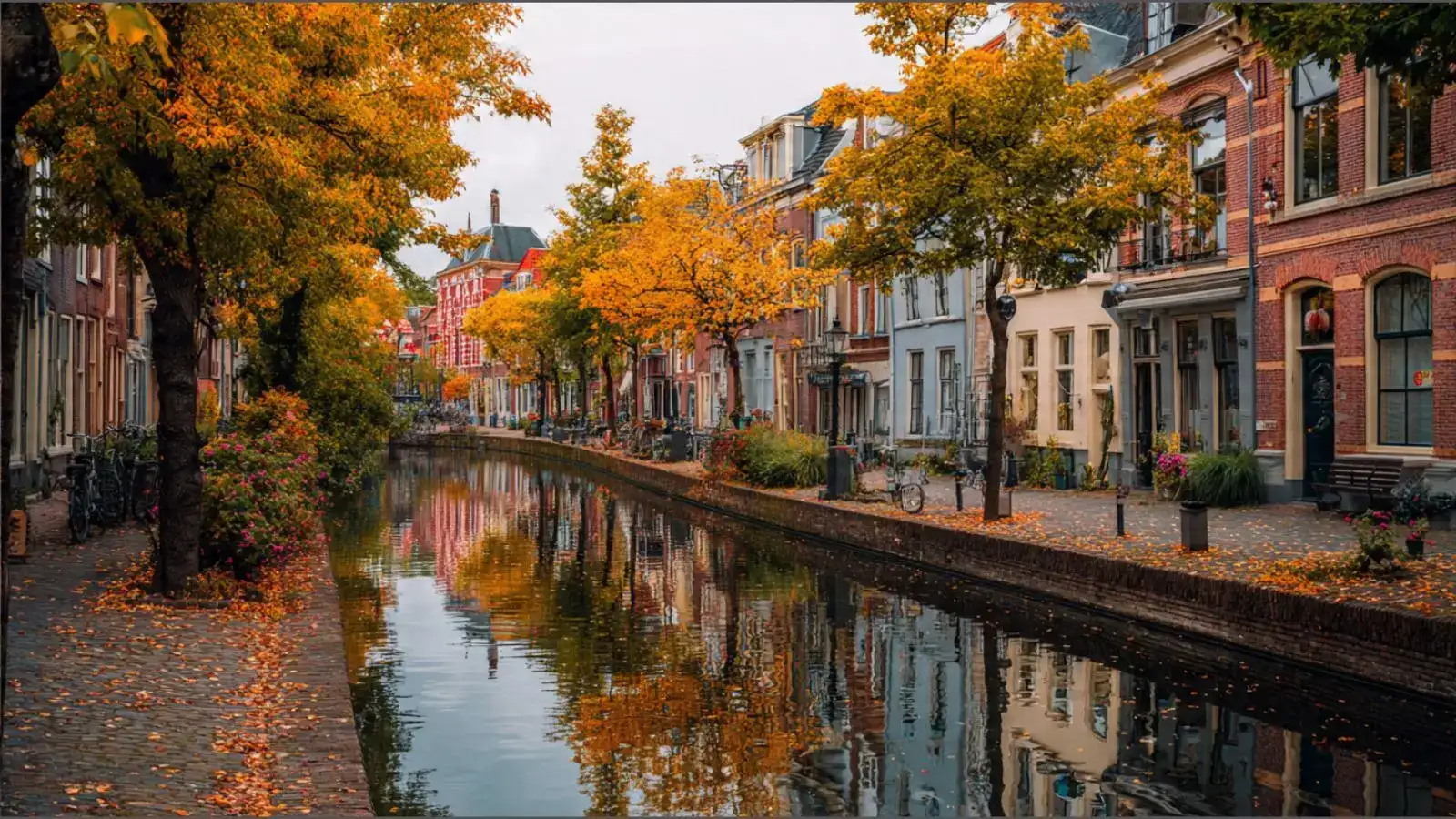
Why is the Netherlands Known as the Country of Canals ?
Much of the Netherlands lies below sea level. Centuries ago, the Dutch began constructing canals to drain excess water, reclaim land, and prevent floods. Over time, these waterways became essential trade routes, transport channels, and cultural landmarks. Today, the Netherlands’ canals are both practical infrastructure and a defining feature of the country’s identity.
Read More: Which Famous City Is Called The City Of Canals? Facts You Should Know
How Canals Shaped Dutch History and Urban Life
Canals have played a central role in Dutch civilisation. During the Dutch Golden Age, they connected inland towns to major seaports, boosting commerce and urban development. Beyond trade, canals influenced city planning, architecture, and social life. From boat tours to waterfront cafés, canals remain a vital part of daily life and tourism in the Netherlands.
Amsterdam: The Canal Capital
Amsterdam, often called the “Venice of the North,” features over 100 kilometres of canals, 90 islands, and 1,500 bridges. Its 17th-century canal ring, the Grachtengordel , is a UNESCO World Heritage Site. Originally designed for defence and trade, these canals now attract millions of tourists for boat rides, scenic walks, and cultural experiences.
Read More: Which Canal Bridges The Mediterranean Sea To The Red Sea?
Utrecht: The Unique Two-Level Canals
Utrecht’s canals are among the world’s most distinctive. Built in the Middle Ages, the two-tier canal system allows pedestrians and restaurants at water level while traffic flows above. This ingenious design was created for merchants and continues to be a functional and charming feature of the city today.
Why is the Netherlands Known as the Country of Canals ?
Much of the Netherlands lies below sea level. Centuries ago, the Dutch began constructing canals to drain excess water, reclaim land, and prevent floods. Over time, these waterways became essential trade routes, transport channels, and cultural landmarks. Today, the Netherlands’ canals are both practical infrastructure and a defining feature of the country’s identity. Read More: Which Famous City Is Called The City Of Canals? Facts You Should Know
How Canals Shaped Dutch History and Urban Life
Canals have played a central role in Dutch civilisation. During the Dutch Golden Age, they connected inland towns to major seaports, boosting commerce and urban development. Beyond trade, canals influenced city planning, architecture, and social life. From boat tours to waterfront cafés, canals remain a vital part of daily life and tourism in the Netherlands. Amsterdam: The Canal Capital
Amsterdam, often called the “Venice of the North,” features over 100 kilometres of canals, 90 islands, and 1,500 bridges. Its 17th-century canal ring, the Grachtengordel , is a UNESCO World Heritage Site. Originally designed for defence and trade, these canals now attract millions of tourists for boat rides, scenic walks, and cultural experiences.Read More: Which Canal Bridges The Mediterranean Sea To The Red Sea?
Utrecht: The Unique Two-Level Canals
Utrecht’s canals are among the world’s most distinctive. Built in the Middle Ages, the two-tier canal system allows pedestrians and restaurants at water level while traffic flows above. This ingenious design was created for merchants and continues to be a functional and charming feature of the city today. Next Story