
Why Does the Same Perfume Smell Different on Different People? The Science Explained

Have you ever loved a perfume on a friend, bought the same fragrance, and wondered why it smells completely different on you? You are not imagining things. The same perfume can smell different on different people because of factors such as skin chemistry, body temperature, fragrance notes and the way a scent develops after application.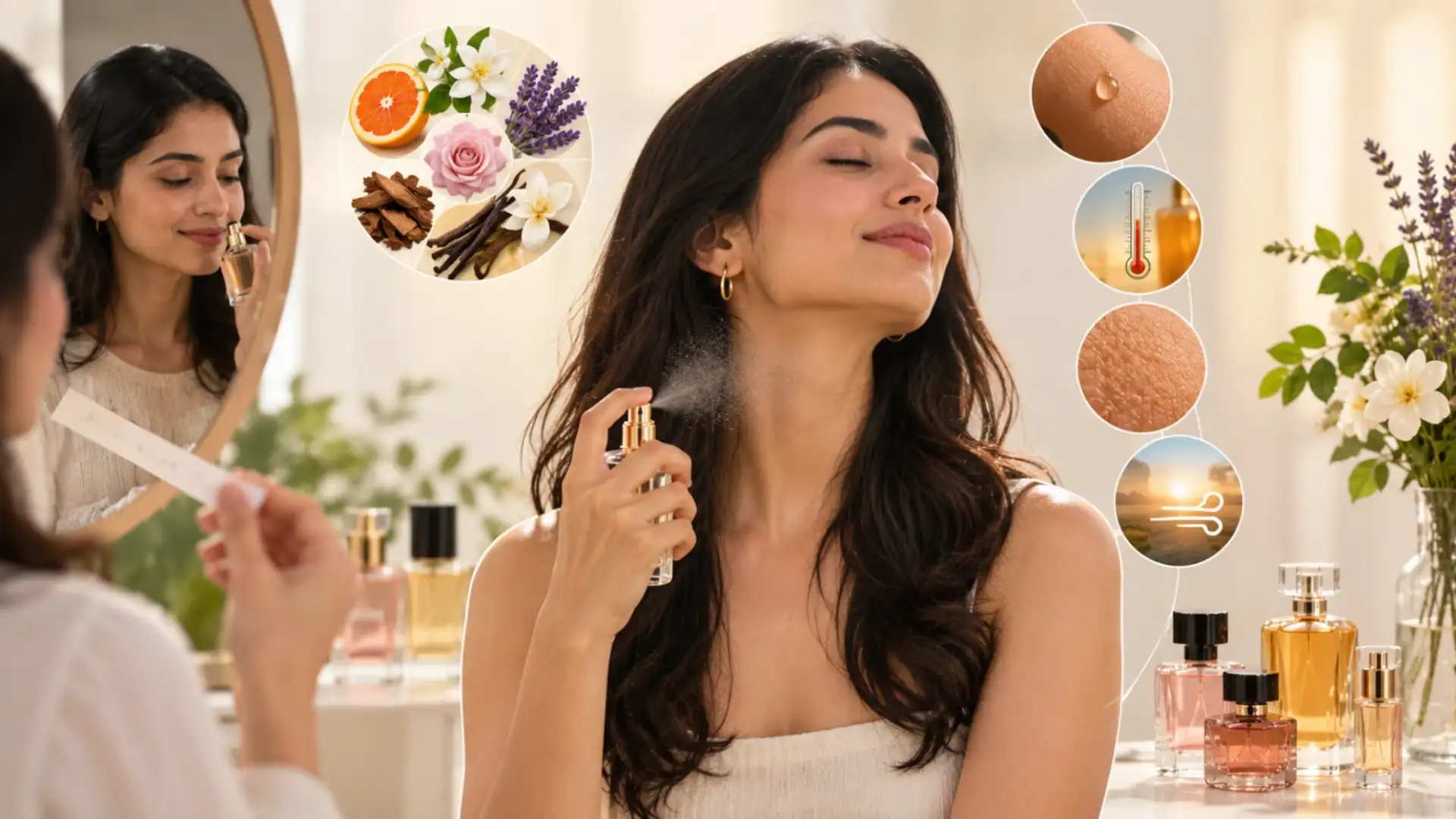
Perfume is more than just a pleasant smell in a bottle. Once it comes into contact with your skin, its fragrance begins to evolve. Understanding the science behind perfume can help you choose scents that suit you and explain why a fragrance may smell different throughout the day.
For example, a perfume might smell softer or warmer on one person but sharper or sweeter on another. Skin oils can also affect how fragrance ingredients interact with the skin and evaporate over time. This is why testing a perfume on your own skin is often more useful than judging it by how it smells on someone else.
Top notes are the first scents you notice after applying perfume. They are often fresh, light and citrusy, but they tend to fade relatively quickly. Middle notes, also called heart notes, emerge as the top notes fade and form the main character of the fragrance. Base notes develop more gradually and help give a perfume depth and lasting power.
Because these fragrance notes evaporate at different rates, the same perfume can smell different immediately after application and several hours later. What initially smells fresh and fruity may eventually become warmer, woodier or muskier.
This is one reason people often apply fragrance to pulse points, such as the wrists and neck. These areas can help diffuse the scent, although the result depends on the perfume and the individual. Temperature may also affect how strongly a fragrance is perceived, particularly in warm weather.
However, this varies depending on the fragrance's composition and the individual. If your perfume does not seem to last long, applying an appropriate moisturiser before spraying it may help. Fragrance-free moisturisers are a useful option if you want to avoid mixing additional scents.
Your surroundings can also affect how you experience a fragrance. Heat, humidity and airflow may influence how a scent diffuses into the air. Even your sense of smell can adapt to a fragrance after prolonged exposure, making it seem less noticeable even when other people can still smell it.
Avoid judging a perfume only by its opening notes. Give it time to reveal its heart and base notes before deciding whether it suits you. Testing fragrances in this way can help you understand which scents work best with your preferences and how they develop throughout the day.
Instead of choosing a perfume solely because you like how it smells on someone else, give it a chance to develop on your own skin. The right fragrance is one you enjoy not just in the first few minutes, but throughout its entire journey.
Perfume is more than just a pleasant smell in a bottle. Once it comes into contact with your skin, its fragrance begins to evolve. Understanding the science behind perfume can help you choose scents that suit you and explain why a fragrance may smell different throughout the day.
1. How Skin Chemistry Affects Your Perfume
One of the main reasons perfumes smell different on different people is skin chemistry. Each person's skin has its own characteristics, including its natural oils, moisture levels and pH. These factors can influence how a fragrance is perceived and how it lasts on the skin.For example, a perfume might smell softer or warmer on one person but sharper or sweeter on another. Skin oils can also affect how fragrance ingredients interact with the skin and evaporate over time. This is why testing a perfume on your own skin is often more useful than judging it by how it smells on someone else.
2. Understanding Fragrance Notes
Perfumes are usually made up of different fragrance notes that unfold over time. These are commonly divided into three categories: top notes, middle notes and base notes.Top notes are the first scents you notice after applying perfume. They are often fresh, light and citrusy, but they tend to fade relatively quickly. Middle notes, also called heart notes, emerge as the top notes fade and form the main character of the fragrance. Base notes develop more gradually and help give a perfume depth and lasting power.
Because these fragrance notes evaporate at different rates, the same perfume can smell different immediately after application and several hours later. What initially smells fresh and fruity may eventually become warmer, woodier or muskier.
3. Why Body Temperature Matters
Body temperature can also influence how a perfume develops. Fragrance ingredients evaporate at different rates, and warmth can speed up this process. As a result, perfume applied to warmer areas of the body may release its scent more quickly.This is one reason people often apply fragrance to pulse points, such as the wrists and neck. These areas can help diffuse the scent, although the result depends on the perfume and the individual. Temperature may also affect how strongly a fragrance is perceived, particularly in warm weather.
4. Does Skin Type Change How Perfume Smells?
Skin type can influence how a perfume wears throughout the day. People with oilier skin may find that certain fragrances last longer because skin oils can help retain some fragrance ingredients. On drier skin, a perfume may seem to fade more quickly.However, this varies depending on the fragrance's composition and the individual. If your perfume does not seem to last long, applying an appropriate moisturiser before spraying it may help. Fragrance-free moisturisers are a useful option if you want to avoid mixing additional scents.
5. Why Perfume Smells Different After Application
A perfume's scent is not meant to remain exactly the same from the moment you spray it. Its ingredients evaporate at different speeds, allowing different notes to become noticeable as time passes.Your surroundings can also affect how you experience a fragrance. Heat, humidity and airflow may influence how a scent diffuses into the air. Even your sense of smell can adapt to a fragrance after prolonged exposure, making it seem less noticeable even when other people can still smell it.
6. How to Find a Perfume That Suits You
The best way to choose a perfume is to test it on your own skin rather than relying entirely on a tester strip or someone else's recommendation. Spray a small amount, allow the fragrance to develop and notice how it smells after several hours.Avoid judging a perfume only by its opening notes. Give it time to reveal its heart and base notes before deciding whether it suits you. Testing fragrances in this way can help you understand which scents work best with your preferences and how they develop throughout the day.
The Science Behind Your Signature Scent
The reason the same perfume smells different on different people comes down to a combination of fragrance composition, skin characteristics, temperature and perception. A scent that smells fresh and light on one person may seem richer or warmer on another.Instead of choosing a perfume solely because you like how it smells on someone else, give it a chance to develop on your own skin. The right fragrance is one you enjoy not just in the first few minutes, but throughout its entire journey.
Next Story