
Why This Himalayan Village Looks Completely Different From Anywhere Else in India

Far inside the Himalayas, there are villages where the surrounding landscape can seem almost impossible. Kibber, in Himachal Pradesh's Spiti Valley , is one such place. Perched at roughly 4,200 metres above sea level, the village sits amid vast barren mountains, deep ravines and an immense high-altitude desert . There are no lush forests or dense green fields surrounding it. Instead, the landscape is dominated by shades of brown, grey and ochre, with snow appearing on the higher peaks for much of the year. Yet people have lived here for generations, adapting their homes, farms and lifestyles to one of India's harshest environments.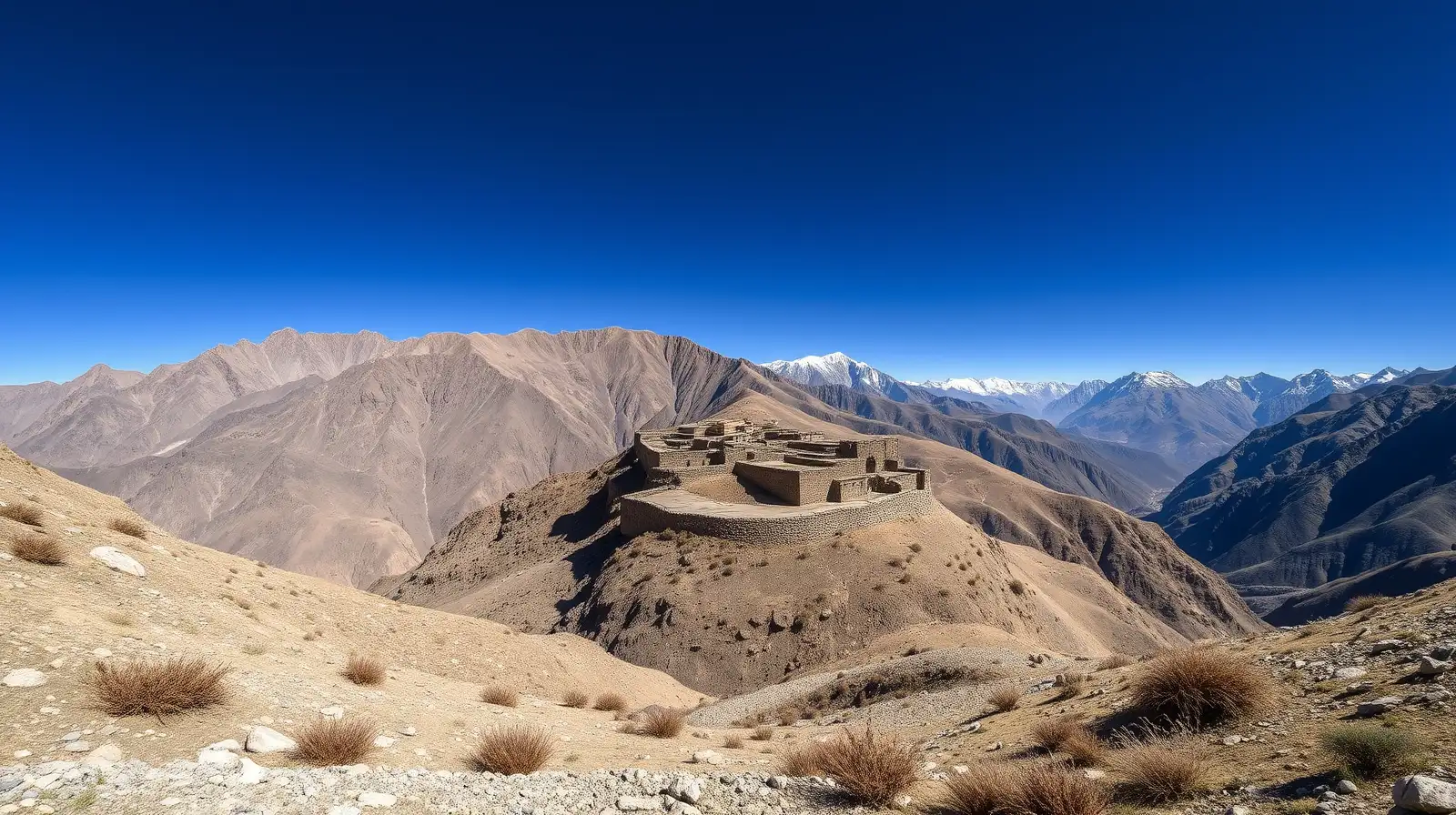
Trees are scarce at this altitude, leaving the enormous mountain slopes exposed. The absence of thick vegetation gives visitors uninterrupted views across the valley, making the surrounding terrain appear even more dramatic.
During winter, heavy snowfall can isolate communities for extended periods. Summer brings a short agricultural season when residents make the most of the warmer months.
The compact arrangement of homes also creates a distinctive appearance when viewed against the surrounding mountains.
Modern construction has changed parts of the village, but traditional architecture remains an important part of Spiti's visual and cultural identity.
Livestock also plays an important role in local livelihoods. Animals provide food, wool and other resources in an environment where conventional farming is difficult.
Water is particularly valuable. Meltwater and local streams are essential for both agriculture and everyday life, meaning the availability of water strongly influences the settlement's seasonal rhythm.
The wider Spiti region is known as habitat for the endangered snow leopard, particularly during winter when the animals descend to lower elevations in search of prey. Himalayan ibex and blue sheep are also found in the region.
This makes the seemingly empty landscape far more alive than it first appears.
Nearby monasteries and Buddhist traditions have shaped community life for centuries. Prayer flags, small shrines and distinctive architecture add colour to the otherwise stark mountain environment.
The result is a landscape where natural geography and human culture are difficult to separate.
Climate change is another concern. Changes in snowfall and glacial melt can affect water supplies and agriculture, making environmental protection increasingly important for communities living in remote Himalayan valleys.
A Village Above the Tree Line
Kibber is among the highest inhabited villages in the region, and its elevation immediately explains why the landscape looks so unusual.Trees are scarce at this altitude, leaving the enormous mountain slopes exposed. The absence of thick vegetation gives visitors uninterrupted views across the valley, making the surrounding terrain appear even more dramatic.
During winter, heavy snowfall can isolate communities for extended periods. Summer brings a short agricultural season when residents make the most of the warmer months.
Traditional Homes Built for the Climate
Kibber's houses reflect generations of adaptation to the cold desert environment. Traditional buildings were designed using locally available materials, including stone and mud, which provide useful insulation against extreme temperatures.The compact arrangement of homes also creates a distinctive appearance when viewed against the surrounding mountains.
Modern construction has changed parts of the village, but traditional architecture remains an important part of Spiti's visual and cultural identity.
Life in a High-Altitude Desert
Despite its barren appearance, the landscape supports agriculture. Villagers traditionally grow crops such as barley, peas and other hardy varieties during the short growing season.Livestock also plays an important role in local livelihoods. Animals provide food, wool and other resources in an environment where conventional farming is difficult.
Water is particularly valuable. Meltwater and local streams are essential for both agriculture and everyday life, meaning the availability of water strongly influences the settlement's seasonal rhythm.
A Landscape Rich in Wildlife
The mountains around Kibber are also associated with some of the Himalayas' most elusive wildlife.The wider Spiti region is known as habitat for the endangered snow leopard, particularly during winter when the animals descend to lower elevations in search of prey. Himalayan ibex and blue sheep are also found in the region.
This makes the seemingly empty landscape far more alive than it first appears.
The Monastery and Cultural Landscape
Kibber is not simply a geological curiosity. Its landscape is closely connected with Tibetan Buddhist culture .Nearby monasteries and Buddhist traditions have shaped community life for centuries. Prayer flags, small shrines and distinctive architecture add colour to the otherwise stark mountain environment.
The result is a landscape where natural geography and human culture are difficult to separate.
Why Places Like Kibber Matter Today
Kibber's growing popularity among travellers brings new opportunities for local businesses and homestays. At the same time, high-altitude ecosystems are particularly vulnerable to waste, water shortages and poorly planned development.Climate change is another concern. Changes in snowfall and glacial melt can affect water supplies and agriculture, making environmental protection increasingly important for communities living in remote Himalayan valleys.
Next Story