
Why Nature Makes Male Octopuses Give Up Their Arm

The ocean is full of strange survival strategies, but few are as shocking as the behaviour of certain male octopuses that detach their own arm during reproduction. At first glance, it may look like self-destruction, but in reality, this act is a highly evolved octopus mating strategy designed to ensure survival and successful reproduction.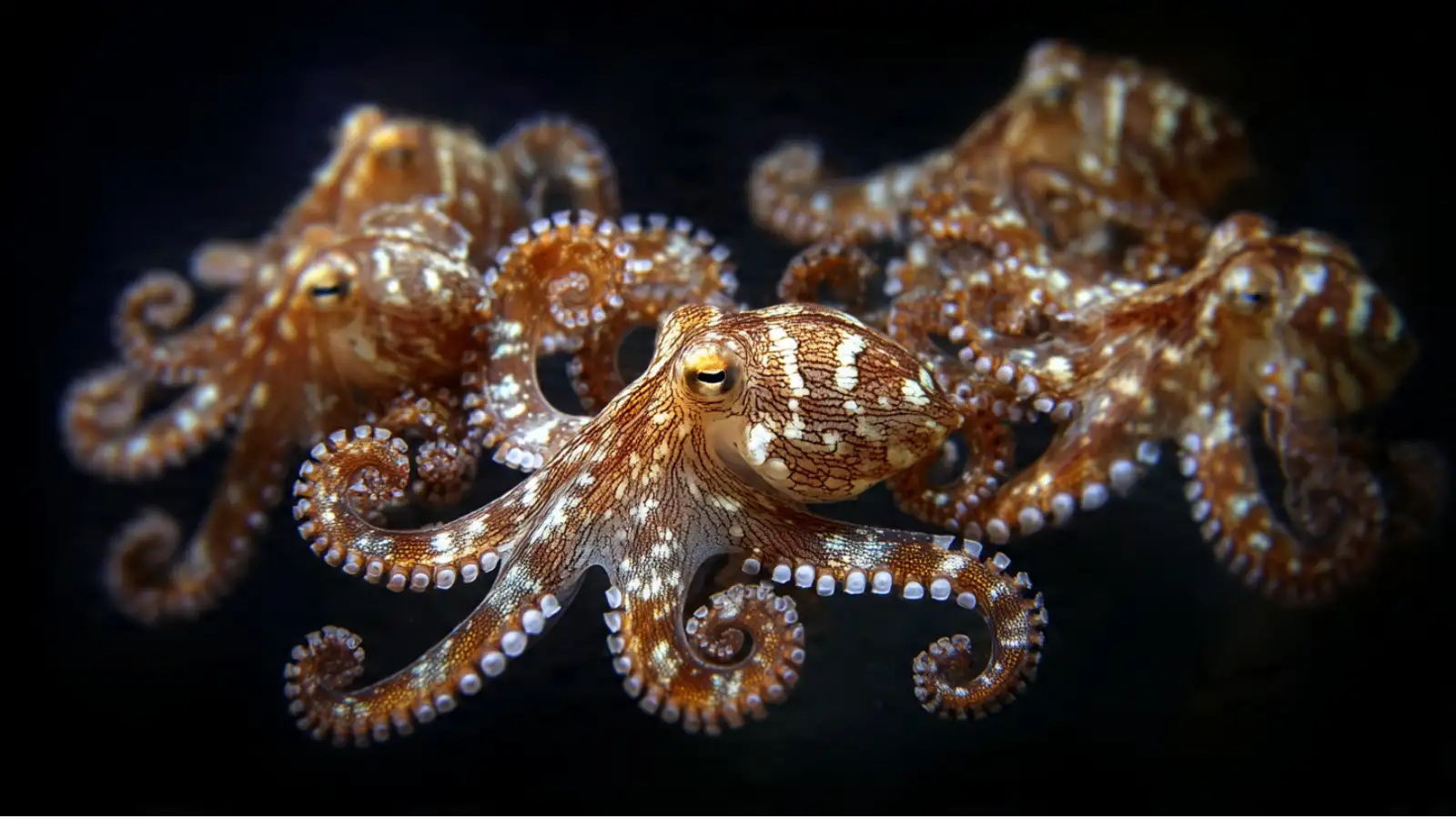
This unusual process has led scientists to describe it as one of the most extreme forms of cephalopod reproduction behaviour ever observed in marine biology.
This evolutionary adaptation is a key example of marine animal survival strategies, where reproduction and self-preservation must be carefully balanced.
Read More: How Octopuses Think With Their Arms: The Ocean’s Smartest Mystery
Scientists studying octopus reproductive biology have found that this adaptation increases mating success while reducing risk to the male.
While it may seem disturbing to humans, this strategy has evolved over millions of years because it works.
These discoveries also help scientists better understand reproductive diversity across ocean species.
The more scientists study these creatures, the more we learn that marine life adaptations can be both shocking and brilliant at the same time.
The male octopus’s arm detachment is not an act of violence or randomness, it is a finely tuned evolutionary strategy. This extraordinary behaviour ensures reproduction while reducing risk, making it one of the most fascinating examples of octopus survival behaviour in the natural world.
A Strange but Smart Reproductive Strategy
In species such as the Argonaut octopus, males are significantly smaller than females. During mating, the male transfers sperm using a specialised arm called the hectocotylus. Instead of staying attached, this arm detaches and continues its mission independently inside the female’s body.This unusual process has led scientists to describe it as one of the most extreme forms of cephalopod reproduction behaviour ever observed in marine biology.
Why Detaching the Arm Helps Survival
One major reason for this behaviour is survival. Female octopuses are often much larger and, in some cases, can become aggressive or even cannibalistic after mating. By detaching the arm, the male avoids staying close to a potentially dangerous partner.This evolutionary adaptation is a key example of marine animal survival strategies, where reproduction and self-preservation must be carefully balanced.
Read More: How Octopuses Think With Their Arms: The Ocean’s Smartest Mystery
The Role of the Hectocotylus
The hectocotylus arm is not just any limb, it is specially designed for reproduction. It carries sperm packets and is capable of moving independently for a period of time. This ensures that fertilisation can occur even after the male has left the scene.Scientists studying octopus reproductive biology have found that this adaptation increases mating success while reducing risk to the male.
Evolutionary Trade-Offs in the Deep Sea
Nature often forces extreme trade-offs, and this is a striking example. For male octopuses, the cost of reproduction is sometimes the loss of a limb and in rare cases, life itself. This reflects a broader pattern in the animal kingdom where evolutionary adaptations in marine species prioritise gene survival over individual survival.While it may seem disturbing to humans, this strategy has evolved over millions of years because it works.
What Science Reveals About This Behaviour
Recent research in marine biology continues to uncover the complexity behind this behaviour. Rather than being random or violent, the arm detachment is a controlled and purposeful act. It highlights how octopus intelligence and biology are deeply specialised for survival in extreme environments.These discoveries also help scientists better understand reproductive diversity across ocean species.
A Reminder of How Strange Nature Can Be
The idea of a male octopus detaching its own arm challenges our understanding of animal behaviour. It shows that life beneath the waves operates under very different rules, shaped by survival pressures we rarely see on land.The more scientists study these creatures, the more we learn that marine life adaptations can be both shocking and brilliant at the same time.
The male octopus’s arm detachment is not an act of violence or randomness, it is a finely tuned evolutionary strategy. This extraordinary behaviour ensures reproduction while reducing risk, making it one of the most fascinating examples of octopus survival behaviour in the natural world.
Next Story