
Discover The Island Of Sandalwood: Which One Is It?

Sandalwood is one of the world’s most prized aromatic woods, valued for its deep fragrance, medicinal qualities and spiritual significance. Used in perfumes, incense, carvings and traditional medicine, sandalwood has shaped trade routes and economies for centuries. Among all regions associated with this precious wood, Timor Island stands out. It is widely recognised as the Island of Sandalwood due to its historic dominance in sandalwood production.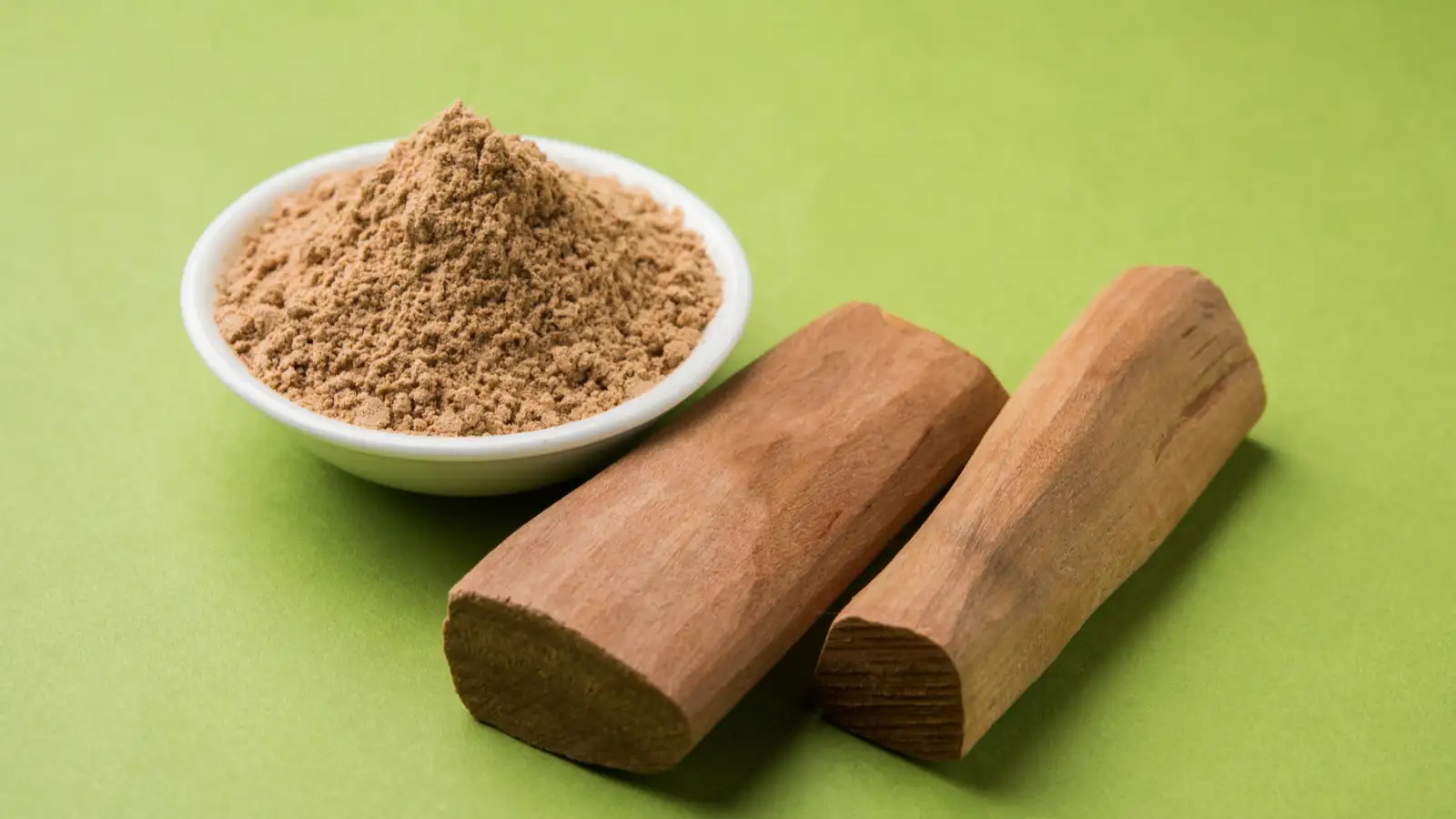
Where Is the Island of Sandalwood Located?
Timor Island lies in Southeast Asia within the Lesser Sunda Islands. Positioned north of Australia and east of Java, the island is divided politically between Indonesia (West Timor) and Timor-Leste (East Timor). Its strategic location helped establish it as a key hub in the historical sandalwood trade network.
Why Is Timor Called the Island of Sandalwood?
Timor earned the title Island of Sandalwood because it once had vast natural forests of sandalwood trees. The island’s dry tropical climate, seasonal rainfall and well-drained soils created ideal conditions for sandalwood species to thrive. Notably, the species Santalum album known for its highly aromatic heartwood and essential oil was abundant here. Timorese sandalwood was especially valued for its high oil concentration and superior fragrance.
Historical Importance of Sandalwood Trade
For centuries, Timor was one of the largest producers of sandalwood in the world. Merchants from China, India and the Middle East travelled to the island to obtain this luxury resource. Later, European traders also competed for control over sandalwood trade routes. The global demand for sandalwood from Timor connected Southeast Asia to major international markets.
Interesting Facts About the Island of Sandalwood
Ancient Luxury Resource: Timor’s sandalwood was considered among the finest aromatic woods globally.
Long Trade History: The sandalwood trade dates back hundreds of years.
Valuable Essential Oil: Sandalwood oil is widely used in perfumery and traditional medicine.
Slow-Growing Tree: Sandalwood trees take decades to mature, making them rare and valuable.
Cultural Significance: Used in religious rituals, temples and spiritual practices across Asia.
Environmental Concerns: Overharvesting led to conservation efforts and controlled cultivation.
Timor Island remains historically significant as the Island of Sandalwood, remembered for its abundant forests and central role in global trade.
Where Is the Island of Sandalwood Located?
Timor Island lies in Southeast Asia within the Lesser Sunda Islands. Positioned north of Australia and east of Java, the island is divided politically between Indonesia (West Timor) and Timor-Leste (East Timor). Its strategic location helped establish it as a key hub in the historical sandalwood trade network. Why Is Timor Called the Island of Sandalwood?
Timor earned the title Island of Sandalwood because it once had vast natural forests of sandalwood trees. The island’s dry tropical climate, seasonal rainfall and well-drained soils created ideal conditions for sandalwood species to thrive. Notably, the species Santalum album known for its highly aromatic heartwood and essential oil was abundant here. Timorese sandalwood was especially valued for its high oil concentration and superior fragrance.Historical Importance of Sandalwood Trade
For centuries, Timor was one of the largest producers of sandalwood in the world. Merchants from China, India and the Middle East travelled to the island to obtain this luxury resource. Later, European traders also competed for control over sandalwood trade routes. The global demand for sandalwood from Timor connected Southeast Asia to major international markets. Interesting Facts About the Island of Sandalwood
Ancient Luxury Resource: Timor’s sandalwood was considered among the finest aromatic woods globally. Long Trade History: The sandalwood trade dates back hundreds of years.
Valuable Essential Oil: Sandalwood oil is widely used in perfumery and traditional medicine.
Slow-Growing Tree: Sandalwood trees take decades to mature, making them rare and valuable.
Cultural Significance: Used in religious rituals, temples and spiritual practices across Asia.
Environmental Concerns: Overharvesting led to conservation efforts and controlled cultivation.
Timor Island remains historically significant as the Island of Sandalwood, remembered for its abundant forests and central role in global trade.
Next Story