
Why Was Yama Reborn as Vidura in the Mahabharata?


Vidura was one of the wisest voices in the Mahabharata, known for speaking the truth even when powerful kings refused to listen. But what if his wisdom had a divine origin? According to a well-known Mahabharata tradition, Vidura was none other than Yama, the god of justice, born as a human because of a sage's curse. The reason behind this unusual birth raises a deeper question: can even the one who judges others be held accountable for his own decisions?
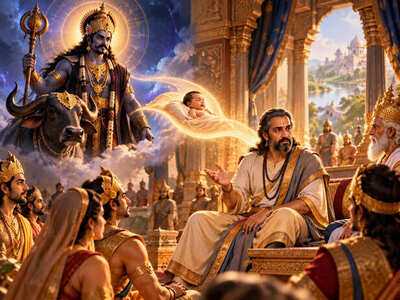
The Sage Whose Silence Changed Everything
 A quiet sage's life took an unexpected turn when royal guards arrived searching for missing thieves.
Sage Mandavya was deeply devoted to meditation and had taken a vow of silence. One day, a group of thieves entered his hermitage while carrying stolen goods. Soon, royal guards arrived and questioned him about their whereabouts. Mandavya remained silent because of his vow. When the guards discovered the stolen goods nearby, they suspected the sage of being involved. His silence was misunderstood, turning an innocent act of meditation into a serious injustice. This unexpected incident set the stage for one of the most memorable stories about Vidura, Yama, and justice in the Mahabharata.
An Unfair Punishment Raised a Question
 Mandavya's ordeal became a powerful reminder that a judgment made without understanding the truth can be deeply unfair.
The king ordered punishment for Mandavya along with the thieves, believing him to be guilty. Yet the sage survived through his spiritual power and held no ordinary person responsible for what had happened. Instead of seeking revenge, he decided to question the authority behind the punishment itself. His experience raised a difficult question: if a person is judged for an act without understanding the circumstances, can that judgment truly be called justice? For Mandavya, the answer could only come from Dharmaraja, the divine authority associated with justice and moral accountability.
Mandavya Questioned Yama's JusticeMandavya eventually reached Dharmaraja's realm and asked why he had received such a severe punishment. Dharmaraja explained that, as a child, Mandavya had once harmed a small insect with a blade of grass. The explanation shocked the sage. How could an act committed in childhood justify such a serious consequence later in life? Mandavya challenged the fairness of the judgment, arguing that a child's understanding and intentions mattered. This confrontation forms the heart of the Sage Mandavya story and raises questions about childhood mistakes, responsibility, and whether punishment should reflect a person's ability to understand right and wrong.
A Curse Changed the God of JusticeAngered by what he considered an unjust judgment, Mandavya cursed Dharmaraja to be born on Earth as a human. In the Mahabharata tradition, this curse explains why the divine judge would take human birth as Vidura. The story creates an unusual twist: the one who evaluates the actions of others must experience life within the human world himself. Instead of remaining distant from human struggles, Dharmaraja would become part of a royal family surrounded by difficult choices, rivalries, and questions of right and wrong. His new life would put his wisdom to the test.
Yama Was Reborn as ViduraVidura was born to a maidservant of the royal household through the intervention of Sage Vyasa. Although he belonged to the Kuru family, he did not enjoy the royal position held by Dhritarashtra and Pandu. Yet Vidura's intelligence, honesty, and understanding of dharma made him one of the family's most respected advisers. The traditional connection between Yama and Vidura gives his character another layer of meaning. The divine judge, now living as a human, had to navigate the same complicated world he once judged from afar. His story reminds readers that wisdom is proved through choices, not titles.
Vidura Chose Truth Over PowerVidura's importance in the Mahabharata lies in his willingness to speak honestly, even when his advice was uncomfortable. He warned Dhritarashtra about Duryodhana's harmful ambitions and repeatedly encouraged decisions guided by dharma, fairness, and restraint. However, wisdom cannot always change the minds of those who refuse to listen. The royal family's growing conflict eventually led towards the Kurukshetra war. Vidura's role shows that doing the right thing does not guarantee an immediate victory. Sometimes, integrity means continuing to speak the truth even when powerful people choose to ignore it.
The Deeper Lesson Behind Vidura's StoryThe story of Mandavya, Yama, and Vidura is more than an explanation of a divine birth. It invites us to question how we judge others in everyday life. A mistake should not always define a person's entire character, especially when age, intention, and understanding matter. Vidura's life also shows why honesty is important even when it comes at a personal cost. The Mahabharata's lesson on justice is not simply about punishing wrongdoing. It is also about listening carefully, understanding circumstances, and recognising that those who hold authority must be accountable for their decisions.
Unlock insightful tips and inspiration on personal growth, productivity, and well-being. Stay motivated and updated with the latest at My Life XP.
The Sage Whose Silence Changed Everything
Sage Mandavya was deeply devoted to meditation and had taken a vow of silence. One day, a group of thieves entered his hermitage while carrying stolen goods. Soon, royal guards arrived and questioned him about their whereabouts. Mandavya remained silent because of his vow. When the guards discovered the stolen goods nearby, they suspected the sage of being involved. His silence was misunderstood, turning an innocent act of meditation into a serious injustice. This unexpected incident set the stage for one of the most memorable stories about Vidura, Yama, and justice in the Mahabharata.
An Unfair Punishment Raised a Question
The king ordered punishment for Mandavya along with the thieves, believing him to be guilty. Yet the sage survived through his spiritual power and held no ordinary person responsible for what had happened. Instead of seeking revenge, he decided to question the authority behind the punishment itself. His experience raised a difficult question: if a person is judged for an act without understanding the circumstances, can that judgment truly be called justice? For Mandavya, the answer could only come from Dharmaraja, the divine authority associated with justice and moral accountability.
Mandavya Questioned Yama's JusticeMandavya eventually reached Dharmaraja's realm and asked why he had received such a severe punishment. Dharmaraja explained that, as a child, Mandavya had once harmed a small insect with a blade of grass. The explanation shocked the sage. How could an act committed in childhood justify such a serious consequence later in life? Mandavya challenged the fairness of the judgment, arguing that a child's understanding and intentions mattered. This confrontation forms the heart of the Sage Mandavya story and raises questions about childhood mistakes, responsibility, and whether punishment should reflect a person's ability to understand right and wrong.
A Curse Changed the God of JusticeAngered by what he considered an unjust judgment, Mandavya cursed Dharmaraja to be born on Earth as a human. In the Mahabharata tradition, this curse explains why the divine judge would take human birth as Vidura. The story creates an unusual twist: the one who evaluates the actions of others must experience life within the human world himself. Instead of remaining distant from human struggles, Dharmaraja would become part of a royal family surrounded by difficult choices, rivalries, and questions of right and wrong. His new life would put his wisdom to the test.
Yama Was Reborn as ViduraVidura was born to a maidservant of the royal household through the intervention of Sage Vyasa. Although he belonged to the Kuru family, he did not enjoy the royal position held by Dhritarashtra and Pandu. Yet Vidura's intelligence, honesty, and understanding of dharma made him one of the family's most respected advisers. The traditional connection between Yama and Vidura gives his character another layer of meaning. The divine judge, now living as a human, had to navigate the same complicated world he once judged from afar. His story reminds readers that wisdom is proved through choices, not titles.
Vidura Chose Truth Over PowerVidura's importance in the Mahabharata lies in his willingness to speak honestly, even when his advice was uncomfortable. He warned Dhritarashtra about Duryodhana's harmful ambitions and repeatedly encouraged decisions guided by dharma, fairness, and restraint. However, wisdom cannot always change the minds of those who refuse to listen. The royal family's growing conflict eventually led towards the Kurukshetra war. Vidura's role shows that doing the right thing does not guarantee an immediate victory. Sometimes, integrity means continuing to speak the truth even when powerful people choose to ignore it.
The Deeper Lesson Behind Vidura's StoryThe story of Mandavya, Yama, and Vidura is more than an explanation of a divine birth. It invites us to question how we judge others in everyday life. A mistake should not always define a person's entire character, especially when age, intention, and understanding matter. Vidura's life also shows why honesty is important even when it comes at a personal cost. The Mahabharata's lesson on justice is not simply about punishing wrongdoing. It is also about listening carefully, understanding circumstances, and recognising that those who hold authority must be accountable for their decisions.
Unlock insightful tips and inspiration on personal growth, productivity, and well-being. Stay motivated and updated with the latest at My Life XP.
Next Story