
Why Do We Get Attached To The Most Random Objects From Our Childhood?

Every family has one. A battered toy that should probably have been thrown away years ago. An old school diary. A tiny plastic figure with one missing arm. A pencil box you have not used since primary school. Maybe even a completely ordinary object that nobody else understands why you still have. It is not expensive. It is not particularly useful. And if you saw the same thing in a shop today, you probably would not buy it. Yet throwing it away feels weirdly difficult. Why can something so ordinary from childhood still feel so important decades later?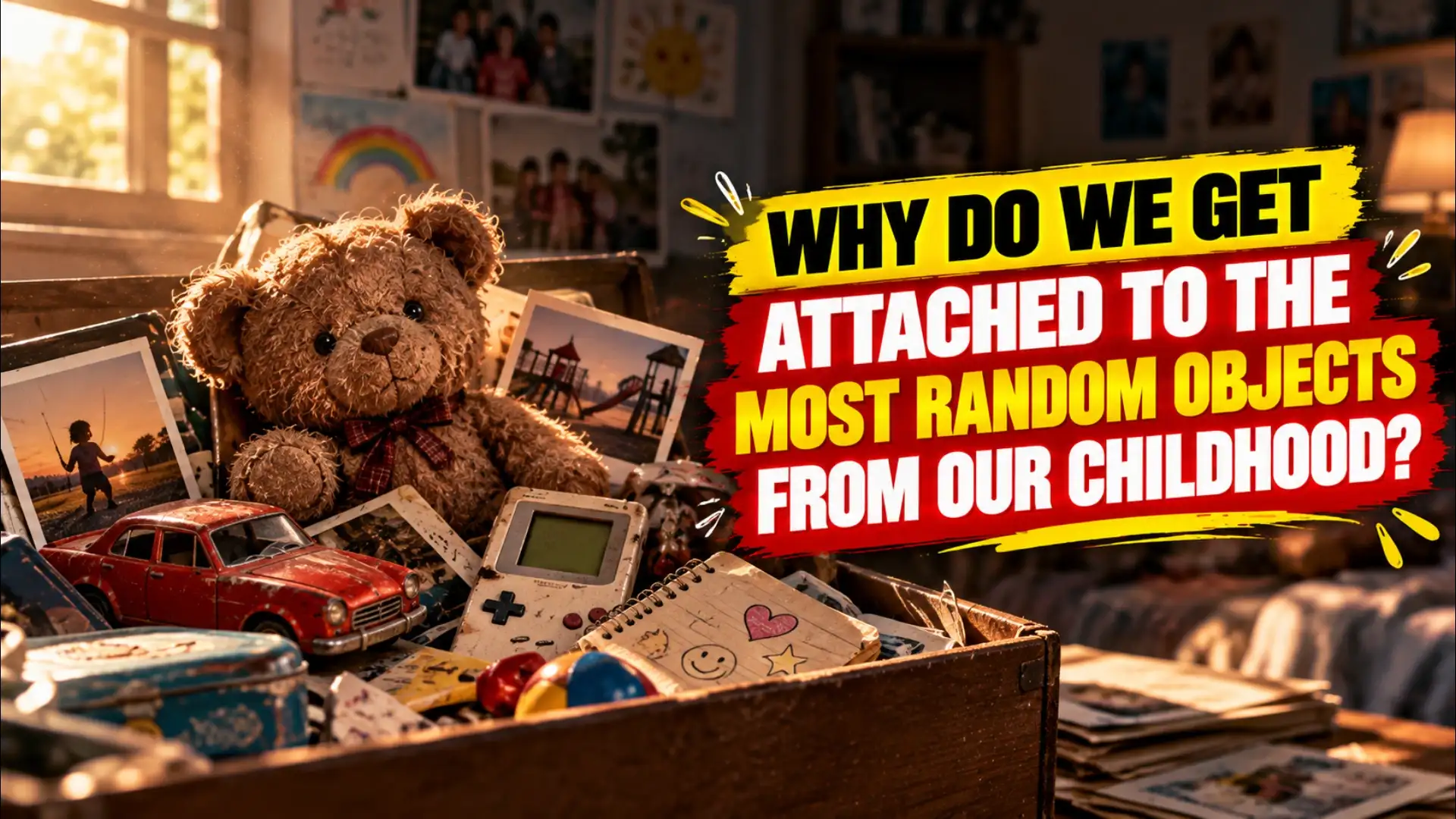
The object becomes a shortcut to a memory. And getting rid of it can feel, emotionally at least, like getting rid of the memory attached to it. Of course, the memory does not actually disappear when the object does. But that is not always how it feels.
Years later, seeing that object can bring back details you had completely forgotten. Suddenly you remember the house you lived in, the people around you or even what an ordinary afternoon felt like. That can make a tiny object feel much bigger than it really is.
But that version of you still exists in your memories. Keeping something from that period can feel like keeping a small connection to that person. It is not necessarily about refusing to grow up. Sometimes it is simply nice to have something physical that reminds you of where you came from.
The financial value does not matter much because the emotional value comes from the story. Two people can look at exactly the same object and see completely different things. For one person, it is rubbish. For the other, it is a tiny time machine.
You can pick up an old toy and suddenly remember something you had not thought about in years. The object gives the memory a physical anchor. That may be one reason people keep childhood belongings even when they no longer have any practical use.
Take a photograph of the things you are unsure about. Keep one or two items that instantly bring back a strong memory. Let the rest go if they no longer matter. Because you are not throwing away your childhood.
You are only making a little less room for the objects that represent it. And sometimes one tiny, battered toy is enough to remind you of an entire world that no longer exists.
You Are Not Really Attached To The Object
The object itself is usually not the point. What you are attached to is everything connected to it. That old toy might remind you of the room you grew up in. A school notebook might take you back to a particular class, friend or teacher. Even something as boring as an old pencil can bring back a very specific period of your life.The object becomes a shortcut to a memory. And getting rid of it can feel, emotionally at least, like getting rid of the memory attached to it. Of course, the memory does not actually disappear when the object does. But that is not always how it feels.
Childhood Memories Can Feel Especially Powerful
Childhood is full of first experiences. Your first best friend. Your first school. Your first birthday party you actually remember. Your favourite cartoon. The games you played every evening. Because so many experiences are new during childhood, certain ordinary objects can become connected to unusually strong memories.Years later, seeing that object can bring back details you had completely forgotten. Suddenly you remember the house you lived in, the people around you or even what an ordinary afternoon felt like. That can make a tiny object feel much bigger than it really is.
The Object Becomes A Link To An Earlier Version Of You
There is another reason childhood objects can be difficult to let go of. They remind us of who we used to be. You are not the same person who carried that school bag, played with that toy or wrote in that notebook.But that version of you still exists in your memories. Keeping something from that period can feel like keeping a small connection to that person. It is not necessarily about refusing to grow up. Sometimes it is simply nice to have something physical that reminds you of where you came from.
And That Is Why The Object Does Not Have To Be Valuable
This is why the strangest things can become sentimental. A broken toy may mean more to you than an expensive watch. A faded birthday card may be more difficult to throw away than something you bought last month.The financial value does not matter much because the emotional value comes from the story. Two people can look at exactly the same object and see completely different things. For one person, it is rubbish. For the other, it is a tiny time machine.
We Also Like Having Something We Can Hold On To
Memories are constantly changing. You forget details. People move away. Places disappear. Childhood homes get renovated or sold. Physical objects do not change quite as quickly. That can make them feel reassuring.You can pick up an old toy and suddenly remember something you had not thought about in years. The object gives the memory a physical anchor. That may be one reason people keep childhood belongings even when they no longer have any practical use.
So Should You Keep Everything?
Not necessarily. You do not need to turn your cupboard into a childhood museum. If you have boxes full of things you have completely forgotten about, it may be worth keeping only the objects that genuinely mean something to you.Take a photograph of the things you are unsure about. Keep one or two items that instantly bring back a strong memory. Let the rest go if they no longer matter. Because you are not throwing away your childhood.
You are only making a little less room for the objects that represent it. And sometimes one tiny, battered toy is enough to remind you of an entire world that no longer exists.
Next Story