
Why Does Calling Someone Make Us Practice The Conversation First?

You know exactly what you need to say. It should take two minutes. So why are you standing there mentally rehearsing the conversation before pressing the call button? Hi, I wanted to ask about… No, maybe start with 'hello' first. Actually, should I explain the problem immediately? You might even practise the entire thing in your head before finally calling. And then, the moment they answer, you forget half of what you planned to say. It sounds slightly ridiculous, but rehearsing phone calls is surprisingly common. So why do we do it?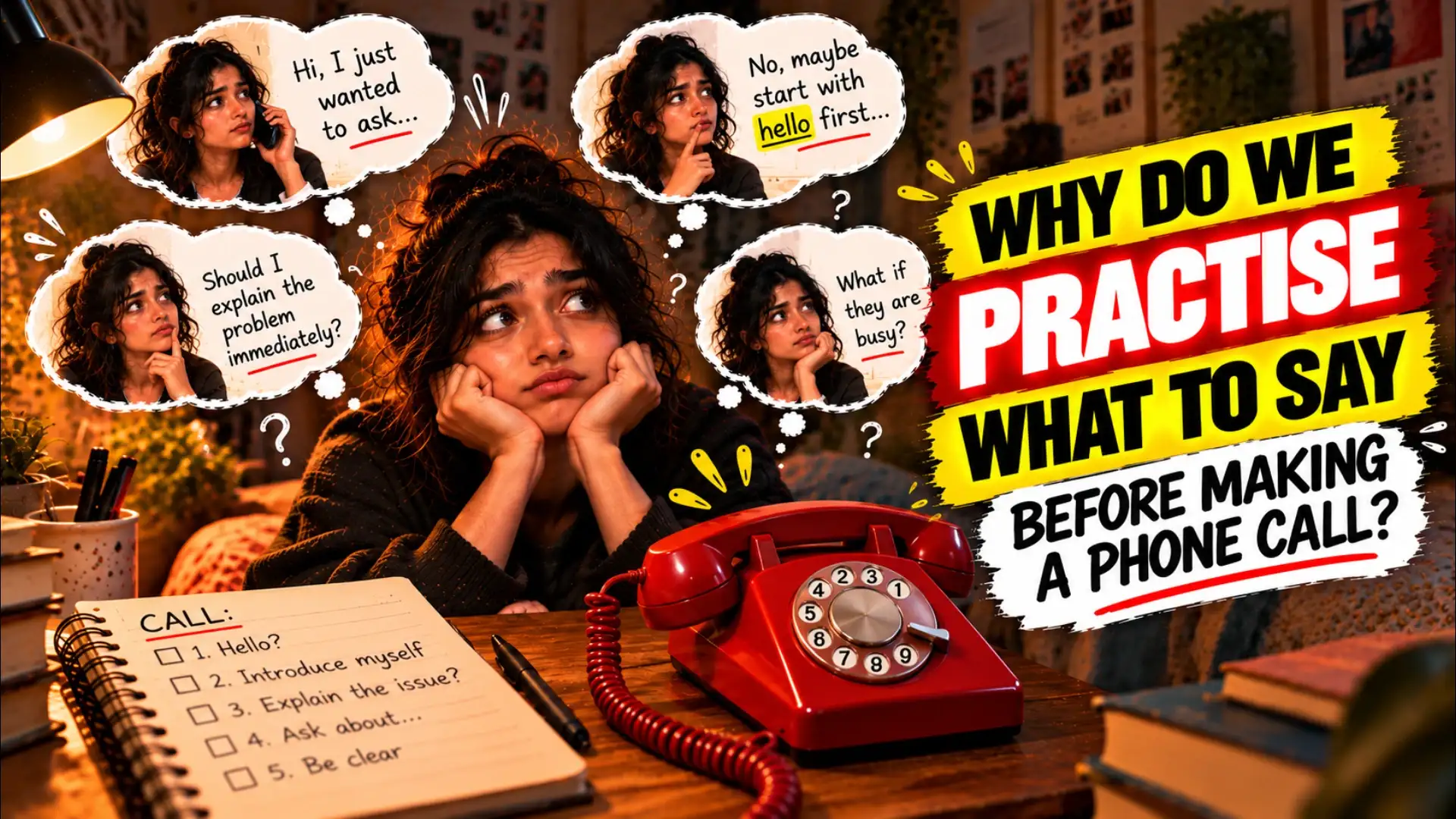
You may worry about sounding rude, forgetting something or not explaining yourself properly. Practising beforehand gives you a chance to organise your thoughts. It is almost like doing a tiny warm-up before the actual conversation.
So you prepare the opening line. Hello, I’m calling about this. Hi, I just wanted to check. I wanted to ask you something. Once you have that part ready, pressing the button feels slightly easier.
Will I sound nervous? Am I explaining this badly? Will they think this is a silly question? That kind of self-monitoring can make a simple call feel much bigger than it actually is. Rehearsing becomes a way of reducing that uncertainty.
That is not a failure of preparation. That is actually the point. The rehearsal was never supposed to predict the entire conversation. It simply helped you feel ready enough to start. So if you have ever walked around your room practising a phone call that lasted three minutes, you are not being dramatic. You are just giving your brain a little preview before entering a conversation it cannot completely control.
Your Brain Likes Knowing What Comes Next
A phone call is unpredictable. You know what you want to say, but you do not know exactly how the other person will respond. They might ask a question you were not expecting. They might sound busy. They might misunderstand what you mean. Rehearsing gives your brain a rough idea of what might happen. You are not necessarily trying to memorise a perfect script. You are simply making the unknown feel a little less unknown.It Can Make You Feel More In Control
This is particularly noticeable when the conversation feels important. Calling a doctor, asking about a job, speaking to customer service or confronting an awkward issue can feel very different from calling a close friend.You may worry about sounding rude, forgetting something or not explaining yourself properly. Practising beforehand gives you a chance to organise your thoughts. It is almost like doing a tiny warm-up before the actual conversation.
We Often Rehearse The First Few Seconds
Interestingly, you may not plan the entire conversation. You just want to know how to start. Once the first sentence is out, the conversation can usually take its own direction. But getting past that initial moment can feel like the hardest part.You may also like
- Stylish Metallic Hair Accessories to Elevate Your Look
- Effective Home Remedies to Lighten Dark Lips Naturally
- PPF vs NPS: Which offers better investment returns? Understand the full calculation..
- Effective Tan Removal Tips for Karwa Chauth 2026
- 'No one replied, so I sat all day scrolling…': Consultant says he was left without work during notice period after toxic workplace experience
So you prepare the opening line. Hello, I’m calling about this. Hi, I just wanted to check. I wanted to ask you something. Once you have that part ready, pressing the button feels slightly easier.
What If I Sound Stupid?
There is often another layer underneath the rehearsal: self-consciousness. We do not just think about what we want to say. We think about how we will sound saying it.Will I sound nervous? Am I explaining this badly? Will they think this is a silly question? That kind of self-monitoring can make a simple call feel much bigger than it actually is. Rehearsing becomes a way of reducing that uncertainty.
And Then The Real Conversation Happens
The funny part is that real conversations rarely follow the script. The other person says something unexpected. You forget your carefully prepared sentence. You improvise. And five minutes later, the call is over.That is not a failure of preparation. That is actually the point. The rehearsal was never supposed to predict the entire conversation. It simply helped you feel ready enough to start. So if you have ever walked around your room practising a phone call that lasted three minutes, you are not being dramatic. You are just giving your brain a little preview before entering a conversation it cannot completely control.






Loving Newspoint? Download the app now
