
Why Weather Changes So Quickly in This Indian Mountain Valley

India has plenty of places where weather can shift quickly, but few landscapes demonstrate the phenomenon as dramatically as the Valley of Spiti in Himachal Pradesh. Here, a clear blue sky can suddenly disappear behind clouds, strong winds can sweep across a mountain road and temperatures can drop sharply within a short period. The extreme changes are closely linked to the valley’s high altitude, surrounding mountains and cold desert climate . For residents, trekkers and motorists, this is not simply an interesting feature of the landscape. It can influence travel, farming, clothing and even daily routines.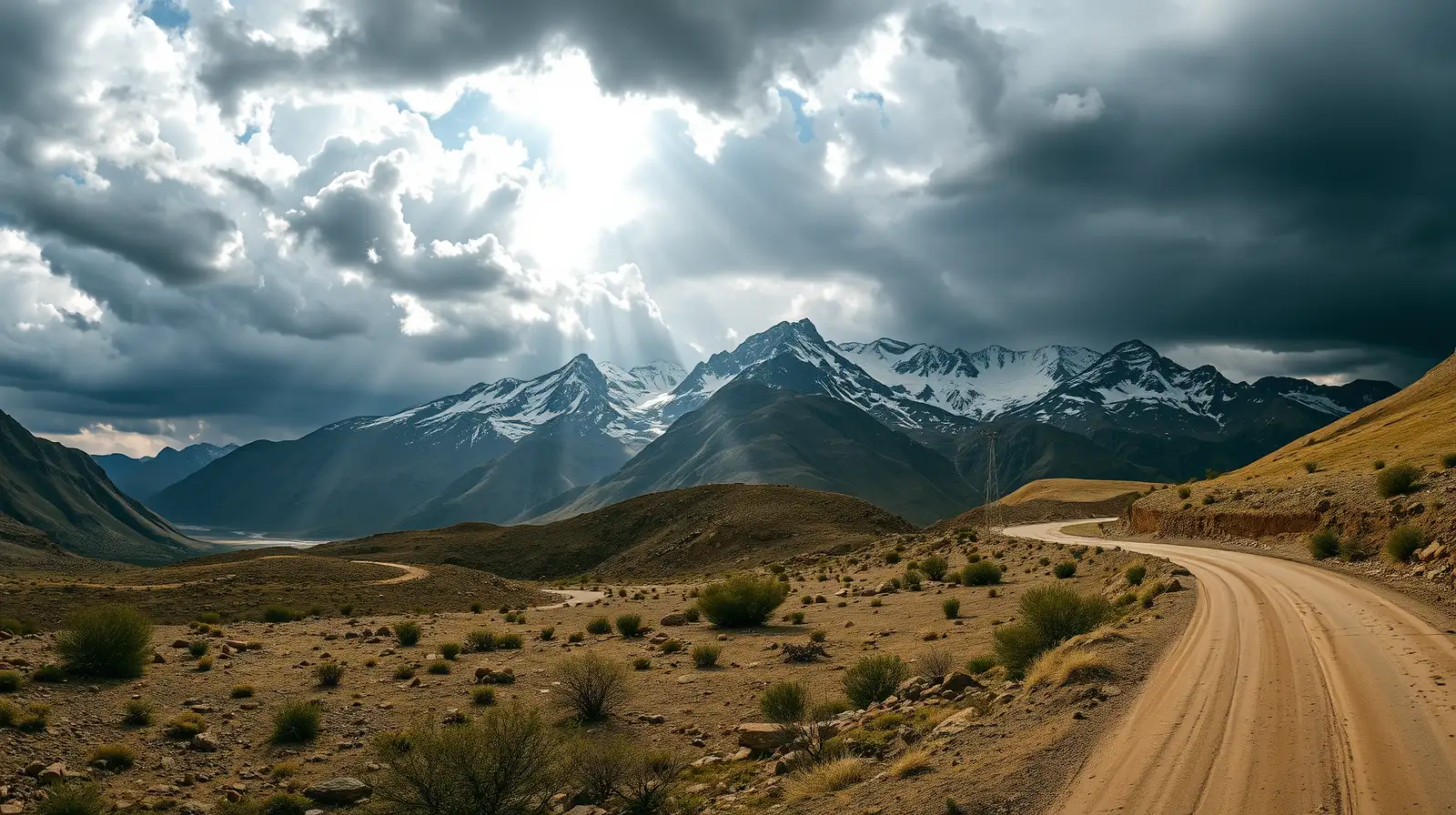
Because the region receives relatively little precipitation compared with the wetter parts of Himachal Pradesh, the landscape is largely barren. However, localised weather can still develop quickly around the mountains.
Sunlight can heat exposed slopes during the day, while shaded areas remain considerably colder. Winds moving through narrow valleys can also make conditions feel much harsher within a short period.
The Himalayas create a rain-shadow effect that limits the amount of moisture reaching the valley. During the summer, temperatures can become surprisingly pleasant in direct sunshine, but conditions change rapidly once the sun disappears.
This contrast is one reason visitors are often advised to prepare for several types of weather on the same journey.
Elevation is another major factor. Travelling just a few kilometres can mean gaining hundreds of metres in altitude, bringing lower temperatures and different conditions.
Clouds can also gather around peaks while nearby areas remain sunny, creating the strange experience of driving from bright sunshine into cold mist within a relatively short distance.
Travellers heading into Spiti therefore need layered clothing, sun protection, water and sufficient time for unexpected delays. Checking local weather and road conditions before setting out is particularly important.
Barley, peas and other hardy crops have historically been important because they can cope with the valley's demanding conditions.
The same environment that creates spectacular scenery therefore shapes the rhythm of everyday life.
Climate change adds another layer of uncertainty. Changing snowfall, rainfall patterns and glacial conditions can affect water availability and agriculture in high-altitude Himalayan communities.
Why Spiti's Weather Changes So Quickly
Spiti lies at a very high elevation, with many settlements located above 3,000 metres. The valley is surrounded by enormous Himalayan ranges that influence the movement of air and clouds.Because the region receives relatively little precipitation compared with the wetter parts of Himachal Pradesh, the landscape is largely barren. However, localised weather can still develop quickly around the mountains.
Sunlight can heat exposed slopes during the day, while shaded areas remain considerably colder. Winds moving through narrow valleys can also make conditions feel much harsher within a short period.
The Cold Desert Effect
Spiti is classified as a cold desert, a landscape that may look more like Tibet or Central Asia than the India most people imagine.The Himalayas create a rain-shadow effect that limits the amount of moisture reaching the valley. During the summer, temperatures can become surprisingly pleasant in direct sunshine, but conditions change rapidly once the sun disappears.
This contrast is one reason visitors are often advised to prepare for several types of weather on the same journey.
Why Mountains Make Forecasting Difficult
Mountain weather is notoriously difficult to predict at a very local level. A forecast for an entire valley cannot always describe what is happening around a particular mountain pass or village.Elevation is another major factor. Travelling just a few kilometres can mean gaining hundreds of metres in altitude, bringing lower temperatures and different conditions.
You may also like
- Fall/Winter fashion 2026: Designer Ranna Gill's 3 rules for looking effortlessly chic this season
- Business rivals & road trip buddies land in kolkata: Vintage Bentley duo on a round-the-world drive
- Your Smile Tells the Real Story: How Oral Health Boosts Your Confidence and Transforms Your Social Life
- Forgetting names moments after meeting someone? Psychology explains why your brain remembers the person but loses their name
- In the 1630s, people paid fortunes for tulip bulbs: How a flower became one of history's strangest investments
Clouds can also gather around peaks while nearby areas remain sunny, creating the strange experience of driving from bright sunshine into cold mist within a relatively short distance.
What This Means for Travellers
For visitors, sudden weather changes are more than a photographic curiosity. Roads can become difficult when rain, snowfall or landslides affect mountain routes, while strong sunlight at high altitude can make the air feel warmer than it actually is.Travellers heading into Spiti therefore need layered clothing, sun protection, water and sufficient time for unexpected delays. Checking local weather and road conditions before setting out is particularly important.
A Landscape Shaped by Extreme Conditions
The unusual weather has influenced how people live in Spiti. Traditional villages are compact, agricultural activity is strongly seasonal and crops have to be grown during a relatively short window.Barley, peas and other hardy crops have historically been important because they can cope with the valley's demanding conditions.
The same environment that creates spectacular scenery therefore shapes the rhythm of everyday life.
Why Spiti's Weather Matters Today
As more travellers discover India's high-altitude destinations, understanding these weather patterns has become increasingly important. Greater tourism brings income to local communities, but it also means more people are travelling through environments where conditions can change quickly.Climate change adds another layer of uncertainty. Changing snowfall, rainfall patterns and glacial conditions can affect water availability and agriculture in high-altitude Himalayan communities.






Loving Newspoint? Download the app now
