
Why Whales Sing Underwater: The Fascinating Reason Behind Their Mysterious Ocean Songs

Whales spend much of their lives in a world where sound can travel farther and more efficiently than sight. That makes underwater calls an important part of how these huge mammals communicate, locate one another and navigate their surroundings. Among the most remarkable examples are whale songs , especially the long, patterned sounds produced by humpback whales. These songs can travel considerable distances through the ocean, allowing information to move across a space where visibility is limited. Scientists have studied whale vocalisations for decades, but the exact purpose of some songs is still being investigated. So, why do whales sing underwater?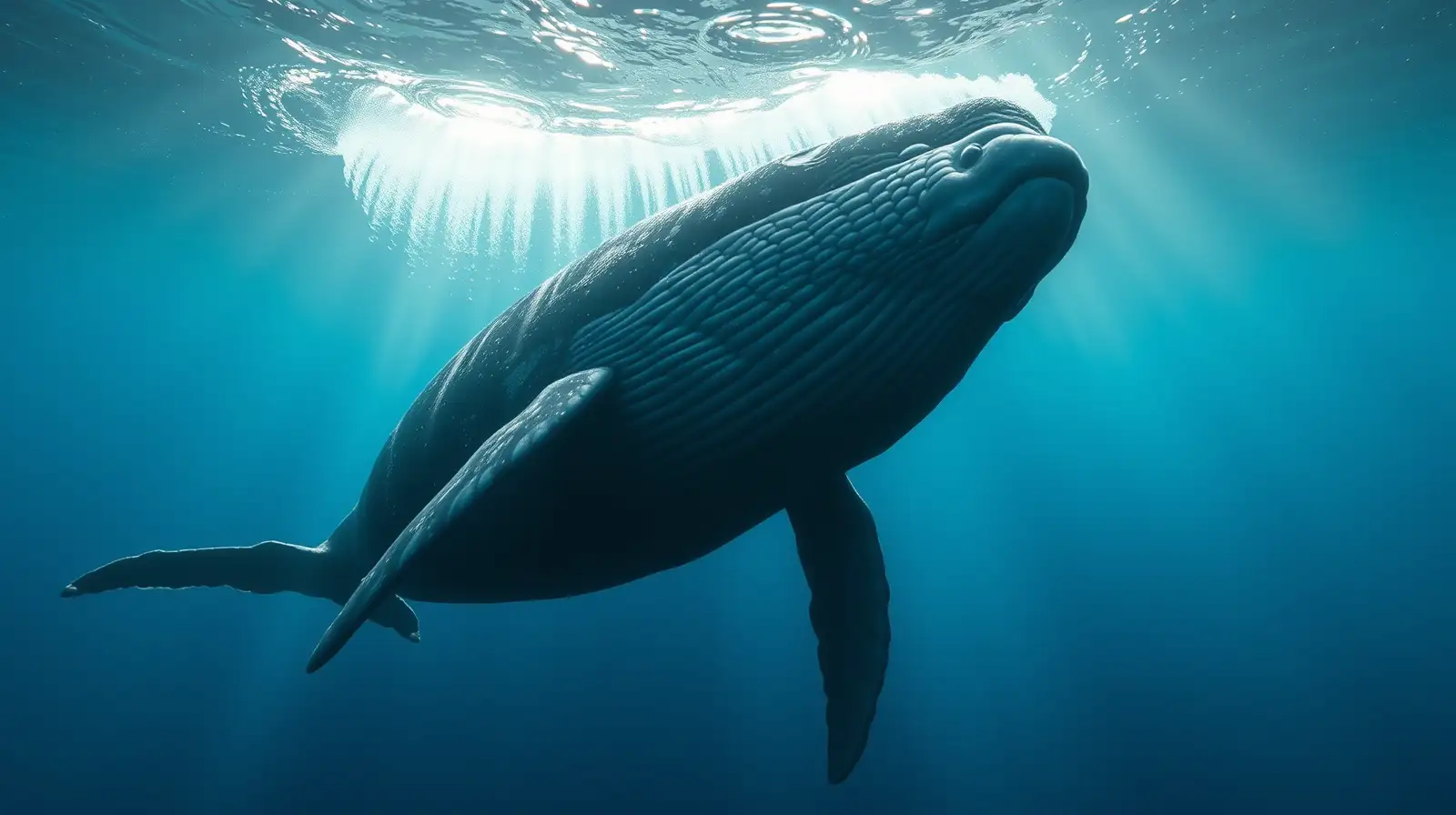
Baleen whales such as humpback, blue and fin whales are particularly associated with low-frequency sounds. NOAA notes that whale sounds can support communication, social behaviour and, in some species, locating food or surroundings.
Scientists believe these songs are connected to reproduction and competition, but the precise function remains under study. Researchers at the Hawaiian Islands Humpback Whale National Marine Sanctuary say the song is generally considered a display involved in reproductive behaviour, with evidence suggesting it may be directed towards other males.
Hydrophones can detect songs from considerable distances, helping scientists track whale presence.
So, why do whales sing underwater? There is no single answer for every species or sound. For humpback whales, song is strongly associated with breeding behaviour, while other whale vocalisations serve communication, navigation, feeding or social purposes. Their songs remain a remarkable example of how sound shapes life beneath the waves.
Sound Is Vital Underwater
For whales, sound is one of the main ways they exchange information in the ocean. Water carries sound at about 1,500 metres per second, faster than it travels through air. Ocean conditions can also create sound channels that allow some sounds to travel thousands of miles.Baleen whales such as humpback, blue and fin whales are particularly associated with low-frequency sounds. NOAA notes that whale sounds can support communication, social behaviour and, in some species, locating food or surroundings.
Why Humpback Whales Sing
The phrase “whale song” is most strongly linked with humpback whales. Their songs are not random noises. They contain repeated phrases arranged into larger themes, creating complex sequences. Male humpback whales are the singers, particularly during the breeding season.Scientists believe these songs are connected to reproduction and competition, but the precise function remains under study. Researchers at the Hawaiian Islands Humpback Whale National Marine Sanctuary say the song is generally considered a display involved in reproductive behaviour, with evidence suggesting it may be directed towards other males.
How Whales Produce Their Songs
Humpback whales do not sing by speaking in the human sense. Baleen whales produce sounds using specialised structures linked to their respiratory system. Air is moved through tissues and air sacs, creating vibrations that form powerful underwater sounds .Hydrophones can detect songs from considerable distances, helping scientists track whale presence.
Why Whale Songs Matter
Whale songs also show how dependent marine mammals are on their acoustic environment. Human-made noise from shipping and other activities can overlap with whale calls and make communication harder. NOAA notes that increased ocean noise can interfere with animals' ability to hear natural sounds.So, why do whales sing underwater? There is no single answer for every species or sound. For humpback whales, song is strongly associated with breeding behaviour, while other whale vocalisations serve communication, navigation, feeding or social purposes. Their songs remain a remarkable example of how sound shapes life beneath the waves.
Next Story