
Flax Seeds Benefits: Why You Should Add These Tiny Seeds To Your Diet

Flax seeds may be small, but they are packed with fibre, healthy fats and plant compounds that can support overall health. From better digestion to heart health and weight management, adding these seeds to your daily diet may offer several benefits. Here are six reasons to include flax seeds in your meals.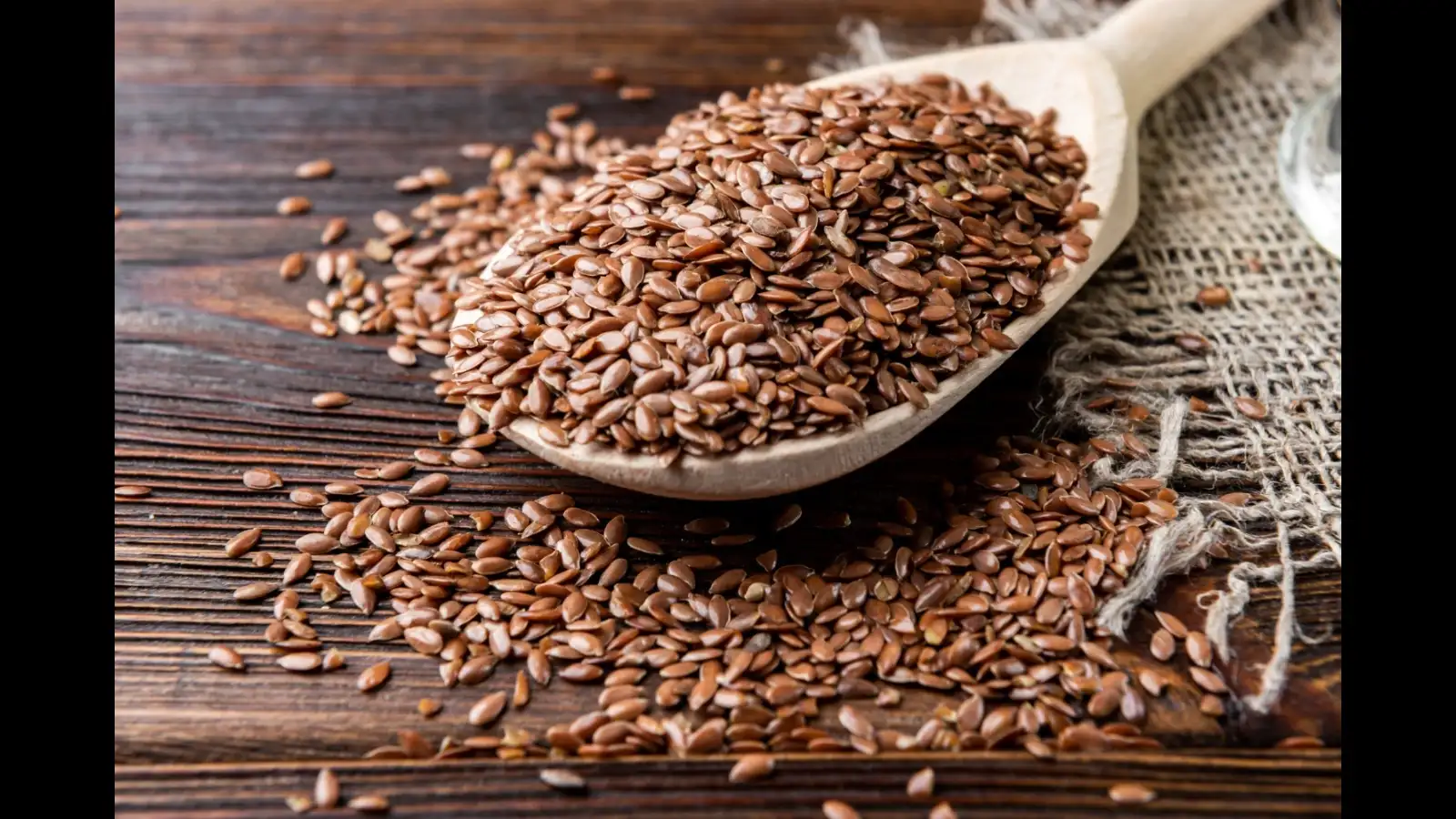
Adding flax seeds to your diet can be useful if you struggle with irregular bowel movements. However, increasing fibre too quickly may cause gas or bloating, so start with small amounts and drink enough water.
Research has also explored the possible benefits of flax seeds for blood pressure, cholesterol and other heart disease risk factors. Their fibre and healthy fat content makes them a useful addition to a balanced diet.
Their fibre content can slow digestion and promote fullness, which may reduce unnecessary snacking. Replacing high-calorie snacks with nutritious, fibre-rich foods can support healthy eating habits.
However, flax seeds are not a magic solution for weight loss. Overall diet, physical activity and portion sizes also matter.
Lower LDL levels are associated with better heart health. However, the effect can vary depending on the amount consumed, the form of flax seeds and a person's overall diet.
Their healthy fats may also contribute to a balanced diet that supports hair health. However, eating flax seeds alone cannot guarantee softer skin or stronger, shinier hair.
You can add them to:
Drink enough water when increasing fibre intake. If you have difficulty swallowing, bowel problems or take regular medicines, speak to a healthcare professional before adding large amounts of flax seeds to your diet.
1. Supports Digestion And Bowel Health
Flax seeds are a rich source of dietary fibre, which helps keep the digestive system working smoothly. Regular fibre intake supports bowel movements and may help prevent constipation.Adding flax seeds to your diet can be useful if you struggle with irregular bowel movements. However, increasing fibre too quickly may cause gas or bloating, so start with small amounts and drink enough water.
2. May Help Support Heart Health
Flax seeds contain alpha-linolenic acid (ALA), a plant-based omega-3 fatty acid. Omega-3 fats are known for their role in supporting heart health.Research has also explored the possible benefits of flax seeds for blood pressure, cholesterol and other heart disease risk factors. Their fibre and healthy fat content makes them a useful addition to a balanced diet.
3. Helps You Feel Full For Longer
Trying to manage your weight? Flax seeds may help you feel satisfied between meals.Their fibre content can slow digestion and promote fullness, which may reduce unnecessary snacking. Replacing high-calorie snacks with nutritious, fibre-rich foods can support healthy eating habits.
However, flax seeds are not a magic solution for weight loss. Overall diet, physical activity and portion sizes also matter.
4. May Help Manage Bad Cholesterol
Flax seeds contain soluble fibre and plant compounds called lignans. Studies suggest that consuming flax seeds may help lower LDL cholesterol, often called bad cholesterol, in some people.Lower LDL levels are associated with better heart health. However, the effect can vary depending on the amount consumed, the form of flax seeds and a person's overall diet.
5. Provides Nutrients For Skin And Hair
Flax seeds contain healthy fats, omega-3 ALA and antioxidants. These nutrients support normal skin function and help protect cells from oxidative stress.Their healthy fats may also contribute to a balanced diet that supports hair health. However, eating flax seeds alone cannot guarantee softer skin or stronger, shinier hair.
6. Easy To Add To Everyday Meals
One of the best things about flax seeds is how simple they are to use. Ground flax seeds are generally preferred over whole seeds because they are easier for the body to digest and absorb.You can add them to:
- Morning oats or porridge
- Smoothies and juices
- Salads
- Yoghurt
- Homemade smoothies or baked foods
How To Eat Flax Seeds Safely
Start with a small quantity, such as one teaspoon of ground flax seeds, and increase gradually if your body tolerates them. A common dietary amount is around one to two tablespoons a day, but individual needs vary.Drink enough water when increasing fibre intake. If you have difficulty swallowing, bowel problems or take regular medicines, speak to a healthcare professional before adding large amounts of flax seeds to your diet.
Next Story