
Why You Should Not Pass Salt Directly Hand-To-Hand: The Reason Behind This Indian Superstition

If you’ve ever asked for the salt at an Indian dining table, you may have been told to “put it down first, I’ll take it.” This quirky tradition is rooted in a superstition that passing salt directly from hand to hand can sour relationships and invite conflict. But there’s more to it than just old wives’ tales.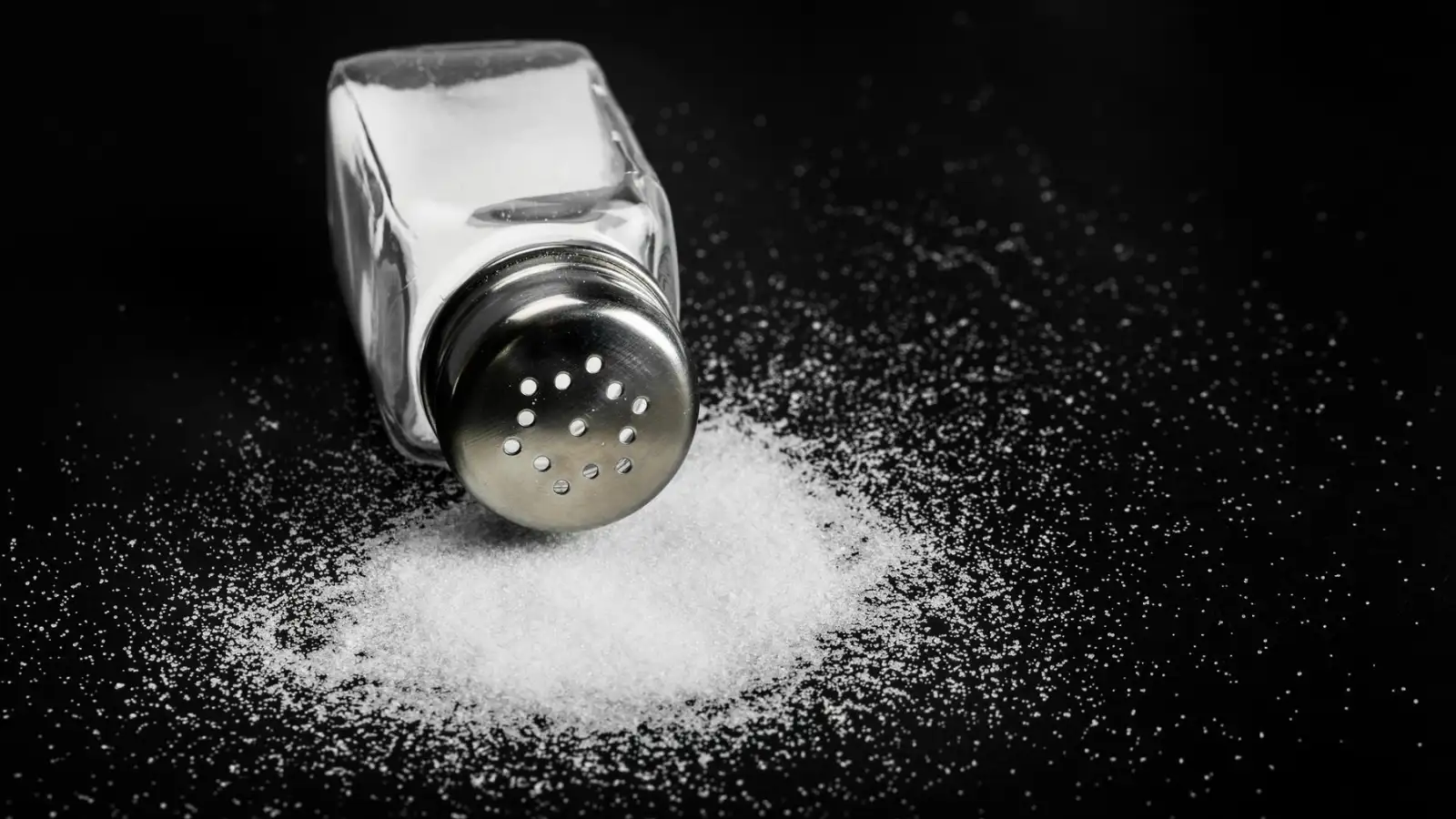
Fear of Bitter Relationships
Salt has long symbolised bitterness. It is believed that passing it directly from one person’s hand to another can metaphorically “transfer” bitterness, potentially causing arguments or tension. By placing the salt on the table instead, the act is neutralised, keeping harmony intact between giver and receiver.
Astrological Influence
Astrology also plays a role. Salt is associated with Saturn (Shani) and Rahu, planets that govern discipline, karma, and unforeseen challenges. It is believed that direct hand-to-hand passing could transfer negative energies, affecting relationships or luck. Leaving the salt for someone else to pick up is thought to preserve positive energy at home.
Read More: How To Use Turmeric To Remove Evil Eye And Negative Energy
Salt and Loyalty in Indian Culture
Historically, salt was a precious commodity and symbolised loyalty and trust. Dropping it or mishandling it was seen as disrespectful and unlucky. This cultural association evolved into a belief that careful handling of salt prevents misfortune and maintains bonds of loyalty between people.
Scientific and Hygienic Considerations
There is also a practical explanation. Hands, especially after meals, may carry germs, and touching salt directly could spread bacteria. Over time, this practical habit merged with superstition, reinforcing the idea that salt should never be handed directly from one person to another.
While modern households may view it as a quaint tradition, many Indian families continue the practice with love and devotion. Whether for relationship harmony, spiritual protection, or simple hygiene, the superstition of not passing salt hand-to-hand remains a fascinating glimpse into Indian culture.
Next time someone asks for salt, place it on the table and smile but it’s more than just tradition; it’s a gesture of care.
Disclaimer: This content is for informational purposes only, based on cultural and astrological beliefs. It is not a substitute for professional advice. Consult a qualified expert for guidance.
Fear of Bitter Relationships
Salt has long symbolised bitterness. It is believed that passing it directly from one person’s hand to another can metaphorically “transfer” bitterness, potentially causing arguments or tension. By placing the salt on the table instead, the act is neutralised, keeping harmony intact between giver and receiver. Astrological Influence
Astrology also plays a role. Salt is associated with Saturn (Shani) and Rahu, planets that govern discipline, karma, and unforeseen challenges. It is believed that direct hand-to-hand passing could transfer negative energies, affecting relationships or luck. Leaving the salt for someone else to pick up is thought to preserve positive energy at home.Read More: How To Use Turmeric To Remove Evil Eye And Negative Energy
Salt and Loyalty in Indian Culture
Historically, salt was a precious commodity and symbolised loyalty and trust. Dropping it or mishandling it was seen as disrespectful and unlucky. This cultural association evolved into a belief that careful handling of salt prevents misfortune and maintains bonds of loyalty between people.Scientific and Hygienic Considerations
There is also a practical explanation. Hands, especially after meals, may carry germs, and touching salt directly could spread bacteria. Over time, this practical habit merged with superstition, reinforcing the idea that salt should never be handed directly from one person to another. While modern households may view it as a quaint tradition, many Indian families continue the practice with love and devotion. Whether for relationship harmony, spiritual protection, or simple hygiene, the superstition of not passing salt hand-to-hand remains a fascinating glimpse into Indian culture.
Next time someone asks for salt, place it on the table and smile but it’s more than just tradition; it’s a gesture of care.
Disclaimer: This content is for informational purposes only, based on cultural and astrological beliefs. It is not a substitute for professional advice. Consult a qualified expert for guidance.
Next Story