
Why You Should Stop Throwing Away Watermelon Seeds And Start Eating Them Instead

Watermelon is one of the most refreshing fruits enjoyed during warm weather, but while most people happily eat the juicy flesh, the seeds are usually thrown away without a second thought. Surprisingly, watermelon seeds contain a variety of nutrients that may support overall health when consumed properly and in moderation.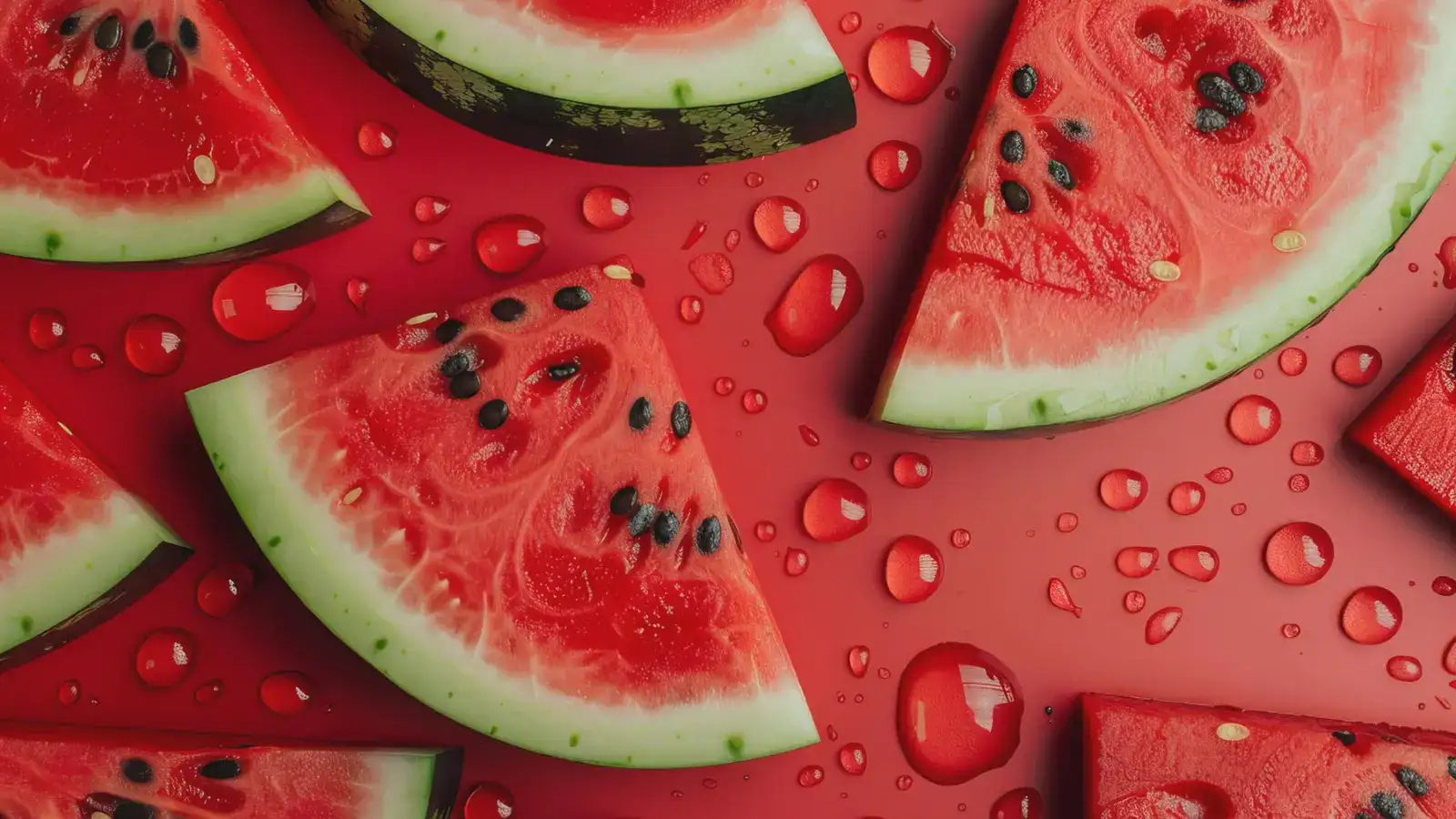
These tiny black or brown seeds are packed with protein, healthy fats, essential minerals and antioxidants. Roasted watermelon seeds, in particular, are becoming increasingly popular as healthy snack options among health-conscious consumers. Instead of viewing them as waste, many nutrition experts now consider them nutrient-rich additions to a balanced diet.
Although watermelon seeds should not replace core meals or essential nutrients from varied foods, they can certainly contribute positively to overall wellbeing. Here are some important health benefits of eating watermelon seeds that you should know.
For vegetarians and people looking for alternative protein sources, roasted watermelon seeds may provide a convenient addition to daily meals or snacks. Their nutritional profile makes them increasingly popular in healthy eating routines.
Watermelon seeds also contain magnesium, which helps maintain healthy blood pressure levels and supports proper heart function. Replacing heavily processed snacks with nutrient-rich seeds may contribute positively to cardiovascular wellbeing over time.
Eating watermelon seeds in moderation may help improve digestive comfort while also promoting feelings of fullness. However, excessive intake should be avoided because too much fibre at once may cause digestive discomfort in some individuals.
Iron is especially important for oxygen transport in the body, while zinc contributes to immune support and cell repair. Magnesium plays a role in maintaining muscle and bone health, making watermelon seeds nutritionally valuable despite their small size.
Roasted watermelon seeds can become a healthier alternative during midday hunger or evening cravings. Their nutrient combination helps provide steady energy without excessive sugar intake.
Including antioxidant-rich foods in daily diets is often associated with healthier ageing and better body function. While watermelon seeds alone are not a miracle food, they can complement a balanced diet rich in fruits, vegetables and whole foods.
Healthy fats may also help support skin hydration and elasticity. Although skincare depends on many lifestyle factors, nutrient-rich foods often support healthier skin from within.
Benefits of eating watermelon seeds may include better nutritional intake that helps the body perform essential defence functions more efficiently. Including nutrient-rich seeds in moderation can support overall wellness alongside healthy lifestyle choices.
Healthy seeds for diet plans are often recommended because they offer nutrients without relying heavily on processed ingredients. However, portion control remains important because seeds are calorie-dense despite their health benefits.
Some people also grind watermelon seeds into powder for use in recipes. Lightly roasted seeds with minimal salt are generally considered a healthier option compared to heavily flavoured packaged snacks.
While watermelon seeds offer several nutritional benefits, moderation remains essential. Eating excessive amounts may contribute to unnecessary calorie intake or digestive discomfort. Roasting the seeds can make them easier to consume and improve texture and flavour.
People with allergies to seeds or digestive sensitivities should also be cautious before making significant dietary changes. As with most foods, balance and variety are key to maintaining good health.
The next time you cut open a watermelon, you may think twice before discarding the seeds. These small seeds contain valuable nutrients that can contribute to better digestion, improved energy and overall wellness when enjoyed responsibly as part of a healthy and balanced diet.
These tiny black or brown seeds are packed with protein, healthy fats, essential minerals and antioxidants. Roasted watermelon seeds, in particular, are becoming increasingly popular as healthy snack options among health-conscious consumers. Instead of viewing them as waste, many nutrition experts now consider them nutrient-rich additions to a balanced diet.
Although watermelon seeds should not replace core meals or essential nutrients from varied foods, they can certainly contribute positively to overall wellbeing. Here are some important health benefits of eating watermelon seeds that you should know.
Rich Source Of Protein
Watermelon seeds contain plant-based protein, which plays an important role in supporting muscle repair, body function and overall energy levels. Protein also helps keep the body feeling fuller for longer periods, reducing unnecessary snacking.For vegetarians and people looking for alternative protein sources, roasted watermelon seeds may provide a convenient addition to daily meals or snacks. Their nutritional profile makes them increasingly popular in healthy eating routines.
Supports Heart Health
One of the key watermelon seed benefits is the presence of healthy fats, including unsaturated fatty acids. These fats may support heart health when consumed as part of a balanced diet.Watermelon seeds also contain magnesium, which helps maintain healthy blood pressure levels and supports proper heart function. Replacing heavily processed snacks with nutrient-rich seeds may contribute positively to cardiovascular wellbeing over time.
May Improve Digestion
The fibre content in watermelon seeds may support digestive health by helping maintain smoother bowel movements and improving gut function. Fibre-rich foods often assist digestion by supporting healthy intestinal activity.Eating watermelon seeds in moderation may help improve digestive comfort while also promoting feelings of fullness. However, excessive intake should be avoided because too much fibre at once may cause digestive discomfort in some individuals.
Provides Essential Minerals
Watermelon seeds nutrition includes important minerals such as magnesium, iron, zinc and potassium. These nutrients support several body functions, including nerve activity, muscle health and immune function.Iron is especially important for oxygen transport in the body, while zinc contributes to immune support and cell repair. Magnesium plays a role in maintaining muscle and bone health, making watermelon seeds nutritionally valuable despite their small size.
May Support Energy Levels
Watermelon seeds contain healthy fats, protein and minerals that can help support sustained energy levels throughout the day. Unlike sugary processed snacks that may lead to energy crashes, nutrient-dense seeds offer more balanced nourishment.Roasted watermelon seeds can become a healthier alternative during midday hunger or evening cravings. Their nutrient combination helps provide steady energy without excessive sugar intake.
Contains Antioxidants
Antioxidants help protect the body against oxidative stress caused by free radicals. Watermelon seeds contain compounds that may contribute to cellular protection and overall wellbeing.Including antioxidant-rich foods in daily diets is often associated with healthier ageing and better body function. While watermelon seeds alone are not a miracle food, they can complement a balanced diet rich in fruits, vegetables and whole foods.
Supports Healthy Skin
Some nutrients found in watermelon seeds, including healthy fats and zinc, may contribute to skin health. Zinc plays an important role in skin repair and maintaining overall skin function.Healthy fats may also help support skin hydration and elasticity. Although skincare depends on many lifestyle factors, nutrient-rich foods often support healthier skin from within.
May Help Strengthen Immunity
Zinc, iron and magnesium present in watermelon seeds contribute to immune system support. A strong immune system depends on adequate nutrition and balanced dietary habits.Benefits of eating watermelon seeds may include better nutritional intake that helps the body perform essential defence functions more efficiently. Including nutrient-rich seeds in moderation can support overall wellness alongside healthy lifestyle choices.
You may also like
- The front yard shrub trick that makes landscaping look good even after summer flowers fade
- “There was no way we couldn't come to Pune”: Paresh Pahuja on his connection to the city
- Summer Fungal Infection: Troubled by fungal infections in summer, stop making these mistakes today.
- Photos Will Now Vanish Instantly: Instagram Introduces a Snapchat-Like Feature
- Turmeric to serums: Night-time skincare essentials for repair, glow and anti-ageing
Useful For Weight Management
Because watermelon seeds contain protein, fibre and healthy fats, they may help improve satiety and reduce frequent unhealthy snacking. Feeling fuller for longer periods can support healthier eating habits.Healthy seeds for diet plans are often recommended because they offer nutrients without relying heavily on processed ingredients. However, portion control remains important because seeds are calorie-dense despite their health benefits.
Easy To Include In Daily Diets
One reason watermelon seeds are gaining popularity is their versatility. Roasted seeds can be eaten as snacks, added to salads, sprinkled over yoghurt or mixed into smoothies and trail mixes.Some people also grind watermelon seeds into powder for use in recipes. Lightly roasted seeds with minimal salt are generally considered a healthier option compared to heavily flavoured packaged snacks.
While watermelon seeds offer several nutritional benefits, moderation remains essential. Eating excessive amounts may contribute to unnecessary calorie intake or digestive discomfort. Roasting the seeds can make them easier to consume and improve texture and flavour.
People with allergies to seeds or digestive sensitivities should also be cautious before making significant dietary changes. As with most foods, balance and variety are key to maintaining good health.
The next time you cut open a watermelon, you may think twice before discarding the seeds. These small seeds contain valuable nutrients that can contribute to better digestion, improved energy and overall wellness when enjoyed responsibly as part of a healthy and balanced diet.






More from our partners


Loving Newspoint? Download the app now
