
Why Your Houseplants Struggle and How to Improve Their Growing Conditions

Indoor plants can make a room feel more inviting, but keeping them healthy takes more than watering whenever the soil looks dry. Different species have different requirements for light, moisture and temperature. A plant that thrives beside a bright window may struggle in a dark corner, while another may be damaged by strong direct sunlight.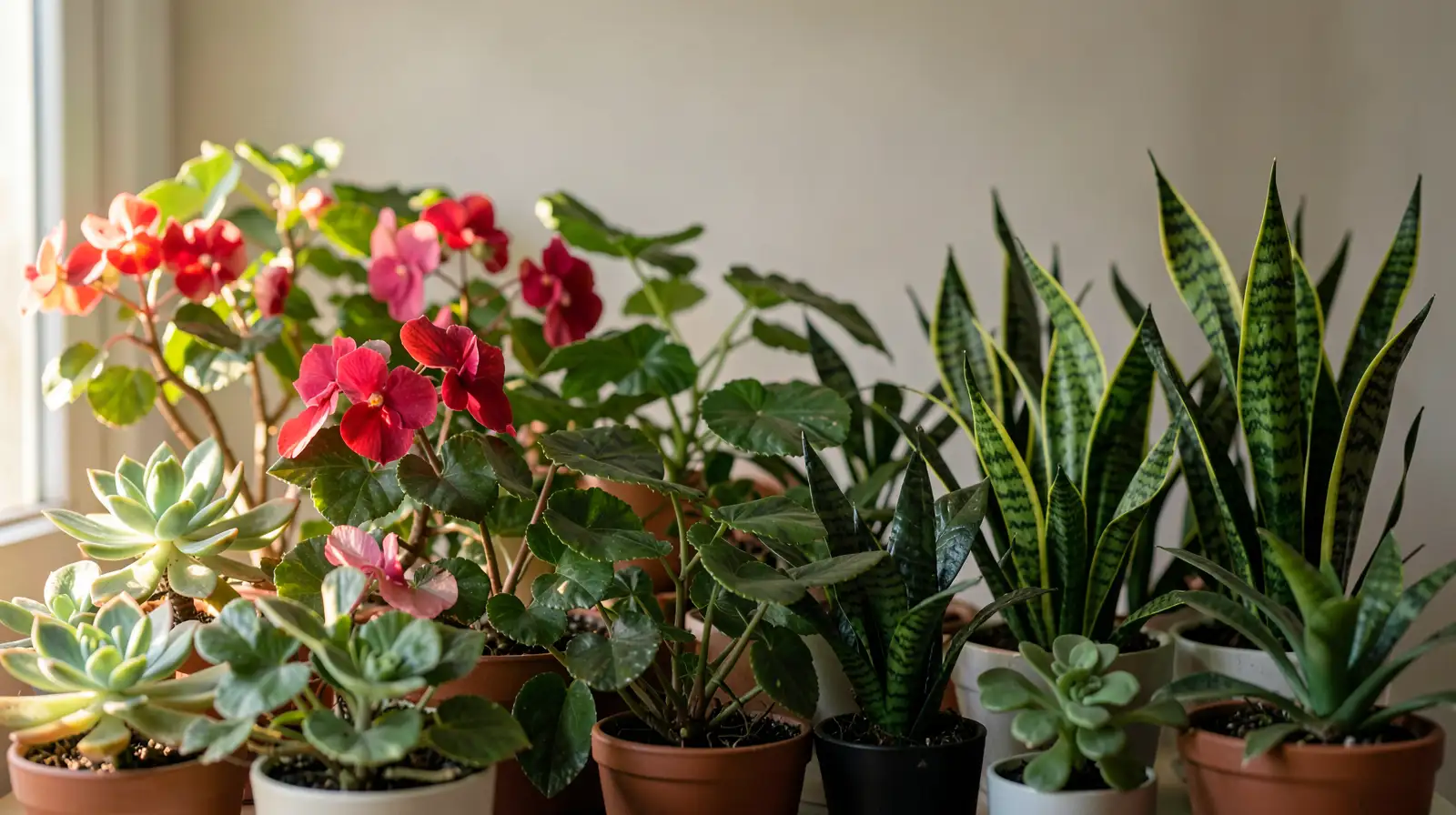
The most useful habit is to observe each plant and learn what suits it. Avoid following a rigid watering schedule for every pot. Instead, check the soil, consider the growing conditions and make adjustments gradually when the leaves or growth suggest a problem.
Move plants gradually if they need a brighter position, rather than exposing them suddenly to intense direct sun. Rotate pots occasionally if growth becomes uneven, but avoid repeatedly moving a plant that is already adjusting. Check the needs of the specific species before deciding where it belongs.
Water thoroughly when needed, then allow excess water to drain away. Do not leave a pot sitting in standing water for long periods unless the plant's care requirements specifically call for it. Frequency varies with species, pot size, season, temperature and light, so a universal weekly schedule is rarely reliable.
Remove dead leaves with clean tools and wipe dusty foliage gently when appropriate for the plant. Avoid applying household cleaning products to leaves. If a plant develops a serious pest problem, identify the issue and use a treatment suitable for that plant, following product instructions carefully.
Keep plants away from cold draughts or sudden temperature changes where relevant. If you have pets, check whether your plants are toxic to them and position hazardous species out of reach or choose safer alternatives. With suitable light, careful watering and regular observation, indoor plant care can become a simple part of everyday home life.
The most useful habit is to observe each plant and learn what suits it. Avoid following a rigid watering schedule for every pot. Instead, check the soil, consider the growing conditions and make adjustments gradually when the leaves or growth suggest a problem.
Match the plant to the light
Before choosing a spot, consider how much natural light reaches it during the day. Some houseplants tolerate lower light, while others need brighter conditions to grow well. A room that looks bright to a person may still provide limited light for a plant, especially if it is far from a window.Move plants gradually if they need a brighter position, rather than exposing them suddenly to intense direct sun. Rotate pots occasionally if growth becomes uneven, but avoid repeatedly moving a plant that is already adjusting. Check the needs of the specific species before deciding where it belongs.
Water according to the plant's needs
Overwatering is a common problem because the surface of the soil may look dry while the lower layers remain wet. Check moisture below the surface with a finger or another suitable method before watering. Pots should have drainage holes unless the plant is being grown in a system designed for different conditions.You may also like
- Dietitian Reveals Which Kishmish Is Healthier and Exactly How Much to Eat Daily
- Eat Soaked Figs Daily: Flush Gut Toxins, Relieve Chronic Constipation
- Safe Natural Remedies to Clear Stubborn Earwax Without Damaging Your Eardrums
- Nirjala Vrat: Why do dizziness, headaches, and weakness occur during the Karva Chauth fast? Find out..
- Understanding Children's Sharing Habits: A Guide for Parents
Water thoroughly when needed, then allow excess water to drain away. Do not leave a pot sitting in standing water for long periods unless the plant's care requirements specifically call for it. Frequency varies with species, pot size, season, temperature and light, so a universal weekly schedule is rarely reliable.
Check leaves and soil regularly
Yellowing leaves, drooping growth or brown tips can have several causes, including watering problems, unsuitable light, pests or environmental stress. Look for patterns rather than assuming every symptom has the same explanation. Check the undersides of leaves for insects and inspect the soil for persistent dampness or an unpleasant smell.Remove dead leaves with clean tools and wipe dusty foliage gently when appropriate for the plant. Avoid applying household cleaning products to leaves. If a plant develops a serious pest problem, identify the issue and use a treatment suitable for that plant, following product instructions carefully.
Keep the routine manageable
Use pots and compost suited to the plant, and repot only when there is a practical reason, such as overcrowded roots or deteriorating growing medium. Feeding requirements also differ, so follow guidance for the species and avoid adding fertiliser excessively.Keep plants away from cold draughts or sudden temperature changes where relevant. If you have pets, check whether your plants are toxic to them and position hazardous species out of reach or choose safer alternatives. With suitable light, careful watering and regular observation, indoor plant care can become a simple part of everyday home life.






Loving Newspoint? Download the app now
