
The Post-Rain Shift: Why Your Skin Feels Different After a Rainy Day

When a sudden downpour washes across your city, the surrounding atmosphere undergoes a dramatic transformation. The air cools down, dust settles from the sky, and high humidity levels flood the environment. While most people notice the refreshing earthy scent or the cool breeze on their face, your skin registers these environmental changes long before you consciously think about them.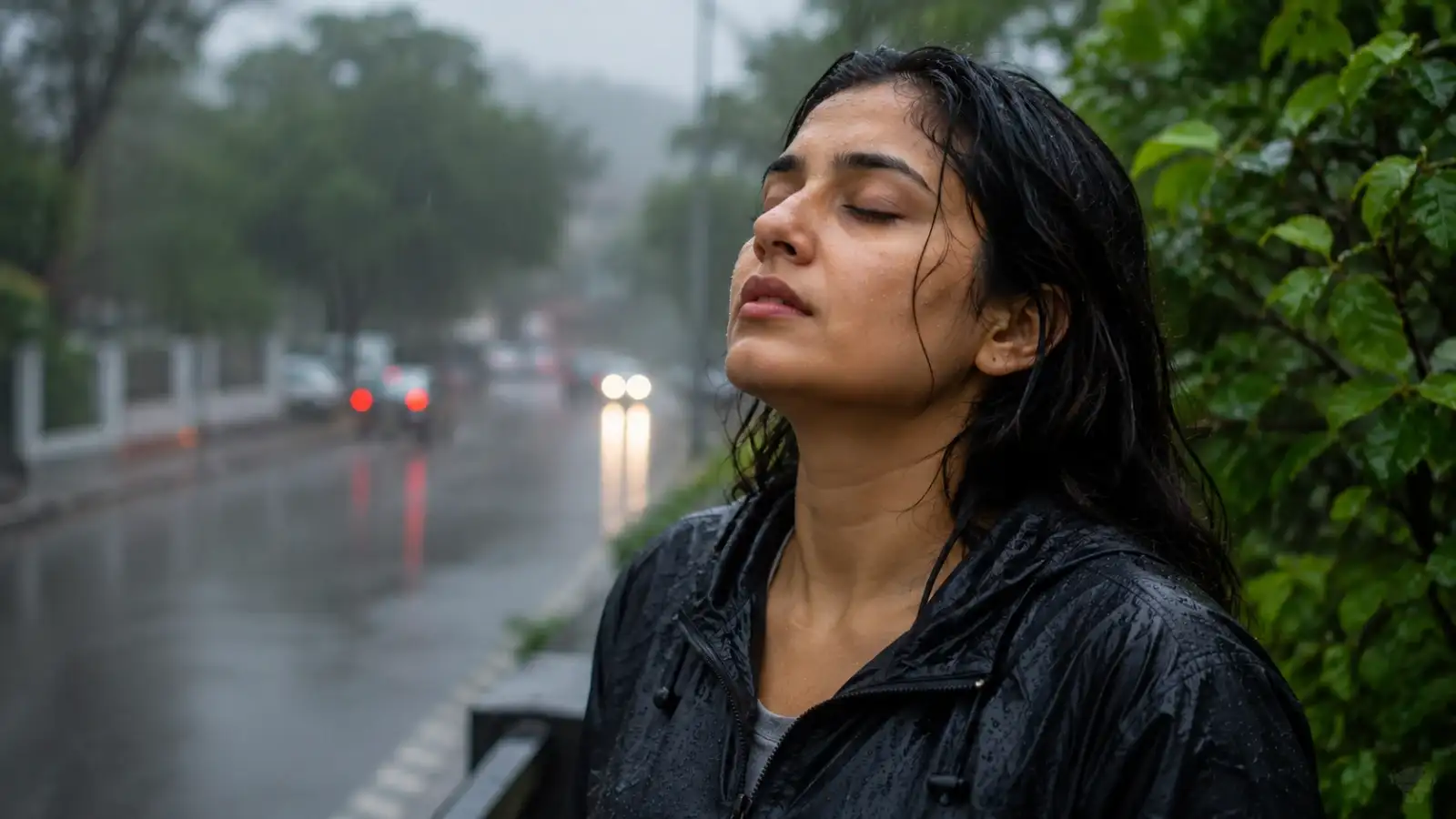
You might notice your face feeling uncomfortably sticky, unusually oily, unexpectedly tight, or prone to sudden breakouts shortly after rain stops. Your skin acts as a protective barrier that constantly adapts to ambient air conditions. Exploring why your skin feels different after a rainy day reveals how high atmospheric humidity, shifting sebum production, surface hydration barrier changes, and microscopic rainwater interactions alter your skin texture.
When your skin is exposed to high humidity, your sweat glands and sebaceous glands react almost instantly. High moisture levels in the air slow down sweat evaporation from your skin surface, leaving a thin layer of moisture trapped on your face. To make matters more complicated, humid air signals your oil glands to produce excess sebum. When trapped sweat mixes with fresh natural oils, your face can quickly shift from feeling balanced to feeling heavy, greasy, and slick to the touch.
When relative humidity rises during and after rain, your stratum corneum swells with absorbed moisture, making your skin feel temporarily plumper, softer, and more supple. However, if your natural skin barrier is weakened or if you move quickly from humid outdoor air into a dry air conditioned room, that excess surface moisture evaporates rapidly. This sudden loss of absorbed water can leave your skin feeling strangely tight, itchy, or dehydrated despite the damp weather outside.
When ambient air remains damp and humid after rain, these atmospheric particles mix with excess skin oils and dead skin cells lingering on your face. This damp mixture can settle deep inside your pores, clogging them up and triggering localized inflammation. This atmospheric buildup is precisely why your skin feels different after a rainy day, often feeling congested, rough, or bumpy within hours of wet weather.
This minor restriction in localized blood flow temporarily reduces the supply of oxygen and essential nutrients reaching your skin cells. As a result, your complexion can look slightly dull or feel cool and insensitive until your body readjusts to the temperature shift.
You might notice your face feeling uncomfortably sticky, unusually oily, unexpectedly tight, or prone to sudden breakouts shortly after rain stops. Your skin acts as a protective barrier that constantly adapts to ambient air conditions. Exploring why your skin feels different after a rainy day reveals how high atmospheric humidity, shifting sebum production, surface hydration barrier changes, and microscopic rainwater interactions alter your skin texture.
Surging humidity levels and shifting sebum production
The primary driver behind post-rain skin texture changes is a massive spike in relative atmospheric humidity. Rain fills the ambient air with fine water vapor, creating a dense, moisture-rich environment around you.When your skin is exposed to high humidity, your sweat glands and sebaceous glands react almost instantly. High moisture levels in the air slow down sweat evaporation from your skin surface, leaving a thin layer of moisture trapped on your face. To make matters more complicated, humid air signals your oil glands to produce excess sebum. When trapped sweat mixes with fresh natural oils, your face can quickly shift from feeling balanced to feeling heavy, greasy, and slick to the touch.
Surface barrier hydration and trapped atmospheric moisture
Humidity is not entirely bad for your complexion; in fact, natural atmospheric moisture provides immediate surface hydration. Your outermost skin layer, known as the stratum corneum, acts like a tiny sponge that absorbs ambient water molecules from humid air.You may also like
- Why do some houses always smell good, even without room fresheners?
- Dog Parents Alert: 7 Common Kitchen Foods That Can Be Dangerous for Your Pet
- Karnataka man spent nearly 3 hours in the Arabian Sea; rescuer Eshwar Malpe swam almost 3 nautical miles to reach him and bring him back
- These four foods will never expire! Here's why
- Forget fridge magnets. Bring me snacks
When relative humidity rises during and after rain, your stratum corneum swells with absorbed moisture, making your skin feel temporarily plumper, softer, and more supple. However, if your natural skin barrier is weakened or if you move quickly from humid outdoor air into a dry air conditioned room, that excess surface moisture evaporates rapidly. This sudden loss of absorbed water can leave your skin feeling strangely tight, itchy, or dehydrated despite the damp weather outside.
Rainy day pollutants and clogged pore dynamics
Rainwater is often perceived as pure and clean, but as raindrops fall through the sky, they collect microscopic dust particles, vehicle emissions, and atmospheric pollutants. When you walk outdoors during or after a storm, fine water droplets carrying environmental pollutants settle directly on your face.When ambient air remains damp and humid after rain, these atmospheric particles mix with excess skin oils and dead skin cells lingering on your face. This damp mixture can settle deep inside your pores, clogging them up and triggering localized inflammation. This atmospheric buildup is precisely why your skin feels different after a rainy day, often feeling congested, rough, or bumpy within hours of wet weather.
Temperature drops and blood circulation shifts
Rainy weather is almost always accompanied by a sudden drop in outdoor temperatures. Cold winds and cool air currents cause tiny blood vessels near your skin surface to contract slightly to conserve core body heat.This minor restriction in localized blood flow temporarily reduces the supply of oxygen and essential nutrients reaching your skin cells. As a result, your complexion can look slightly dull or feel cool and insensitive until your body readjusts to the temperature shift.
Adapting your skincare routine for rainy weather
Understanding why your skin feels different after a rainy day helps you tailor your daily routine to changing weather patterns. By switching to light water based moisturizers and cleansing gently after rain, you can keep your skin fresh and balanced through every storm.





Loving Newspoint? Download the app now
