
Why Your Skin Gets Tight and Dry After a Swim

Few things feel better than getting out of a pool on a hot day. Yet several minutes later, your skin may feel strangely tight, dry or “squeaky”. Your face can feel particularly uncomfortable, as though something has been removed from its surface. Swimming is excellent exercise, but the water environment is not identical to an ordinary bath or shower. Chlorine, repeated exposure to water, pool chemicals and the surrounding air can all influence the skin barrier. For some people, especially those with sensitive skin, the effects can be noticeable within hours.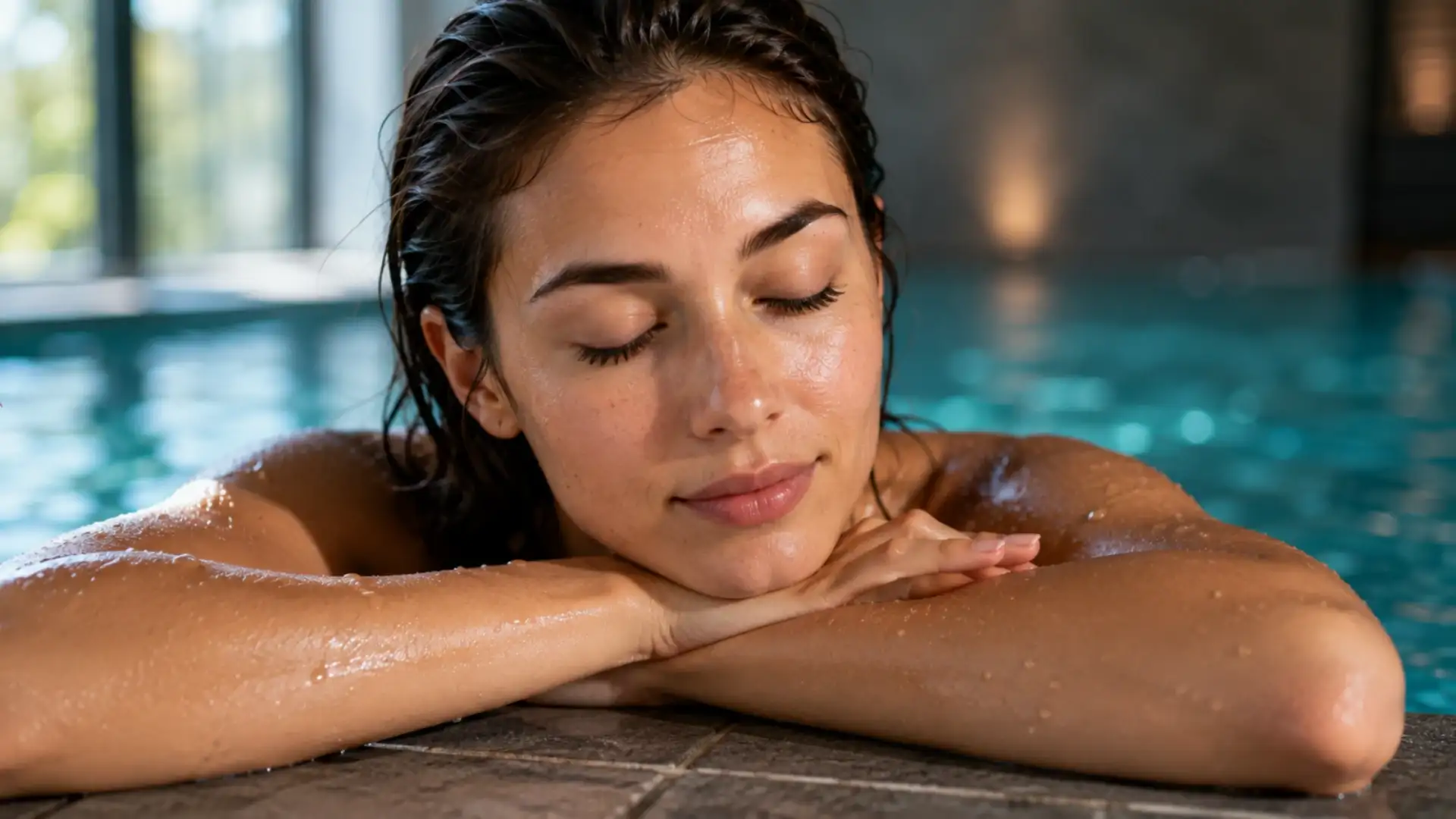
In one study, swimming for an hour in a public pool altered skin pH, reduced skin capacitance and reduced surface sebum. The measured changes returned to baseline by the following day.
This helps explain why your skin can feel different immediately after swimming without necessarily experiencing permanent damage.
The American Academy of Dermatology recommends showering immediately after leaving a pool and applying moisturiser afterwards, particularly for people prone to dry or irritated skin.
Research has also found that chlorine exposure can reduce the water-holding capacity of the outer skin layer, particularly in people with atopic dermatitis.
The effect is not necessarily caused by chlorine alone. The entire environment matters, including prolonged water exposure and the chemicals used to maintain the pool.
That familiar tight sensation is therefore not necessarily proof that your skin is “cleaner”. It can simply be a sign that the surface environment has changed.
For regular swimmers, this small routine can make a noticeable difference.
Swimming may leave you feeling refreshed, but your skin sometimes needs its own little recovery period afterwards.
Pool Water Changes the Skin Surface
Research on recreational swimming has found measurable temporary changes in skin properties.In one study, swimming for an hour in a public pool altered skin pH, reduced skin capacitance and reduced surface sebum. The measured changes returned to baseline by the following day.
This helps explain why your skin can feel different immediately after swimming without necessarily experiencing permanent damage.
Chlorine Can Contribute to Dryness
Chlorine is essential for keeping swimming pools hygienic, but pool chemicals can also irritate or dry the skin.You may also like
- When the King Offered His Head
- Train Cancellations: These 18 trains will remain cancelled in September; passengers should check the railway's list.
- Government Offers Major EPF Opportunity: Names Can Be Added to Coverage Until October 31
- What happens if you don't show your Aadhaar card during a hotel raid?
- Meet the 'Almond Mom': Internet's latest viral parenting trend that can harm kids
The American Academy of Dermatology recommends showering immediately after leaving a pool and applying moisturiser afterwards, particularly for people prone to dry or irritated skin.
Research has also found that chlorine exposure can reduce the water-holding capacity of the outer skin layer, particularly in people with atopic dermatitis.
Swimming Can Affect the Skin Barrier
A study of elite athletes found that swimmers experienced increased transepidermal water loss after a two-hour swimming session, suggesting temporary changes in skin barrier function .The effect is not necessarily caused by chlorine alone. The entire environment matters, including prolonged water exposure and the chemicals used to maintain the pool.
Why Your Skin Feels Tight Afterwards
When the skin surface loses some of its protective lipids or moisture, it can feel tight even before visible dryness appears.That familiar tight sensation is therefore not necessarily proof that your skin is “cleaner”. It can simply be a sign that the surface environment has changed.
A Simple Post-Swim Habit Helps
Rinse with fresh water after swimming, use a mild cleanser when needed and apply moisturiser while the skin is still slightly damp.For regular swimmers, this small routine can make a noticeable difference.
Swimming may leave you feeling refreshed, but your skin sometimes needs its own little recovery period afterwards.






Loving Newspoint? Download the app now
