
Beyond Ladakh's Popular Routes: Discover the Wild Beauty and Adventure of Zanskar Valley

Zanskar Valley is one of Ladakh's most striking adventure destinations, known for its remote mountain landscapes, dramatic river valleys, high-altitude passes and traditional villages. Its challenging roads and rugged terrain attract travellers looking for experiences beyond conventional sightseeing. From trekking across mountain trails to river rafting and winter expeditions, the valley offers opportunities for outdoor exploration in different seasons. However, its remote location and demanding weather conditions make careful planning essential.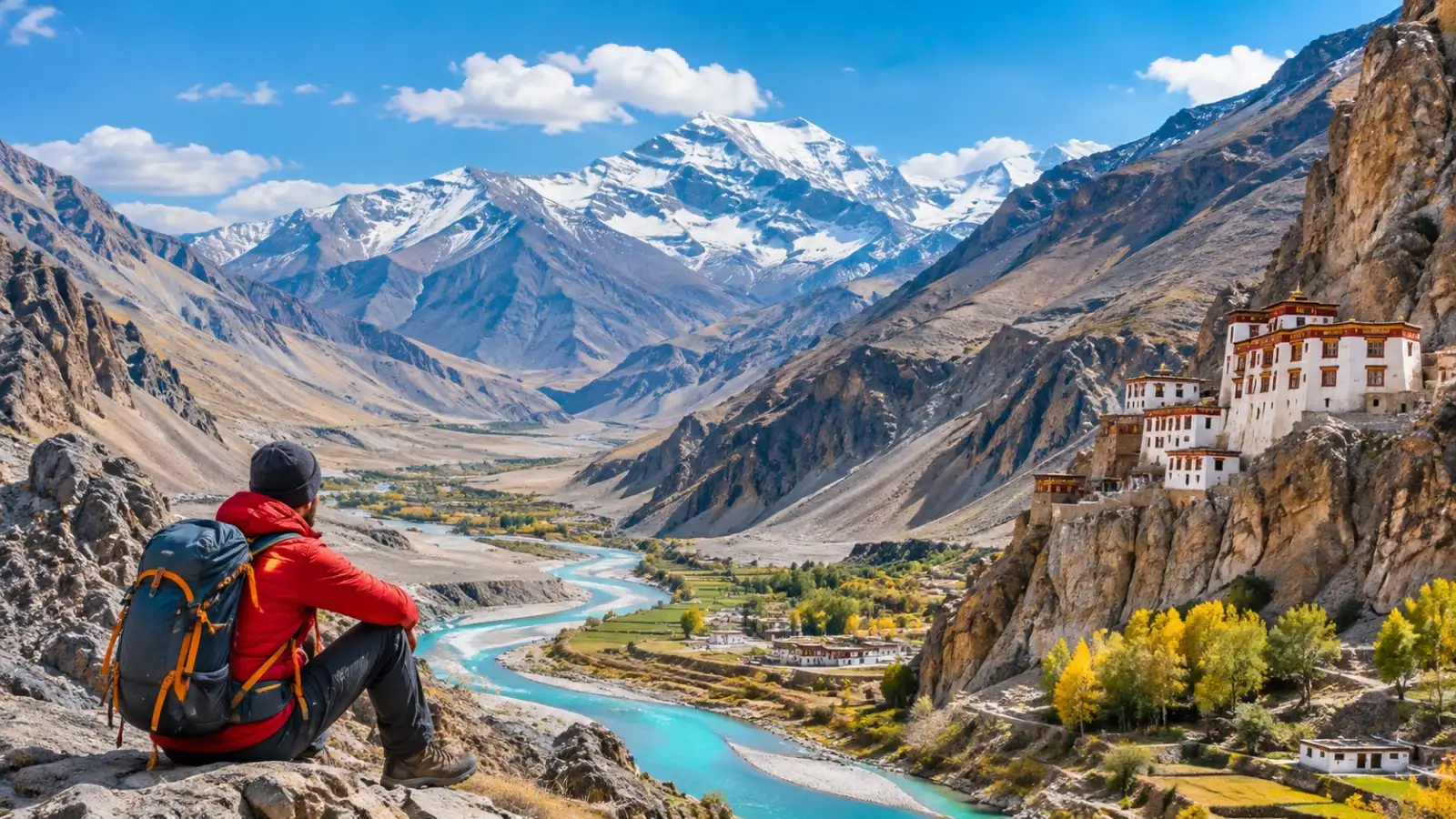
The landscape changes with the seasons. Summer brings patches of greenery around villages and rivers, while winter covers much of the region in snow. The contrast between barren mountain slopes and bright blue skies creates a memorable setting for photography, camping and outdoor exploration.
Trekkers follow sections of the frozen river through narrow gorges, surrounded by towering cliffs and snow-covered landscapes. The experience is physically demanding because of freezing temperatures, changing ice conditions and remote surroundings.
It is not an ordinary sightseeing walk. Participants should undertake it only through authorised, experienced operators and follow local safety instructions. The trek's schedule and feasibility depend on weather and river conditions.
Some rafting routes involve challenging rapids and multi-day journeys with overnight camping along the riverbanks. These experiences are generally better suited to trained participants and travellers with suitable fitness levels.
River conditions can change, so rafting should always be arranged through qualified operators who provide appropriate equipment and safety support.
Another approach connects the region with Darcha in Himachal Pradesh through Shinku La. These mountain routes offer views of rugged peaks, remote settlements and dramatic high-altitude terrain.
The roads can be affected by snowfall, landslides and difficult weather. Travellers should check local road conditions before setting out rather than relying on fixed travel schedules.
Long-distance trekking routes connect different parts of Ladakh and neighbouring Himalayan regions. Depending on the route, hikers may cross high passes, encounter remote settlements and camp in areas far from major towns.
Choosing a route that matches your fitness, experience and acclimatisation level is important.
Travellers can enjoy views of the glacier from the mountain pass and nearby viewpoints. The area is especially appealing to photographers and nature enthusiasts interested in high-altitude Himalayan landscapes.
Its remote setting also makes the journey an experience in itself.
Phugtal Monastery is particularly fascinating because it is built around a natural cave on a steep mountainside. Karsha Monastery and Stongdey Monastery are other important religious sites that reflect the region's Buddhist traditions.
Reaching some of these monasteries involves walking along mountain paths, making the visits interesting for travellers who enjoy combining cultural exploration with light trekking.
Padum serves as the main settlement and a useful base for exploring the valley. Smaller villages feature traditional houses, agricultural fields and monasteries that reflect the region's local culture.
Spending time in homestays, interacting respectfully with residents and learning about local customs can add depth to an adventure trip.
Camping near suitable designated locations allows travellers to experience mountain silence, fresh air and impressive views. On clear nights, the sky can reveal countless stars, making the region appealing to photography enthusiasts.
However, camping should be planned responsibly. Visitors must carry suitable cold-weather equipment, follow local guidelines and avoid leaving waste behind.
Zanskar Valley offers a distinctive combination of adventure, natural beauty and cultural discovery. Its frozen river trails, mountain passes, dramatic gorges and remote monasteries make it an appealing destination for travellers seeking something beyond conventional Himalayan holidays. However, its challenging terrain and unpredictable weather require preparation, suitable equipment and respect for local conditions. For adventure enthusiasts willing to travel responsibly, Zanskar can offer an unforgettable experience in the heart of the Himalayas.
1. Dramatic Himalayan Landscapes
One of the biggest attractions of Zanskar is its extraordinary natural scenery. Surrounded by towering Himalayan ranges, the valley features rocky mountains, deep gorges, glaciers and winding rivers.The landscape changes with the seasons. Summer brings patches of greenery around villages and rivers, while winter covers much of the region in snow. The contrast between barren mountain slopes and bright blue skies creates a memorable setting for photography, camping and outdoor exploration.
2. The Famous Chadar Trek
The Chadar Trek is among the most unusual winter adventures associated with Zanskar. The word 'Chadar' refers to a sheet, describing the frozen surface that forms over the Zanskar River during extremely cold conditions.Trekkers follow sections of the frozen river through narrow gorges, surrounded by towering cliffs and snow-covered landscapes. The experience is physically demanding because of freezing temperatures, changing ice conditions and remote surroundings.
It is not an ordinary sightseeing walk. Participants should undertake it only through authorised, experienced operators and follow local safety instructions. The trek's schedule and feasibility depend on weather and river conditions.
3. Exciting White-Water Rafting
Zanskar is also known for its river rafting opportunities. The Zanskar River flows through dramatic mountain gorges, creating an impressive setting for organised white-water expeditions.Some rafting routes involve challenging rapids and multi-day journeys with overnight camping along the riverbanks. These experiences are generally better suited to trained participants and travellers with suitable fitness levels.
River conditions can change, so rafting should always be arranged through qualified operators who provide appropriate equipment and safety support.
4. Challenging Mountain Roads and Passes
Reaching Zanskar can itself become an adventure. The traditional route from Kargil crosses the high Pensi La pass and passes through the scenic Suru Valley.Another approach connects the region with Darcha in Himachal Pradesh through Shinku La. These mountain routes offer views of rugged peaks, remote settlements and dramatic high-altitude terrain.
The roads can be affected by snowfall, landslides and difficult weather. Travellers should check local road conditions before setting out rather than relying on fixed travel schedules.
5. Trekking Through Remote Valleys
Zanskar offers several opportunities for trekking through isolated villages, mountain trails and river valleys. Routes around Padum and towards Phugtal Monastery are particularly interesting for travellers who enjoy walking through less crowded landscapes.Long-distance trekking routes connect different parts of Ladakh and neighbouring Himalayan regions. Depending on the route, hikers may cross high passes, encounter remote settlements and camp in areas far from major towns.
Choosing a route that matches your fitness, experience and acclimatisation level is important.
6. Explore the Remarkable Drang-Drung Glacier
The Drang-Drung Glacier is one of the most impressive natural attractions in the region. Located near Pensi La, it is known for its vast icy landscape and surrounding mountain scenery.Travellers can enjoy views of the glacier from the mountain pass and nearby viewpoints. The area is especially appealing to photographers and nature enthusiasts interested in high-altitude Himalayan landscapes.
Its remote setting also makes the journey an experience in itself.
7. Discover Ancient Buddhist Monasteries
Adventure in Zanskar is not limited to physical activities. The valley also offers opportunities to explore its cultural and spiritual heritage.Phugtal Monastery is particularly fascinating because it is built around a natural cave on a steep mountainside. Karsha Monastery and Stongdey Monastery are other important religious sites that reflect the region's Buddhist traditions.
Reaching some of these monasteries involves walking along mountain paths, making the visits interesting for travellers who enjoy combining cultural exploration with light trekking.
8. Experience Remote Village Life
Zanskar's isolated villages offer a glimpse into a way of life shaped by high mountains, harsh winters and limited connectivity.Padum serves as the main settlement and a useful base for exploring the valley. Smaller villages feature traditional houses, agricultural fields and monasteries that reflect the region's local culture.
Spending time in homestays, interacting respectfully with residents and learning about local customs can add depth to an adventure trip.
You may also like
- Psychology says people who smell a book before reading it may have a stronger emotional connection to familiar scents
- Chhath Puja Tradition: 5 Sacred Items Women Pass Down Through Generations as Symbols of Faith
- Why Is Tulsi Never Offered to Lord Shiva? The Hidden Story
- Nail Matrix Damage: Why the Evidence Shows Up Months Later
- Nail Pitting and Onycholysis: What Your Nails Are Signalling
9. Enjoy Camping and Stargazing
With its remote location and relatively limited urban development, Zanskar offers opportunities to enjoy peaceful nights beneath the Himalayan sky.Camping near suitable designated locations allows travellers to experience mountain silence, fresh air and impressive views. On clear nights, the sky can reveal countless stars, making the region appealing to photography enthusiasts.
However, camping should be planned responsibly. Visitors must carry suitable cold-weather equipment, follow local guidelines and avoid leaving waste behind.
10. When Is the Best Time to Visit Zanskar Valley?
The best time depends on the kind of adventure you want to experience.- June to September: Generally the main road-travel season, suitable for exploring Padum, visiting monasteries, trekking and enjoying organised rafting when conditions permit.
- January to February: The usual period associated with the Chadar Trek, subject to suitable ice conditions and official arrangements.
- October to May: Many high mountain routes may become inaccessible because of snowfall, although access conditions vary as road connectivity develops.
Zanskar Valley offers a distinctive combination of adventure, natural beauty and cultural discovery. Its frozen river trails, mountain passes, dramatic gorges and remote monasteries make it an appealing destination for travellers seeking something beyond conventional Himalayan holidays. However, its challenging terrain and unpredictable weather require preparation, suitable equipment and respect for local conditions. For adventure enthusiasts willing to travel responsibly, Zanskar can offer an unforgettable experience in the heart of the Himalayas.






Loving Newspoint? Download the app now
