
Why Ziro Valley Is One of India's Most Interesting Travel Destinations for Nature Lovers

Located in the Lower Subansiri district of Arunachal Pradesh, Ziro Valley is a beautiful destination surrounded by green hills, pine forests and wide stretches of farmland. Unlike crowded hill stations, it offers a slower travel experience where nature and local traditions remain closely connected. The valley is home to the Apatani community, whose distinctive cultural practices, traditional villages and agricultural knowledge make it particularly fascinating. From scenic walking routes and rice fields to colourful festivals and peaceful surroundings, Ziro offers much more than mountain views. It is a destination where visitors can experience a different side of India's Northeast.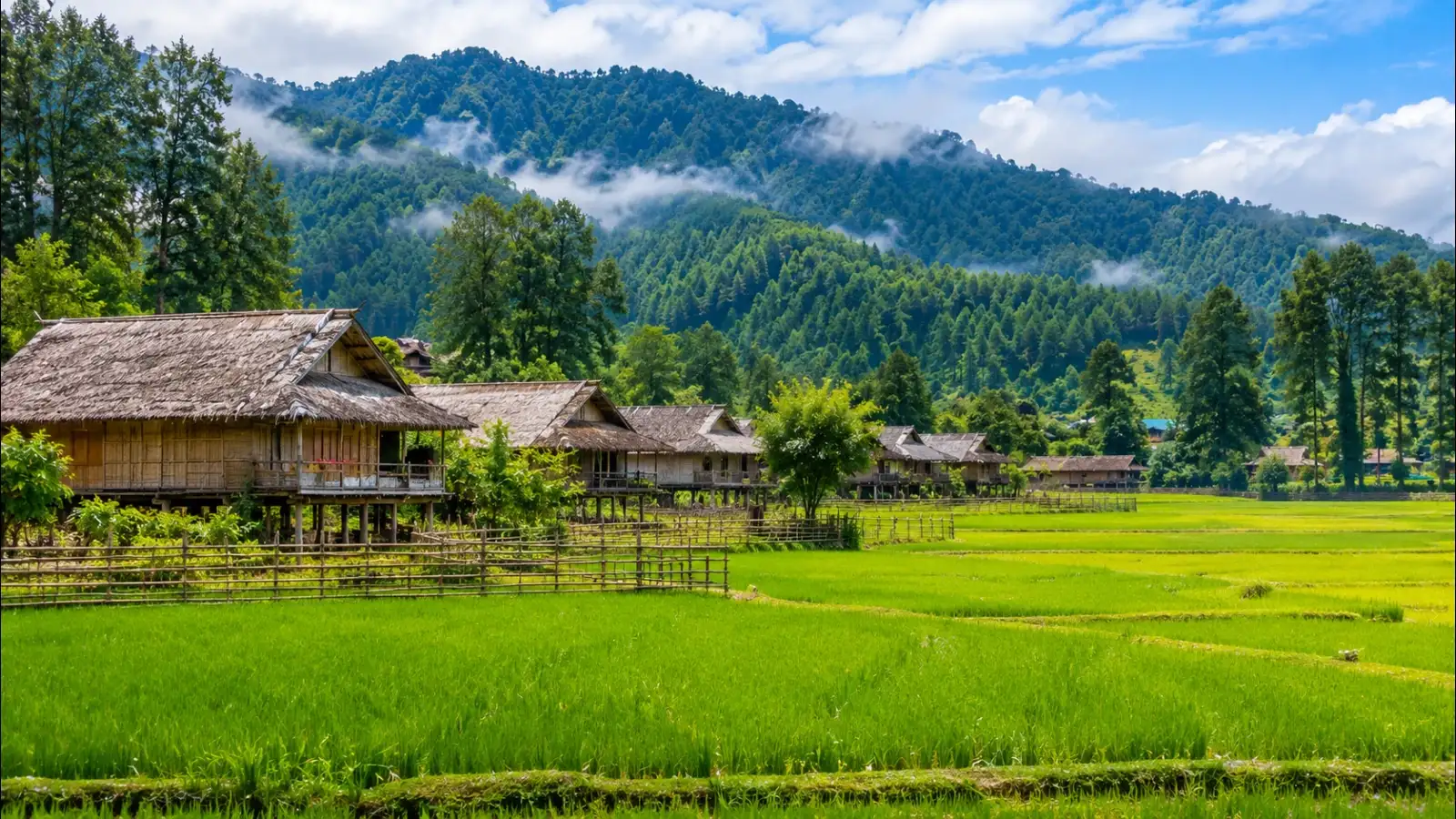
During the monsoon, the landscape becomes especially green, while clearer weather can offer beautiful views of the surrounding hills. The peaceful scenery makes it an appealing destination for nature lovers and photographers.
Visitors can learn about Apatani traditions through village walks, local interactions and cultural experiences. Their traditional architecture, festivals and community practices offer an interesting insight into the cultural diversity of Arunachal Pradesh.
Traditional Apatani houses are generally built using locally available materials such as bamboo and timber. Many feature raised structures and distinctive layouts suited to local conditions.
Walking through these settlements allows visitors to observe traditional homes, village pathways and community spaces.
This agricultural practice makes productive use of water and land while supporting local food systems. The Apatani landscape has also received international recognition as an agricultural heritage system for its traditional knowledge and sustainable practices.
Usually organised in September, the festival is known for its outdoor setting, surrounded by hills and greenery. It has helped introduce Ziro to a wider audience, although travellers should check the official schedule before planning their visit.
Visitors can enjoy short walks, photography and nature observation. The surrounding landscape is also suitable for travellers who prefer peaceful outdoor experiences rather than crowded tourist attractions.
Vegetarian travellers can ask local hosts and restaurants about vegetable-based dishes and ingredients. Exploring regional food is a useful way to understand how local agriculture and traditional cooking are connected.
Autumn is particularly attractive for travellers who want to experience clearer views and the festive atmosphere surrounding the Ziro Music Festival. Winter offers a quieter experience, although temperatures can become quite cold.
Birdwatchers and nature enthusiasts can explore suitable forest areas with local guidance. Visitors should respect wildlife habitats and avoid disturbing animals or birds.
It is particularly suitable for travellers interested in cultural experiences, photography, nature and quieter holidays.
The monsoon months bring heavy rainfall, which can affect road conditions and travel plans. Winter can be cold, so visitors should carry appropriate clothing.
Indian and foreign visitors should check the latest entry permit requirements before travelling. Arunachal Pradesh has specific permit rules for visitors, including Inner Line Permit requirements for Indian citizens from outside the state.
Ziro Valley stands out because it brings together natural beauty, traditional agricultural knowledge and the distinctive heritage of the Apatani community. Its green fields, peaceful villages, pine forests and cultural festivals offer an experience that goes beyond conventional sightseeing. For travellers looking to explore a less commercialised destination in Northeast India, Ziro is a place where the landscape and local way of life are equally fascinating.
1. Beautiful Landscapes Surrounded by Green Hills
Ziro Valley is known for its open landscapes, rolling hills and lush greenery. The surrounding mountains create a picturesque setting, while the changing seasons give the valley different appearances throughout the year.During the monsoon, the landscape becomes especially green, while clearer weather can offer beautiful views of the surrounding hills. The peaceful scenery makes it an appealing destination for nature lovers and photographers.
2. Home to the Unique Apatani Culture
One of the biggest reasons Ziro stands out is its connection with the Apatani community. The community has a distinctive cultural identity, traditional customs and a long history of living in the valley.Visitors can learn about Apatani traditions through village walks, local interactions and cultural experiences. Their traditional architecture, festivals and community practices offer an interesting insight into the cultural diversity of Arunachal Pradesh.
3. Traditional Villages With Distinctive Architecture
Villages such as Hong, Bamin Michi, Hari and Hija offer opportunities to understand everyday life in the valley.Traditional Apatani houses are generally built using locally available materials such as bamboo and timber. Many feature raised structures and distinctive layouts suited to local conditions.
Walking through these settlements allows visitors to observe traditional homes, village pathways and community spaces.
4. The Fascinating Rice-Fish Farming System
Ziro Valley is particularly known for the Apatani community's traditional wet-rice cultivation system. One interesting feature is the integration of fish farming into some rice fields.This agricultural practice makes productive use of water and land while supporting local food systems. The Apatani landscape has also received international recognition as an agricultural heritage system for its traditional knowledge and sustainable practices.
5. Ziro Music Festival Attracts Music Lovers
The Ziro Music Festival is one of the valley's most recognisable cultural events. It brings together independent musicians, performers and visitors from different parts of India and abroad.Usually organised in September, the festival is known for its outdoor setting, surrounded by hills and greenery. It has helped introduce Ziro to a wider audience, although travellers should check the official schedule before planning their visit.
6. Pine Forests and Scenic Walking Routes
The valley has several beautiful areas for walking and enjoying nature. Pine forests, open grasslands and quiet village roads create opportunities for relaxed exploration.Visitors can enjoy short walks, photography and nature observation. The surrounding landscape is also suitable for travellers who prefer peaceful outdoor experiences rather than crowded tourist attractions.
7. A Rich Variety of Local Food
Ziro offers an opportunity to explore the food traditions of Arunachal Pradesh. Local meals often include rice, seasonal vegetables, leafy greens, bamboo shoots and traditional preparations.Vegetarian travellers can ask local hosts and restaurants about vegetable-based dishes and ingredients. Exploring regional food is a useful way to understand how local agriculture and traditional cooking are connected.
8. A Different Experience During Every Season
Ziro changes considerably throughout the year. Spring brings fresh greenery and pleasant conditions, while the monsoon transforms the valley into a lush landscape.Autumn is particularly attractive for travellers who want to experience clearer views and the festive atmosphere surrounding the Ziro Music Festival. Winter offers a quieter experience, although temperatures can become quite cold.
9. A Destination for Birdwatching and Nature Lovers
The forests and surrounding landscapes of Ziro support a variety of birdlife and other wildlife. The wider region of Arunachal Pradesh is known for its rich biodiversity.Birdwatchers and nature enthusiasts can explore suitable forest areas with local guidance. Visitors should respect wildlife habitats and avoid disturbing animals or birds.
10. A Peaceful Alternative to Crowded Hill Stations
Ziro offers a different atmosphere from popular destinations such as Shimla, Manali and Mussoorie. Instead of busy shopping streets and commercial attractions, visitors find traditional villages, agricultural landscapes and a slower pace of life.It is particularly suitable for travellers interested in cultural experiences, photography, nature and quieter holidays.
Best Time to Visit Ziro Valley
March to May is generally suitable for pleasant weather and outdoor exploration. September is popular because of the Ziro Music Festival, while October offers attractive post-monsoon landscapes and comparatively clearer skies.The monsoon months bring heavy rainfall, which can affect road conditions and travel plans. Winter can be cold, so visitors should carry appropriate clothing.
How to Reach Ziro Valley
Ziro is connected by road with Itanagar and other parts of Arunachal Pradesh. Naharlagun is an important railway station for travellers approaching the region, while Lilabari Airport in Assam is one of the nearby air travel options. Road journeys can take several hours, depending on the starting point and weather conditions.Indian and foreign visitors should check the latest entry permit requirements before travelling. Arunachal Pradesh has specific permit rules for visitors, including Inner Line Permit requirements for Indian citizens from outside the state.
Ziro Valley stands out because it brings together natural beauty, traditional agricultural knowledge and the distinctive heritage of the Apatani community. Its green fields, peaceful villages, pine forests and cultural festivals offer an experience that goes beyond conventional sightseeing. For travellers looking to explore a less commercialised destination in Northeast India, Ziro is a place where the landscape and local way of life are equally fascinating.
Next Story