
Wild Fruits Across India and Their Benefits: 10 Rare Indian Fruits Packed With Powerful Health Benefits

India’s forests and remote landscapes are home to a wide variety of wild fruits across India and their benefits , many of which remain unknown to mainstream diets. From the Himalayan mountains to the dense Western Ghats, these naturally growing fruits are packed with nutrients, antioxidants, and healing properties. Traditionally used by local communities for generations, these fruits not only add unique flavours to meals but also offer remarkable health advantages.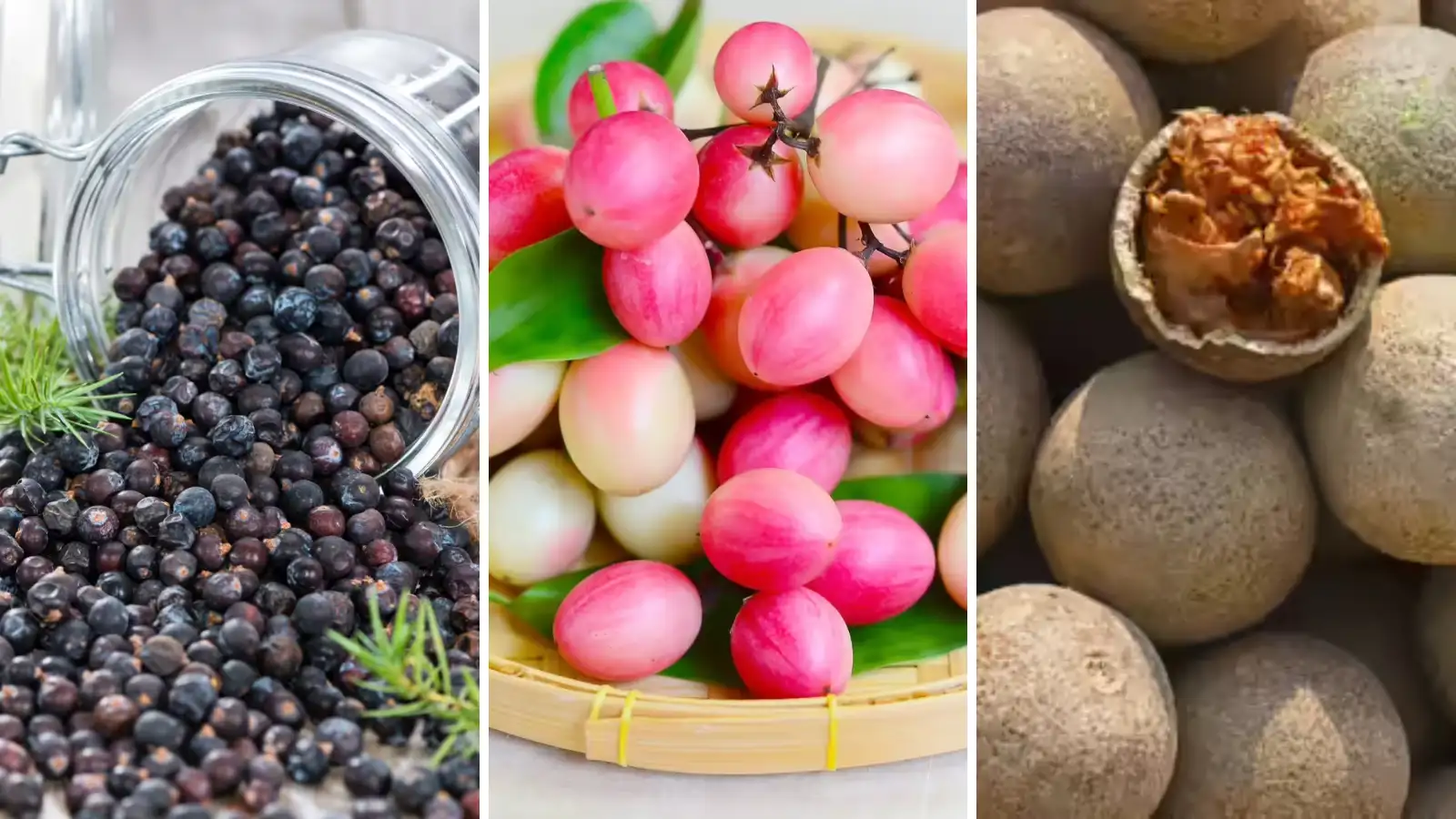
Here are 10 powerful wild fruits found across India and their surprising health benefits.
Burans (Rhododendron): Himalayan Flower With Powerful Antioxidants
Burans, commonly found in the Himalayan region, is known for its vibrant red blossoms that are often turned into refreshing juices.
This striking mountain flower is widely valued for its medicinal and skin-protective properties.
Karonda (Carissa Carandas): The Iron-Rich Berry for Stronger Immunity
Karonda is a small berry commonly consumed in tribal and rural communities across India.
Its tangy flavour also makes it a popular ingredient in pickles and chutneys.
Phalsa (Indian Sherbet Berry): A Natural Cooling Fruit
Phalsa grows on shrubs and produces small purple berries known for their refreshing taste.
This fruit is especially popular in summer drinks due to its hydrating qualities.
Jungli Jalebi (Kodukkapuli): A Protein-Packed Wild Fruit
Recognisable for its spiral pod shape resembling the famous sweet jalebi, this wild fruit offers several digestive benefits.
Its sweet-tangy taste makes it a favourite among children in rural regions.
Mahua (Madhuca Longifolia): The ‘Tree of Life’ in Central India
Mahua is an important tree in many parts of Central India and is deeply connected to tribal traditions.
Apart from its fruits and flowers, almost every part of the tree is used in traditional remedies.
Wood Apple (Kaitha): The Digestive Powerhouse
Wood apple is known for its hard outer shell and aromatic pulp packed with nutrients.
Its pulp is often used in refreshing beverages and chutneys.
Sea Buckthorn (Leh Berry): A Rare Himalayan Superfood
Growing in the cold desert regions of Ladakh, sea buckthorn is considered one of the most nutritious wild berries.
Due to its exceptional nutritional value, it is increasingly gaining global recognition.
Berberis (Kilmora): The Metabolism-Boosting Berry
Kilmora, commonly found in the Himalayan region, produces small tart berries with powerful medicinal compounds.
These berries are widely used in traditional herbal preparations.
Star Gooseberry (Harfarauri): The Antioxidant-Rich Fruit
Star gooseberry grows in many backyard gardens and wild thickets across India.
Loaded with vitamin C and antioxidants
Helps purify the blood naturally
Strengthens liver function
Supports better eyesight and overall eye health
Its tangy flavour makes it a popular ingredient in traditional home remedies.
Lasora (Indian Cherry): The Natural Remedy for Throat and Joint Health
Lasora is commonly found in dry and arid regions of India and is known for its sticky pulp.
The fruit is often used in pickles and traditional herbal preparations.
The diverse landscapes of India nurture a remarkable range of wild fruits across India and their benefits, many of which remain underappreciated in modern diets. These fruits are rich in vitamins, antioxidants, and medicinal compounds that support digestion, immunity, heart health, and skin wellness. Exploring these natural treasures not only adds unique flavours to your diet but also reconnects us with the country’s rich biodiversity and traditional wisdom.
Here are 10 powerful wild fruits found across India and their surprising health benefits.
Burans (Rhododendron): Himalayan Flower With Powerful Antioxidants
Burans, commonly found in the Himalayan region, is known for its vibrant red blossoms that are often turned into refreshing juices.
- Rich in phytochemicals that help reduce inflammation
- Supports heart health and improves circulation
- Contains unique antioxidants that slow down skin ageing
- Helps protect skin cells from UV-related damage
This striking mountain flower is widely valued for its medicinal and skin-protective properties.
Karonda (Carissa Carandas): The Iron-Rich Berry for Stronger Immunity
Karonda is a small berry commonly consumed in tribal and rural communities across India.
- High in vitamin C, boosting immunity
- Rich in iron, making it beneficial for people suffering from anaemia
- Contains pectin, which supports digestion
- Promotes better gut health and intestinal function
Its tangy flavour also makes it a popular ingredient in pickles and chutneys.
Phalsa (Indian Sherbet Berry): A Natural Cooling Fruit
Phalsa grows on shrubs and produces small purple berries known for their refreshing taste.
- Helps cool the body during hot weather
- Low glycaemic index, making it suitable for blood sugar control
- Supports respiratory health
- Traditionally used to relieve fever and throat irritation
This fruit is especially popular in summer drinks due to its hydrating qualities.
Jungli Jalebi (Kodukkapuli): A Protein-Packed Wild Fruit
Recognisable for its spiral pod shape resembling the famous sweet jalebi, this wild fruit offers several digestive benefits.
- High in protein and dietary fibre
- Helps soothe intestinal ulcers
- Possesses antimicrobial properties
- Supports healthy digestion by preventing harmful bacteria growth
Its sweet-tangy taste makes it a favourite among children in rural regions.
Mahua (Madhuca Longifolia): The ‘Tree of Life’ in Central India
Mahua is an important tree in many parts of Central India and is deeply connected to tribal traditions.
- Rich in calcium and natural energy
- Supports immune health
- Helps improve lactation in nursing mothers
- Provides nutritional support during times of food scarcity
Apart from its fruits and flowers, almost every part of the tree is used in traditional remedies.
Wood Apple (Kaitha): The Digestive Powerhouse
Wood apple is known for its hard outer shell and aromatic pulp packed with nutrients.
- Helps detoxify the body and support kidney health
- Contains oxalic and malic acids that aid metabolism
- High tannin content helps treat chronic digestive issues
- Traditionally used for relief from dysentery and stomach problems
Its pulp is often used in refreshing beverages and chutneys.
Sea Buckthorn (Leh Berry): A Rare Himalayan Superfood
Growing in the cold desert regions of Ladakh, sea buckthorn is considered one of the most nutritious wild berries.
- One of the rare plant sources of Omega-7 fatty acids
- Promotes skin regeneration and healing
- Supports cardiovascular endurance
- Used traditionally to improve resilience in extreme climates
Due to its exceptional nutritional value, it is increasingly gaining global recognition.
Berberis (Kilmora): The Metabolism-Boosting Berry
Kilmora, commonly found in the Himalayan region, produces small tart berries with powerful medicinal compounds.
- Rich in berberine, known for regulating metabolism
- Helps reduce harmful LDL cholesterol
- Improves insulin sensitivity
- Supports prevention of type 2 diabetes
These berries are widely used in traditional herbal preparations.
Star Gooseberry (Harfarauri): The Antioxidant-Rich Fruit
Star gooseberry grows in many backyard gardens and wild thickets across India.
Loaded with vitamin C and antioxidants
Helps purify the blood naturally
Strengthens liver function
Supports better eyesight and overall eye health
Its tangy flavour makes it a popular ingredient in traditional home remedies.
Lasora (Indian Cherry): The Natural Remedy for Throat and Joint Health
Lasora is commonly found in dry and arid regions of India and is known for its sticky pulp.
- Acts as a natural demulcent, soothing dry coughs
- Helps coat and protect the throat
- Reduces joint pain and internal inflammation
- Supports overall digestive comfort
The fruit is often used in pickles and traditional herbal preparations.
The diverse landscapes of India nurture a remarkable range of wild fruits across India and their benefits, many of which remain underappreciated in modern diets. These fruits are rich in vitamins, antioxidants, and medicinal compounds that support digestion, immunity, heart health, and skin wellness. Exploring these natural treasures not only adds unique flavours to your diet but also reconnects us with the country’s rich biodiversity and traditional wisdom.
Next Story